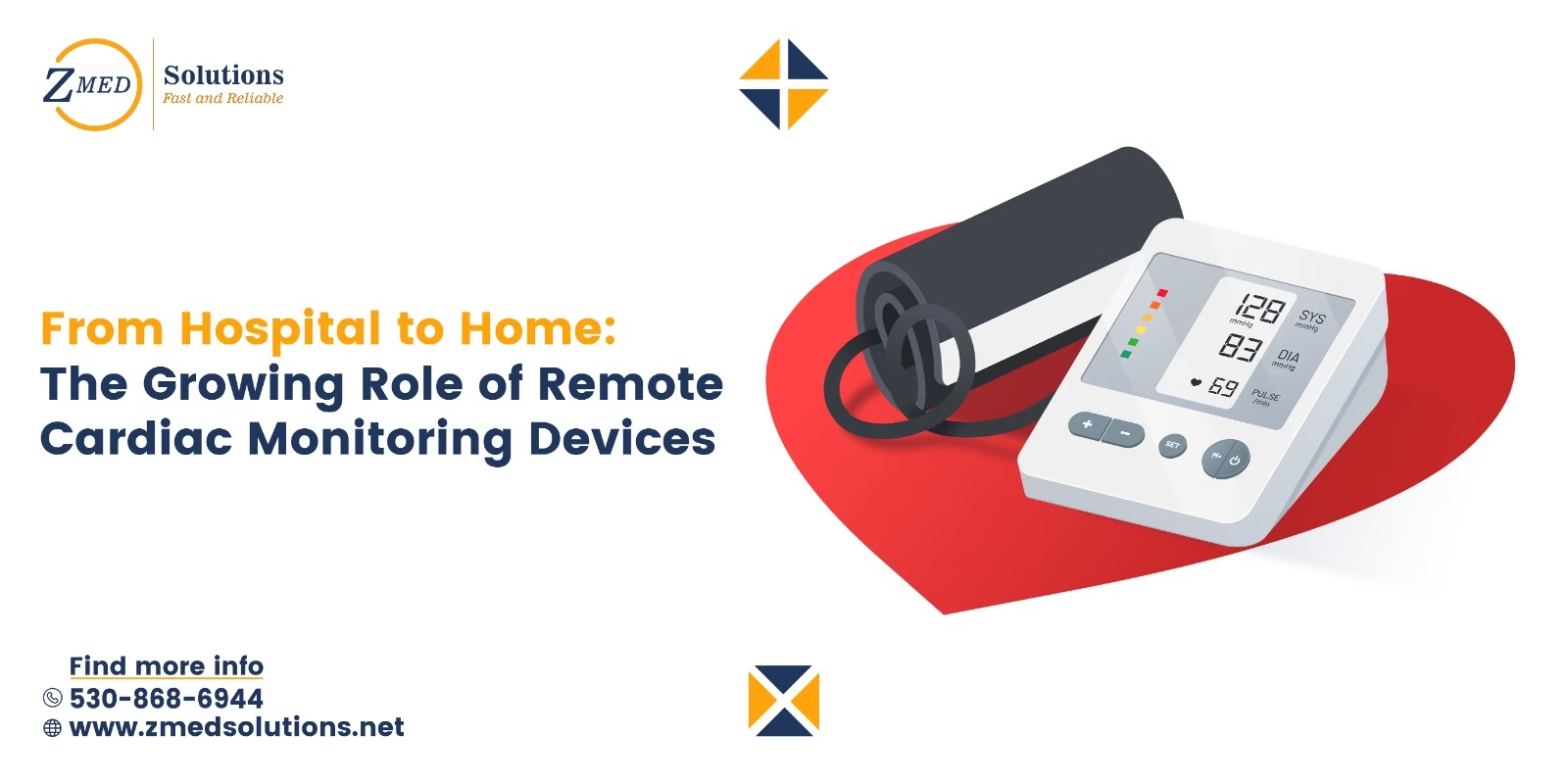
In today’s rapidly advancing world of healthcare technology, remote cardiac monitoring devices have emerged as a crucial tool in the management of cardiovascular diseases. These innovative devices enable continuous tracking of cardiac activity outside of traditional clinical settings, providing valuable insights into patients’ heart health and facilitating timely intervention when needed. This article explores the intricacies of remote cardiac monitoring, from its evolution and types to its applications, benefits, and challenges.
Introduction to Remote Cardiac Monitoring Devices
Remote cardiac monitoring devices represent a paradigm shift in the way cardiovascular conditions are managed. Unlike conventional methods that rely on periodic visits to healthcare facilities, these devices offer continuous monitoring of heart rhythm and other vital parameters, enhancing the ability to detect and manage cardiac arrhythmias, ischemic events, and other abnormalities in real time.
Evolution of Cardiac Monitoring
The history of cardiac monitoring dates back several decades, with early devices such as Holter monitors paving the way for more sophisticated technologies. Over time, advancements in sensor technology, data processing, and wireless communication have transformed cardiac monitoring from a static, hospital-based practice to a dynamic, remote-enabled service.
Types of Remote Cardiac Monitoring Devices
Remote cardiac monitoring encompasses a range of devices designed to cater to diverse patient needs and clinical scenarios. These include:
Holter Monitors: Portable devices worn by patients to record continuous electrocardiographic data over a period of 24 to 48 hours, providing insights into cardiac rhythm and identifying transient arrhythmias.
Implantable Loop Recorders (ILRs): Subcutaneous devices implanted beneath the skin to monitor heart rhythm for extended durations, offering long-term surveillance of arrhythmias in patients with infrequent symptoms.
Wearable Cardiac Monitors: Compact devices worn on the body, typically as patches or wristbands, capable of continuously monitoring heart rate, rhythm, and other physiological parameters, with data transmitted wirelessly to healthcare providers.
Mobile Cardiac Telemetry (MCT) Devices: Portable monitoring systems that combine the features of traditional Holter monitors with real-time data transmission capabilities, enabling immediate detection of arrhythmias and timely intervention.
How Remote Monitoring Works?
Remote cardiac monitoring devices employ various technologies to capture and transmit physiological data from patients to healthcare providers. These include:
Sensor Technology and Data Transmission: Advanced sensors embedded within the devices capture physiological signals such as electrocardiograms (ECGs), which are then processed and transmitted wirelessly to secure servers for analysis.
Integration with Mobile Apps and Platforms: Many remote monitoring devices come with accompanying mobile applications or web-based platforms that allow patients to view their data in real time, set alerts for abnormal events, and share information with their healthcare team.
Real-Time Monitoring vs. Scheduled Data Transmission: While some devices offer real-time monitoring capabilities, allowing healthcare providers to receive instant alerts for critical events, others rely on scheduled data transmission at regular intervals, providing periodic updates on the patient’s cardiac status.
Benefits of Remote Cardiac Monitoring
The adoption of remote cardiac monitoring has ushered in a host of benefits for patients, clinicians, and healthcare systems alike. These include:
Early Detection of Cardiac Arrhythmias: By continuously monitoring heart rhythm, remote devices can detect arrhythmias such as atrial fibrillation (AF) and ventricular tachycardia (VT) at their onset, enabling prompt intervention and preventing adverse outcomes.
Continuous Monitoring for High-Risk Patients: Patients at high risk of cardiac events, such as those with a history of arrhythmias or recent cardiac procedures, can benefit from round-the-clock surveillance provided by remote monitoring devices, ensuring timely detection of abnormalities.
Improved Patient Compliance and Convenience: Unlike traditional monitoring methods that may require frequent visits to healthcare facilities, remote cardiac monitoring allows patients to carry on with their daily activities while their cardiac data is captured discreetly in the background, promoting better compliance and adherence to monitoring protocols.
Applications in Clinical Practice
Remote cardiac monitoring has found widespread use across various clinical scenarios, including:
Management of Atrial Fibrillation: AF is a common arrhythmia associated with an increased risk of stroke and other cardiovascular complications. Remote monitoring enables the timely detection of AF episodes, guiding treatment decisions and reducing the risk of thromboembolic events.
Postoperative Monitoring: Patients undergoing cardiac procedures such as pacemaker implantation or ablation therapy require close monitoring in the postoperative period to detect complications such as bleeding, infection, or arrhythmias. Remote monitoring allows for continuous surveillance, facilitating early intervention if complications arise.
Heart Failure Management: Remote monitoring plays a vital role in the management of heart failure by tracking changes in fluid status, heart rate variability, and other parameters indicative of worsening cardiac function. Early detection of deterioration enables timely adjustments to medication regimens and interventions to prevent hospitalizations.
Risk Assessment in Cardiac Patients:
Remote monitoring also serves as a valuable tool for risk assessment in cardiac patients:
Risk Stratification: By providing continuous data on heart rhythm, activity levels, and physiological parameters, remote monitoring aids in risk stratification, allowing healthcare providers to identify patients at high risk of adverse cardiac events and tailor their management accordingly.
Personalized Care Plans: Armed with real-time data collected through remote monitoring, clinicians can develop personalized care plans for patients based on their unique cardiac profile and risk factors. This tailored approach improves patient outcomes and enhances the efficiency of healthcare delivery.
Challenges and Limitations
While remote cardiac monitoring offers numerous advantages, it is not without its challenges and limitations:
Connectivity Issues and Data Reliability: Reliable connectivity is essential for seamless data transmission between remote monitoring devices and healthcare providers. However, factors such as poor network coverage, signal interference, and device malfunction can compromise data reliability and accuracy.
Patient Acceptance and Adherence: Some patients may be hesitant to adopt remote monitoring due to concerns about privacy, data security, or the perceived inconvenience of wearing monitoring devices. Ensuring patient education and engagement is crucial for overcoming these barriers and promoting acceptance of remote monitoring solutions.
Regulatory Concerns and Privacy Issues: The use of remote monitoring devices raises important regulatory and privacy considerations, particularly concerning data protection and patient confidentiality. Healthcare providers must adhere to applicable regulations and implement robust security measures to safeguard patient information.
Future Trends and Innovations
Despite these challenges, the future of remote cardiac monitoring looks promising, with ongoing advancements and innovations driving progress in the field:
Artificial Intelligence in Data Analysis: The integration of artificial intelligence (AI) and machine learning algorithms holds the potential to enhance the accuracy and efficiency of data analysis in remote monitoring, enabling automated detection of cardiac abnormalities and actionable insights for clinicians.
Integration with Electronic Health Records (EHRs): Seamless integration of remote monitoring data with electronic health records (EHRs) streamlines clinical workflows and enhances care coordination by providing a comprehensive view of the patient’s cardiac status within the broader healthcare ecosystem.
Advancements in Wearable Sensor Technology: Continued developments in wearable sensor technology, including miniaturization, improved battery life, and enhanced sensor accuracy, will drive the evolution of remote monitoring devices, making them more comfortable, discreet, and user-friendly for patients.
Case Studies and Success Stories
Several real-life case studies and success stories demonstrate the clinical impact and value of remote cardiac monitoring:
Case Study 1: Remote Monitoring in Heart Failure Management: A study published in a leading cardiology journal demonstrated that remote monitoring of heart failure patients led to a significant reduction in hospital readmissions and mortality rates compared to standard care, highlighting the potential of remote monitoring to improve outcomes in high-risk patient populations.
Case Study 2: Early Detection of Atrial Fibrillation: In a multicenter clinical trial, researchers evaluated the efficacy of a wearable cardiac monitor for detecting atrial fibrillation in patients with cryptogenic stroke. The study found that continuous monitoring with the device increased the detection rate of AF by more than 30%, underscoring the importance of remote monitoring in identifying silent arrhythmias and preventing recurrent strokes.
Cost-Effectiveness and Healthcare Economics
One of the key advantages of remote cardiac monitoring is its potential to deliver cost-effective care and generate savings for healthcare systems:
Comparative Analysis with Traditional Monitoring Methods: Studies have shown that remote monitoring is associated with lower healthcare utilization and costs compared to traditional monitoring methods, such as in-person clinic visits or hospital admissions. By reducing the need for unnecessary interventions and preventing complications through early detection, remote monitoring helps optimize resource allocation and improve healthcare efficiency.
Potential for Reducing Hospital Readmissions: Hospital readmissions for cardiac-related complications impose a significant financial burden on healthcare systems. Remote monitoring offers a proactive approach to managing cardiac conditions, enabling timely intervention and reducing the likelihood of hospital readmissions, thereby saving costs and improving patient outcomes.
Patient Education and Empowerment
Empowering patients to actively participate in their own care is essential for maximizing the benefits of remote cardiac monitoring:
Importance of Patient Engagement: Educating patients about the purpose and benefits of remote monitoring, as well as providing training on how to use monitoring devices effectively, fosters greater engagement and adherence to monitoring protocols. Patients who feel empowered and informed are more likely to take ownership of their health and collaborate with their healthcare providers to achieve optimal outcomes.
Strategies for Promoting Self-Management: Healthcare providers can leverage digital health tools, such as mobile apps and patient portals, to facilitate communication and collaboration with patients outside of traditional clinic settings. These platforms enable patients to access their monitoring data, track their progress, and communicate with their care team remotely, promoting self-management and proactive healthcare behaviors.
Regulatory Landscape and Industry Players
The field of remote cardiac monitoring is subject to regulatory oversight by government agencies. Such as the Food and Drug Administration (FDA) in the United States:
FDA Approvals and Regulatory Guidelines: Remote monitoring devices must undergo rigorous testing and evaluation to obtain FDA approval. Ensuring their safety, efficacy, and compliance with regulatory standards. Healthcare providers should be aware of regulatory guidelines governing. The use of remote monitoring technology and adhere to best practices for implementing these devices in clinical practice.
Key Players in the Remote Cardiac Monitoring Market: The remote cardiac monitoring market is characterized by a diverse ecosystem. Of manufacturers, service providers, and technology developers:
Major Players: Established medical device companies such as Medtronic, Abbott Laboratories, and Philips Healthcare are leading players. In the remote cardiac monitoring market, offering a wide range of monitoring solutions and services. Tailored to the needs of healthcare providers and patients.
Emerging Innovators: In addition to established industry players, a growing number of startups and technology innovators are entering. The remote monitoring space, introducing novel solutions and disruptive technologies. Aimed at enhancing the accessibility, affordability, and effectiveness of remote cardiac monitoring.
Addressing Concerns and Misconceptions
To maximize the adoption and acceptance of remote cardiac monitoring, it is essential to address common concerns and misconceptions:
Debunking Myths About Remote Monitoring Devices: Some patients may harbor misconceptions about remote monitoring devices. Such as concerns about radiation exposure, device discomfort, or data security risks. Healthcare providers should proactively address these concerns and provide accurate information. To alleviate patient apprehensions and build trust in remote monitoring technology.
Educating Healthcare Professionals and Patients: Effective communication and education are key to fostering understanding and acceptance of remote monitoring. Among healthcare professionals and patients alike. Healthcare providers should invest in training programs. Informational resources, and patient education materials to ensure that both providers and patients. They are equipped with the knowledge and skills needed to leverage remote monitoring effectively.
Ethical Considerations in Remote Monitoring
The widespread adoption of remote cardiac monitoring raises important ethical considerations pertaining to patient privacy, autonomy, and informed consent:
Privacy Protection and Data Security: Healthcare providers have a responsibility to safeguard patient information and ensure the secure transmission and storage of monitoring data. This includes implementing robust encryption protocols, access controls, and data anonymization techniques to protect patient privacy and confidentiality.
Informed Consent and Patient Autonomy: Patients should be fully informed about the purpose, risks, and benefits of remote monitoring. Before consenting to participate in monitoring programs. Informed consent ensures that patients understand their rights and responsibilities. Regarding the use of monitoring devices and have the opportunity to make autonomous decisions about their healthcare.
Frequently Asked Questions
What are remote cardiac monitoring devices?
Remote cardiac monitoring devices are medical devices designed to continuously. Monitor the heart’s electrical activity and other physiological parameters outside of traditional clinical settings. These devices enable real-time surveillance of cardiac rhythm, allowing for early detection of arrhythmias, ischemic events, and other abnormalities.
How do remote cardiac monitoring devices work?
Remote monitoring devices typically consist of sensors that capture physiological signals such as electrocardiograms (ECGs), heart rate, and activity levels. These sensors are integrated into wearable devices or implanted beneath the skin and transmit data. Wirelessly to healthcare providers via mobile apps or secure servers. Healthcare professionals can then analyze the data in real time or at scheduled intervals. To assess the patient’s cardiac status and intervene if necessary.
What types of cardiac conditions can remote monitoring devices detect?
Remote monitoring devices are capable of detecting a wide range of cardiac conditions. Including atrial fibrillation (AF), ventricular tachycardia (VT), bradycardia, heart block, and ischemic events such as myocardial infarction (heart attack). These devices are particularly valuable for patients at high risk of arrhythmias or those with a history of cardiovascular disease.
Are remote cardiac monitoring devices safe?
Remote cardiac monitoring devices are generally considered safe when used as directed by healthcare professionals. Implantable devices such as loop recorders undergo rigorous testing and regulatory scrutiny to ensure their safety and efficacy. Patients should follow their healthcare provider’s recommendations regarding device usage and maintenance to minimize the risk of complications.
How often should remote cardiac monitoring devices be worn or used?
The frequency of remote monitoring depends on the patient’s clinical condition and the healthcare provider’s recommendations. Some devices, such as Holter monitors and wearable patches, are worn for a specific duration, typically 24 to 48 hours. To capture transient arrhythmias. Implantable devices like loop recorders may remain in place for months or even years to provide long-term surveillance of cardiac rhythm.
Can remote cardiac monitoring devices replace traditional in-person visits to the doctor?
While remote cardiac monitoring devices offer valuable insights into the patient’s cardiac health. Between clinic visits, they are not intended to replace in-person consultations with healthcare providers. Regular check-ups and follow-up appointments are essential for comprehensive cardiac care. Allowing clinicians to assess the patient’s overall health, adjust treatment plans, and address any concerns or questions.
Do remote cardiac monitoring devices require a prescription?
In most cases, remote cardiac monitoring devices require a prescription from a healthcare provider. The decision to prescribe remote monitoring is based on the patient’s clinical condition. Medical history, and the healthcare provider’s assessment of the need for continuous cardiac surveillance. Patients should consult their healthcare provider to determine if remote monitoring is appropriate for their individual circumstances.
How can patients access remote cardiac monitoring devices?
Patients can access remote cardiac monitoring devices through their healthcare provider or cardiac specialist. Once prescribed, the patient may receive the monitoring device from a medical equipment supplier or directly from the healthcare facility. Healthcare professionals will provide instructions on how to use the device, interpret the data, and communicate with the care team.
What should patients do if they experience symptoms while using a remote monitoring device?
If patients experience symptoms such as dizziness, chest pain, palpitations, or fainting. While using a remote monitoring device, they should follow the instructions provided by their healthcare provider. This may include contacting the care team immediately, seeking emergency medical assistance, or adjusting the device settings as instructed. It’s essential for patients to communicate any concerns or changes in symptoms to their healthcare provider promptly.
Are remote cardiac monitoring devices covered by insurance?
Coverage for remote cardiac monitoring devices may vary depending on the patient’s insurance plan, healthcare provider, and specific circumstances. Some insurance plans may cover all or part of the cost of remote monitoring. As a medically necessary service for the management of certain cardiac conditions. Patients should check with their insurance provider to determine their coverage eligibility and any out-of-pocket expenses associated with remote monitoring.
Final Thoughts
Remote cardiac monitoring devices represent a transformative advancement in the field of cardiology. Offering a comprehensive solution for the continuous surveillance and management of cardiovascular conditions. From the early detection of arrhythmias to personalized risk. Assessment and patient empowerment, these devices play a pivotal role in improving patient outcomes and optimizing healthcare delivery.
As the technology continues to evolve and mature, healthcare providers must remain vigilant in addressing. The challenges and ethical considerations associated with remote monitoring. By prioritizing patient education, ensuring data security, and adhering to regulatory guidelines. Clinicians can maximize the benefits of remote cardiac monitoring while mitigating potential risks.
In conclusion, remote cardiac monitoring devices represent a paradigm shift in cardiovascular care. Empowering patients to take control of their health and enabling clinicians to deliver proactive, personalized care. With ongoing innovation and collaboration across the healthcare ecosystem. Remote monitoring has the potential to revolutionize the management of cardiac conditions and enhance the quality of life for patients worldwide.
Key Market Player
Ready to optimize your medical billing and boost your revenue? Look no further. Zmed Solutions LLC is your trusted partner in professional Medical Billing Services.
Join hundreds of satisfied healthcare providers who have already elevated their revenue with our expert services. Don't miss out on what could be your practice's most profitable decision.
Schedule a Consultation Today!
Contact Us Now, and experience the difference. Your financial success starts here!