Introduction
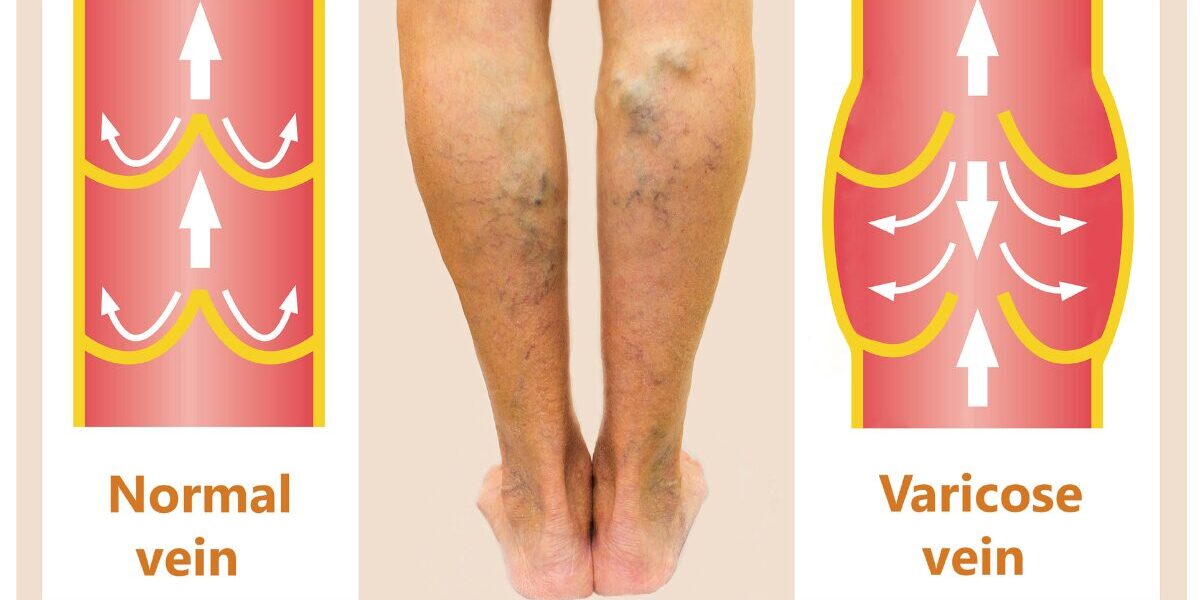
Varicose Vein Treatment-Varicose veins are a common venous disorder that affects millions of people worldwide. They are characterized by enlarged, swollen, and twisted veins, usually appearing blue or dark purple. While varicose veins can occur anywhere in the body, they most commonly develop in the legs and feet due to the increased pressure in the lower limbs from standing and walking. This condition is more than just a cosmetic concern; it can cause discomfort, pain, and sometimes more serious health issues.
Understanding Varicose Veins
Anatomy and Physiology of Veins
Veins are blood vessels that carry deoxygenated blood back to the heart. They have one-way valves that prevent blood from flowing backward. In the legs, these veins have to work against gravity to return blood to the heart. When the veins become weakened or the valves fail, blood can pool in the veins, causing them to become enlarged and varicose.
Causes of Varicose Veins
Several factors contribute to the development of varicose veins:
- Age: Aging causes wear and tear on the veins, leading to weakened valves.
- Genetics: A family history of varicose veins increases the likelihood of developing the condition.
- Gender: Women are more prone to varicose veins, partly due to hormonal changes during pregnancy, menopause, and menstruation.
- Pregnancy: Increased blood volume during pregnancy and hormonal changes can enlarge veins.
- Obesity: Extra body weight increases pressure on veins.
- Prolonged Standing or Sitting: Occupations that require long periods of standing or sitting can lead to varicose veins.
Symptoms and Complications
Symptoms of varicose veins include:
- Aching, heavy, or uncomfortable legs
- Swollen feet and ankles
- Muscle cramping
- Throbbing or burning in the legs
- Itchy skin around the veins
- Skin discoloration
Complications, though rare, can include:
- Ulcers: Painful ulcers may form on the skin near varicose veins.
- Blood Clots: Varicose veins can lead to superficial thrombophlebitis, where a blood clot forms in a vein just under the skin.
- Bleeding: Varicose veins close to the skin may burst and cause bleeding.
Diagnosis of Varicose Veins
Diagnosing varicose veins typically involves:
- Physical Examination: A healthcare provider examines the legs while the patient is standing to check for signs of swelling.
- Ultrasound: This non-invasive test uses sound waves to check blood flow in the veins and identify any clots or blockages.
Treatment Options
Treatment for varicose veins aims to relieve symptoms, improve appearance, and prevent complications. Various treatment options are available, ranging from lifestyle changes to medical and surgical interventions.
Lifestyle Changes and Home Remedies
For mild varicose veins, lifestyle changes and home remedies can be effective in managing symptoms and preventing the condition from worsening.
Exercise
Regular exercise improves circulation and vein strength. Low-impact activities like walking, swimming, and cycling are particularly beneficial.
Weight Management
Maintaining a healthy weight reduces pressure on the veins, improving blood flow and reducing symptoms.
Elevating the Legs
Elevating the legs above heart level for several minutes multiple times a day can help reduce swelling and improve circulation.
Compression Stockings
Compression stockings are specially designed to apply gentle pressure to the legs, aiding vein function and reducing discomfort. They come in various strengths and are often recommended for those with mild to moderate varicose veins.
Medical Treatments
When lifestyle changes are insufficient, medical treatments may be necessary. These can range from minimally invasive procedures to more extensive surgical interventions.
Sclerotherapy
Sclerotherapy is a common treatment for both varicose veins and smaller spider veins. It involves injecting a solution directly into the vein, causing it to scar and close. Over time, the treatment of vein fades as blood is reroute to healthier veins. This procedure is usually perform in a doctor’s office and does not require anesthesia.
Procedure
- The patient lies down with their legs slightly elevated.
- The doctor cleans the skin and inserts a small needle into the vein.
- A sclerosing solution is injected into the vein, causing it to collapse and seal shut.
- The procedure may be repeated for additional veins.
Recovery
- Compression stockings may need to be worn for a few weeks after the procedure.
- Normal activities can be resumed immediately, but strenuous exercise should be avoided for a few days.
- Minor side effects include bruising, redness, and temporary discomfort.
Endovenous Laser Therapy (EVLT)
Endovenous Laser Therapy (EVLT) is a minimally invasive procedure that uses laser energy to seal off varicose veins.
Procedure
- The area to be treated is numbed with a local anesthetic.
- A thin laser fiber is inserted into the vein through a small incision.
- The laser heats the vein, causing it to collapse and seal shut.
- Blood is naturally rerouted to healthier veins.
Recovery
- Patients can typically return to normal activities immediately.
- Compression stockings are recommended for a week or more after the procedure.
- Side effects may include mild bruising and discomfort.
Radiofrequency Ablation (RFA)
Radiofrequency ablation (RFA) is another minimally invasive treatment that uses radiofrequency energy to heat and close off varicose veins.
Procedure
- The treatment area is numb with a local anesthetic.
- A catheter is insert into the vein through a small incision.
- Radiofrequency energy is delivered through the catheter, heating the vein walls and causing them to collapse.
- The vein is sealed shut, and blood is rerouted to healthier veins.
Recovery
- Most patients can resume normal activities immediately.
- Compression stockings are advised for a week or more after the procedure.
- Potential side effects include bruising, swelling, and mild discomfort.
Surgical Treatments
For severe varicose veins that do not respond to minimally invasive treatments, surgical interventions may be necessary.
Vein Stripping and Ligation
Vein stripping and ligation is a surgical procedure use to remove large varicose veins.
Procedure
- The patient is given general or spinal anesthesia.
- Two small incisions are made: one near the groin and the other lower down the leg.
- The affective vein is tied off (ligate) and remove (stripp) through the incisions.
- The procedure may involve the removal of additional vein branches.
Recovery
- Patients usually go home the same day but may need to rest for a few days.
- Compression stockings are recommend during recovery.
- Bruising, swelling, and discomfort are common post-operative symptoms.
Ambulatory Phlebectomy
Ambulatory phlebectomy is a procedure to remove smaller varicose veins through tiny skin punctures.
Procedure
- Local anesthesia is use to numb the treatment area.
- Small punctures are made along the vein, and the vein is remove in segments using a special hook.
- The punctures are so small that stitches are not need.
Recovery
- Patients can typically resume normal activities within a day or two.
- Compression stockings are worn for a few days after the procedure.
- Bruising and minor discomfort are common.
Emerging Treatments
Advancements in medical technology continue to provide new and improved treatments for varicose veins.
VenaSeal
VenaSeal is a non-thermal, non-sclerosant procedure that uses a medical adhesive to close varicose veins.
Procedure
- A small amount of adhesive is deliver into the vein through a catheter.
- The adhesive seals the vein, rerouting blood to healthier veins.
- The procedure is quick and requires minimal local anesthesia.
Recovery
- Patients can resume normal activities immediately.
- Compression stockings are generally not require.
- Minor side effects may include temporary pain and skin irritation.
ClariVein
ClariVein is a mechanochemical ablation (MOCA) technique that combines mechanical and chemical methods to treat varicose veins.
Procedure
- A rotating catheter tip is insert into the vein, causing mechanical damage to the vein wall.
- A sclerosant solution is simultaneously inject to seal the vein.
- The procedure is quick and minimally invasive.
Recovery
- Patients can resume normal activities immediately.
- Compression stockings are often recommend for a few days.
- Side effects may include mild bruising and discomfort.
Prevention of Varicose Veins
While not all varicose veins can be prevent, certain measures can reduce the risk or delay their development.
Exercise Regularly
Regular physical activity improves circulation and strengthens veins. Walking, swimming, and cycling are particularly beneficial.
Maintain a Healthy Weight
Keeping a healthy weight reduces pressure on the veins, improving blood flow and reducing the risk of varicose veins.
Elevate the Legs
Elevating the legs above heart level for several minutes multiple times a day can help reduce swelling and improve circulation.
Avoid Prolonged Standing or Sitting
Taking breaks to move around and change positions can prevent blood from pooling in the legs.
Wear Compression Stockings
For those at risk, compression stockings can help prevent varicose veins by improving blood flow in the legs.
Frequently Asked Questions (FAQs) about Varicose Vein Treatment
1. What are varicose veins?
Varicose veins are swollen, twisted veins that are visible just under the surface of the skin, usually in the legs. They occur when valves in the veins become weak or damaged, causing blood to pool and the veins to enlarge.
2. What are the symptoms of varicose veins?
Symptoms include visible veins, swelling, aching, heaviness in the legs, and sometimes itching or skin changes. In severe cases, ulcers can form near the varicose veins.
3. What causes varicose veins?
Varicose veins can be cause by a variety of factors, including genetics, age, pregnancy, obesity, prolong standing or sitting, and hormonal changes.
4. How can varicose veins be prevented?
Preventive measures include maintaining a healthy weight, regular exercise, elevating the legs, avoiding prolonged standing or sitting, and wearing compression stockings.
5. What are the treatment options for varicose veins?
Treatment options include:
- Lifestyle changes: Exercise, weight management, and leg elevation.
- Compression stockings: To improve blood flow and reduce symptoms.
- Sclerotherapy: Injection of a solution to close off small to medium-sized varicose veins.
- Laser treatments: Non-invasive procedures that use laser energy to close off veins.
- Radiofrequency ablation (RFA): Uses heat to close off larger varicose veins.
- Endovenous laser treatment (EVLT): Uses laser energy inside the vein to close it off.
- Surgery: In severe cases, veins may be surgically remove (vein stripping).
6. Is varicose vein treatment cover by insurance?
Coverage varies by insurance provider and the severity of the condition. Many insurance plans cover treatments if they are deem medically necessary, such as in cases of severe pain, ulcers, or significant lifestyle impact.
7. What is the recovery time after varicose vein treatment?
Recovery time varies by treatment. Minimally invasive procedures like sclerotherapy, laser treatments, and RFA typically have short recovery times, often allowing patients to return to normal activities within a few days. Surgical treatments may require a longer recovery period.
8. Are varicose vein treatments painful?
Minimally invasive treatments usually involve minimal discomfort. Local anesthesia is typically use, and any pain experience is generally mild and temporary. Surgical treatments may involve more discomfort and a longer recovery period.
9. Can varicose veins recur after treatment?
While treatment can effectively remove or close off varicose veins, new varicose veins can develop over time. Maintaining a healthy lifestyle and following preventive measures can help reduce the risk of recurrence.
10. Are there any risks or side effects associated with varicose vein treatments?
As with any medical procedure, there are risks and potential side effects. Common side effects include bruising, swelling, and skin discoloration. More serious but rare risks include blood clots, infection, and nerve injury. It is important to discuss potential risks with your healthcare provider before undergoing treatment.
11. Who is a good candidate for varicose vein treatment?
Good candidates for varicose vein treatment include individuals who are experiencing symptoms such as pain, swelling, or skin changes, and those who have visible varicose veins that affect their quality of life. A thorough evaluation by a healthcare provider can determine the most appropriate treatment.
12. How long does it take to see results after varicose vein treatment?
Results can vary depending on the type of treatment. For minimally invasive procedures, improvement can often be seen within a few weeks, though complete results may take a few months. Surgical treatments may show more immediate results but require a longer recovery period.
13. Is varicose vein treatment suitable for everyone?
Varicose vein treatment may not be suitable for everyone, particularly those with certain medical conditions, allergies to treatment materials, or poor overall health. A healthcare provider can evaluate individual cases and recommend appropriate treatment options.
14. How do I choose the best treatment for my varicose veins?
Choosing the best treatment involves consulting with a healthcare provider who specializes in vein disorders. They can assess the severity of your condition, discuss your symptoms, and recommend the most effective treatment options based on your specific needs and medical history.
15. Where can I get varicose vein treatment?
Varicose vein treatment is available at specialized vein clinics, dermatology clinics, and some hospitals. It is important to choose a reputable healthcare provider with experience in treating varicose veins.
Conclusion
Varicose veins are a common condition that can cause discomfort, pain, and more serious health issues if left untreated. Understanding the causes, symptoms, and available treatments is essential for managing this condition effectively. From lifestyle changes and home remedies to medical and surgical treatments, there are numerous options available to alleviate symptoms and improve quality of life. Advances in medical technology continue to provide new and improved treatments, offering hope for those affected by varicose veins. Preventative measures, such as regular exercise, maintaining a healthy weight, and wearing compression stockings, can also play a crucial role in reducing the risk of developing varicose veins. By taking proactive steps and seeking appropriate medical care, individuals can effectively manage varicose veins and maintain healthier, more comfortable lives.
Key Market Player
Ready to optimize your medical billing and boost your revenue? Look no further. Zmed Solutions LLC is your trusted partner in professional Medical Billing Services.
Join hundreds of satisfied healthcare providers who have already elevated their revenue with our expert services. Don't miss out on what could be your practice's most profitable decision.
Schedule a Consultation Today!
Contact Us Now, and experience the difference. Your financial success starts here!