Getting credentialed with insurance companies involves submitting comprehensive applications, verifying credentials, and meeting specific network requirements. The insurance credentialing process typically requires documentation of education, licensure, malpractice history, and professional references. Most insurance company credentialing takes 30-90 days, with costs ranging from $500 to $3,000 per insurer. Understanding insurance credentialing requirements and following systematic steps accelerates approval and expands patient access to your practice.
How to Get Credentialed With Insurance Companies-Getting credentialed with insurance companies represents a critical milestone for healthcare providers. Whether you’re launching a new practice or expanding your patient reach, understanding the insurance company credentialing process is essential. This comprehensive guide provides everything you need to navigate credentialing with insurance companies successfully. We’ll cover requirements, timelines, documentation, common challenges, and practical strategies to streamline your journey. Let’s explore how to become insurance-credentialed and grow your patient base efficiently.
Understanding Insurance Credentialing: What You Need to Know?
What Exactly Is Insurance Credentialing?
Insurance credentialing represents the formal verification process insurers use to confirm healthcare provider legitimacy. Insurance companies require proof of education, licensure, training, and professional standing. This credentialing process insurance companies implement protects patients while maintaining network quality standards. Medical provider credentialing involves submitting detailed applications showcasing your qualifications comprehensively. How to Get Credentialed With Insurance Companies-The goal extends beyond simple verification; insurers want assurance you meet their clinical standards and patient care expectations. Understanding this foundation helps you approach applications strategically and professionally throughout your career.
Why Is Getting Credentialed Important?
Becoming credentialed with insurance opens significant doors for your healthcare practice. Most patients carry insurance coverage, making network participation essential for revenue generation. Insurance credentialing requirements ensure you can bill patients’ insurance directly, reducing payment delays and administrative burden. Provider credentialing also builds patient trust and confidence in your services. Additionally, insurance panel credentialing expands your potential patient base exponentially. Practices without credentialing struggle with cash-only models, limiting growth potential substantially. Direct insurance relationships create sustainable revenue streams and professional credibility in competitive healthcare markets today.
Key Differences Across Healthcare Professions
Insurance credentialing for therapists follows similar frameworks as physicians but emphasizes mental health licensure. For doctors requires board certifications and malpractice insurance verification. Insurance credentialing for nurses may include specialized certifications and scope-of-practice documentation. Insurance credentialing for mental health professionals prioritizes training in specific therapeutic modalities. Understanding your profession’s specific requirements prevents application rejection and streamlines approval. Different insurance companies emphasize different credentials based on their network needs and patient populations served.
Optimizing revenue cycle performance is one of the most critical, complex and challenges facing healthcare practices today. Zmed Solutions delivers end-to-end medical billing solutions designed to reduce claim denials, accelerate reimbursements and strengthen your practice’s financial foundation. Learn more about who we are and explore our full range of specialized billing services.
Essential Requirements for Insurance Company Credentialing
Educational and Licensure Documentation
Insurance credentialing requirements start with educational verification. You must provide official transcripts from your degree-granting institution. State licensure documentation proves your legal authority to practice medicine or therapy. Professional boards require verification of active, unrestricted licenses without disciplinary actions. Medical provider credentialing demands copies of your license, diploma, and any specialized certifications. Many insurers request verification directly from state boards rather than accepting photocopies. Maintain organized digital copies of all credentials for quick submission. Keep licenses current and verified throughout your career to maintain network participation continuously.
Malpractice Insurance and History
Insurance companies scrutinize your malpractice history extensively. You’ll need current professional liability insurance documentation showing adequate coverage limits. Credentialing documentation requires complete disclosure of any claims, settlements, or judgments against you. Claims history doesn’t automatically disqualify you but demands transparency and explanation. Insurance companies want providers with clean records and manageable risk profiles. If you’ve faced malpractice issues, prepare detailed explanations addressing circumstances and lessons learned. Demonstrating accountability and improved practices increases approval likelihood significantly.
Continuing Education and Professional Development
Insurance credentialing requirements increasingly emphasize ongoing learning commitment. Documentation showing continuing medical education hours demonstrates professional dedication. Certifications in specialized areas strengthen applications considerably. Professional society memberships indicate engagement with peer communities and best practices. Insurance companies view continuing education as evidence of quality commitment. Maintain organized records of all professional development activities and certifications throughout your career.
References and Professional History
Most insurance credentialing requirements demand professional references from colleagues, supervisors, or hospital administrators. Insurance companies contact these references directly to verify your reputation and practice quality. Prepare references who can speak authentically about your clinical skills and patient care approach. Your professional history documentation should show continuous, verifiable employment or practice. Gaps in employment require explanation and documentation. Detailed practice summaries help insurers understand your specializations and patient populations served.
Step-by-Step Insurance Credentialing Process
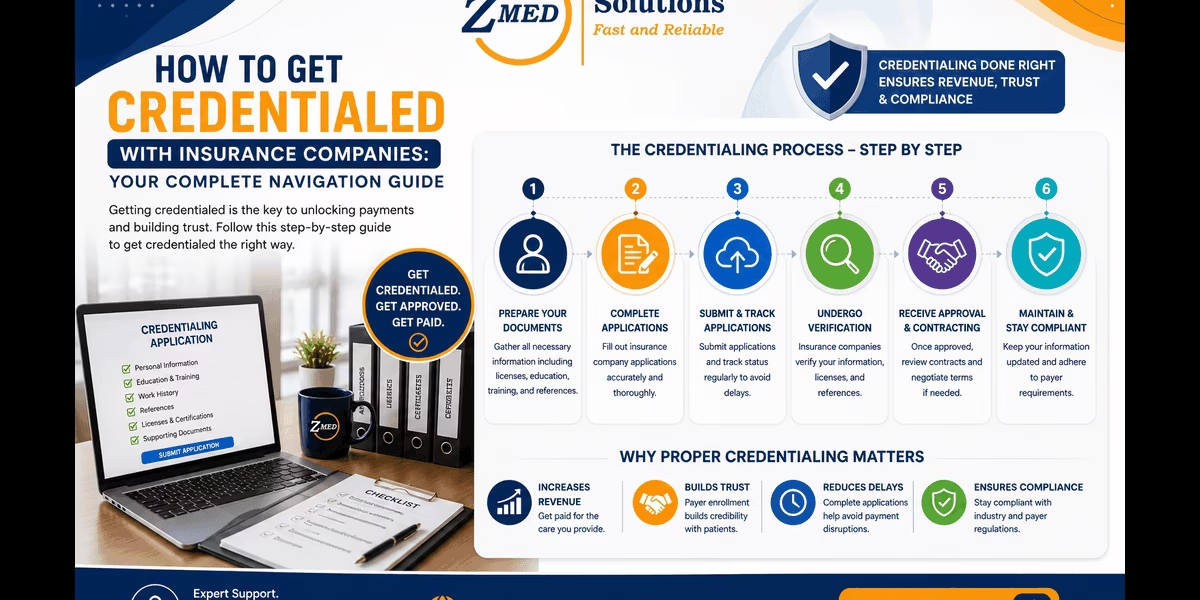
Step One – Prepare Your Documentation
Beginning the insurance credentialing process requires meticulous organization. Create a master folder containing all necessary documents before submitting applications. Include your state license, DEA registration (if applicable), medical school diploma, residency certification, and board certificates. Gather malpractice insurance documentation and professional liability coverage proof. Collect continuing education transcripts and professional certifications. Prepare current curriculum vitae detailing your complete professional history. Request official transcripts from educational institutions if you haven’t already. Having everything organized prevents delays and demonstrates professionalism to insurance reviewers.
Step Two – Research Insurance Companies and Networks
How to Get Credentialed With Insurance Companies-Not all insurance companies operate in your geographic area or specialty. Research which insurers dominate your local market and target those first. Identify their specific insurance company credentialing requirements and submission procedures. Some insurers have unique documentation requests beyond standard requirements. Visit their provider relations websites for detailed credentialing checklists and contact information. Prioritize major insurers first, then expand to regional and specialty networks. Understanding each insurer’s specific requirements prevents wasted effort and application rejections.
Step Three – Complete the Credentialing Application
How to Get Credentialed With Insurance Companies-Each insurer provides specific insurance credentialing application forms requiring detailed information. These applications demand complete professional history, education details, and licensing information. Accuracy is crucial; discrepancies trigger delays or rejections. Answer every question thoroughly and honestly. Provide detailed explanations for any gaps in employment or credential challenges. Include all requested documentation with proper organization and labeling. Submit applications electronically through provider portals when available. Keep copies of all submitted materials for your records and follow-up reference.
Step Four – Monitor Your Application Status
After submission, tracking your application prevents unnecessary delays. Contact the insurance company’s credentialing department regularly to verify receipt. Ask for expected timelines and required follow-up steps. Many insurance companies provide online portals displaying application status in real-time. Check these portals weekly for update requests or missing documentation notifications. Respond promptly to any information requests to maintain momentum. Some applications stall for weeks awaiting simple clarifications; proactive monitoring prevents this frustration.
Step Five – Address Verification and Gap Review
Insurance companies contact your medical school, residency, and licensing boards directly. This insurance verification of credentials process typically takes several weeks. They verify employment history with previous employers and practices. References are contacted and asked detailed questions about your clinical abilities and patient care quality. Your malpractice insurance carrier may receive inquiries about claims history. Ensure all parties have current contact information and understand they may receive inquiries. Respond promptly to any verification requests from insurance companies or third-party verifiers.
Step Six – Negotiate and Sign Your Provider Agreement
How to Get Credentialed With Insurance Companies-Once credentials verify successfully, insurers propose provider agreements detailing reimbursement rates and terms. Review these contracts carefully, understanding payment structures and contractual obligations. Don’t accept unfavorable terms without negotiation; many rates are negotiable. Discuss reimbursement schedules, appeal processes, and termination clauses. Seek legal counsel if contracts contain unclear or concerning language. Sign only when terms align with your practice goals and financial projections. Maintain copies of signed agreements for your records and compliance purposes.
Documentation Checklist: Insurance Credentialing Requirements
Primary Documentation Requirements
Understanding your credentialing documents needed prevents application delays. Here’s a comprehensive checklist:
Educational Documentation:
- Official medical degree or nursing diploma
- Official transcripts from degree-granting institutions
- Residency training verification (if applicable)
- Fellowship certificates (if applicable)
- Proof of board certification or eligibility
Licensure Documentation:
- Current state license (front and back)
- DEA registration certificate
- State pharmacy license (if applicable)
- Specialty certifications and licenses
- Professional society memberships
Liability and Risk Management:
- Professional liability insurance certificate
- Current malpractice insurance declaration page
- Proof of coverage limits meeting insurer requirements
- Claims history documentation
- Risk management training certifications
Practice Documentation:
- Curriculum vitae (dated and signed)
- References from colleagues and supervisors
- Practice history documentation
- Hospital privileges documentation (if applicable)
- Patient demographic summary
Financial and Compliance:
- Banking information for electronic payment setup
- Tax identification number documentation
- Proof of legal business structure
- Compliance training certifications
- Background check authorization forms
How to Get Credentialed With Insurance Companies-Optional But Beneficial Documentation
Beyond required items, additional documentation strengthens applications significantly. Include awards and recognition received throughout your career. Provide evidence of volunteer work or community service. Include patient satisfaction scores if available from previous practices. Submit copies of publications or professional presentations demonstrating expertise. Include letters of recommendation from hospital administrators or practice leadership. Add documentation of specialized training or unique certifications. These supplementary materials differentiate your application and demonstrate commitment to excellence.
Insurance Credentialing Timeline: What to Expect?
How Long Does Insurance Credentialing Take?
How long does insurance credentialing take varies by insurer and application completeness. The typical insurance credentialing timeline spans 30 to 90 days from submission to approval. Initial review and verification processes consume 20-30 days. Reference checks add another 10-20 days. Committee review and final approval may require additional weeks. Some insurers fast-track applications for urgent network needs, reducing timelines to 2-3 weeks. Others take 4-6 months for thorough vetting. Expect longer timelines when applications lack documentation or contain discrepancies requiring clarification.
Factors Affecting Credentialing Duration
Several variables impact how long does insurance credentialing take significantly. Complete documentation submission accelerates approval dramatically. Missing items trigger requests causing 1-2 week delays per missing component. Verification delays occur when schools, boards, or employers respond slowly to inquiries. References who don’t respond promptly extend timelines considerably. Inconsistent information across documents triggers additional investigation and delays. Malpractice claim history requires detailed review extending timelines. High application volume at insurance companies slows processing during peak periods. Plan your credentialing timeline with these factors in mind.
Staying on Track During the Process
Proactive monitoring keeps credentialing insurance credentialing requirements moving smoothly. Contact your credentialing representative weekly for status updates. Submit requested information within 48 hours to maintain momentum. Follow up if documents haven’t been acknowledged within reasonable timeframes. Be responsive and cooperative throughout the verification process. Maintain detailed records of every interaction, submission, and request. Create a spreadsheet tracking application status across multiple insurers. This organized approach prevents overlooked deadlines and ensures timely completion.
Common Challenges in Insurance Credentialing
Documentation Issues and Discrepancies
Most credentialing delays stem from documentation problems. Incomplete submissions force applicants to resubmit missing items. Discrepancies between documents trigger additional investigation and clarification requests. Date mismatches across transcripts, licenses, and employment records create confusion. Damaged or illegible copies are rejected, requiring resubmission. Address these issues proactively by careful document review before submission. Ensure all information aligns perfectly across all documents. Have copies reviewed by trusted colleagues before sending to insurers.
Verification Delays from Third Parties
Your schools, licensing boards, and employers must respond to insurance company inquiries. Some organizations respond within days; others take weeks. You cannot control these external delays, but you can facilitate faster responses. Contact your schools and licensing boards informing them to expect insurance inquiries. Provide direct contact information to insurance companies when possible. Check with these institutions if verification seems unusually delayed. Sometimes organizations receive inquiries but lose track; personal follow-up helps considerably.
Malpractice History and Explanations
How to Get Credentialed With Insurance Companies-Providers with malpractice claims face longer credentialing timelines. Insurance companies require detailed explanations of claim circumstances and outcomes. Demonstrate how you’ve learned from past challenges and improved practices. Provide documentation of risk management training or practice improvements implemented. Show that any issues were exceptional rather than patterns of negligence. Professional liability insurance carriers often provide references vouching for your current risk profile. Transparency combined with evidence of improvement increases approval likelihood substantially.
Credential Challenges and Gaps
Employment gaps, credential changes, or licensing issues complicate credentialing. Explain any employment breaks honestly and comprehensively. Provide documentation supporting your explanations. If you’ve changed specialties, document your training and transition rationale clearly. License suspensions or restrictions require detailed explanation and current status documentation. Address credential challenges head-on rather than hoping insurers overlook them. Proactive explanations often resolve issues faster than insurers discovering them independently.
Insurance Credentialing Costs and Budget Planning
Breaking Down Credentialing Expenses
Insurance credentialing cost varies significantly by provider type and number of insurers. Insurance credentialing services provided by third-party companies typically charge $500-$3,000 per insurer. Some companies charge per-credential application. Credentialing for multiple insurers costs considerably more. Additional costs include background checks, fingerprinting, and verification services. Professional liability insurance requirements add to overall expenses. Consider these costs when budgeting for practice expansion or establishment.
Professional Credentialing Insurance and Requirements
Your professional credentialing insurance protects against liability while meeting insurer requirements. Most insurers require minimum coverage limits ranging from $1 million to $5 million. Premium costs vary by specialty, location, and claims history. Medical doctors typically pay $3,000-$10,000 annually. Mental health professionals may pay $500-$2,000 annually. These expenses represent necessary practice investments rather than optional costs. Budget for these requirements when establishing new practices.
Maximizing Your Investment in Credentialing
Proper credentialing returns significant revenue through expanded patient access. Each new insurance network increases potential patient volume substantially. Direct billing reduces administrative burden and improves cash flow significantly. Improved patient access leads to practice growth and increased revenue. Calculate expected patient volume gains and revenue increases to justify credentialing investments. Well-executed credentialing typically pays for itself within months through increased patient volume.
Insurance Credentialing for Specialized Healthcare Professionals
Insurance Credentialing for Mental Health Professionals
Credentialing for mental health professionals follows similar core processes with specialized emphasis. Mental health licensure documentation is paramount, including LPC, LMFT, or clinical psychology licenses. Insurance companies require specific training in evidence-based therapeutic modalities. Continuing education documentation in mental health topics strengthens applications. Malpractice history receives particular attention given liability concerns in mental health. Insurance credentialing timelines often extend longer for mental health providers due to thorough vetting.
Insurance Credentialing for Therapists
For therapists requires demonstration of legitimate therapeutic qualifications. State licensure documents prove your authority to practice. Certification from recognized therapeutic organizations adds credibility substantially. Training documentation in your specialized therapeutic approach matters significantly. References from previous employers or supervisors carry particular weight. Insurance companies want assurance you practice evidence-based therapy meeting professional standards. Comprehensive documentation addressing these areas accelerates approval considerably.
Insurance Credentialing for Doctors
Insurance credentialing for doctors involves the most stringent requirements across healthcare professions. Medical school graduation verification is fundamental. Board certification in your specialty demonstrates expertise. Hospital privileges and admitting status carry significant weight. Malpractice history receives detailed scrutiny. Peer references from hospital colleagues matter substantially. Continuing medical education documentation proves commitment to ongoing learning. Complete physician credentialing typically takes longer due to complex requirements and thorough investigation.
Insurance Credentialing for Nurses
Insurance credentialing for nurses emphasizes specialized certifications and scope-of-practice documentation. Your nursing license verification is foundational. Certifications in specialized nursing areas (critical care, oncology, etc.) strengthen applications. Documentation of your clinical experience and patient care settings matters. References from physician colleagues or nursing supervisors add credibility. Some insurers credential nurses as independent practitioners; others don’t. Research specific insurer policies regarding nurse credentialing before applying.
Strategies to Streamline Your Credentialing Process
Organize Your Documentation Systematically
Success begins with meticulous organization. Create digital and physical copies of all credentials organized by category. Develop a master spreadsheet listing every document with storage location. Maintain a tracking system noting submission dates and confirmation receipts. Use cloud storage ensuring documents remain accessible from any location. Color-code or flag documents by insurer-specific requirements. This organizational foundation prevents lost documents and submission delays.
Establish a Credentialing Timeline
Map out your credentialing process with realistic timeframes. Determine which insurers to target first based on market presence and reimbursement rates. Sequence your applications strategically rather than submitting simultaneously. Allow 30-90 days per insurer for complete processing. Build in buffer time for unexpected delays or clarification requests. Communicate timelines to your practice team so everyone understands credentialing status. Tracking your own timeline prevents assumptions and ensures consistent progress.
Utilize Professional Credentialing Services
Insurance credentialing services expedite the process considerably. Credentialing specialists understand each insurer’s unique requirements and preferences. They prepare applications addressing specific concerns and requirements. These professionals track applications and follow up on missing documentation. While services cost money, they often accelerate approval and reduce application rejections. For practices managing multiple insurer applications, professional services often provide excellent value.
Maintain Ongoing Credentialing Compliance
Credentialing and contracting doesn’t end after initial approval. Insurance companies require periodic recredentialing, typically every three years. Maintain updated documentation of licenses, certifications, and continuing education. Report significant changes to insurers promptly, including address changes or licensure modifications. Keep detailed records of all insurance relationships and contract terms. Staying organized prevents last-minute rushes during recredentialing cycles.
Networking and Building Insurance Relationships
Developing Provider Relations Connections
Building relationships with insurance company provider relations teams accelerates credentialing. Identify the primary contact person for your specialty and geographic area. Introduce yourself professionally and express interest in their network. Ask about specific requirements and preferred submission methods. Request feedback on your application after submission. Maintain periodic contact demonstrating your commitment to their network. These relationships often lead to smoother approval processes.
Joining Provider Organizations and Networks
Professional organizations frequently maintain insurance relationships benefiting member providers. Joining specialty-specific organizations enhances your credibility with insurers. Some organizations facilitate credentialing through established relationships. Professional memberships demonstrate commitment to your field and continuing education. These connections often provide networking opportunities with other credentialed providers. The professional community frequently shares insights about insurer-specific requirements and processes.
Leveraging Peer Networks for Guidance
Colleagues already credentialed with insurers provide invaluable guidance. Ask questions about their experiences with specific insurers. Request recommendations for specialized services if needed. Learn from their challenges and successes to improve your approach. Peer networks often share insights about documentation priorities and approval timelines. These informal relationships accelerate your learning curve considerably.
Technology and Tools for Credentialing Management
Credentialing Software Platforms
Modern credentialing software streamlines organization and tracking. These platforms maintain document libraries with version control. Automated reminders track renewal dates for licenses and certifications. Integration with insurance company portals simplifies submission and status tracking. Reporting features provide comprehensive credentialing status overviews. Investment in quality software often pays dividends through improved efficiency and reduced errors.
Document Management Systems
Cloud-based document management ensures secure storage and accessibility. These systems enable quick document retrieval for credentialing submissions. Version control prevents confusion regarding document currency and accuracy. Automatic backup protects against accidental loss or damage. Team access allows staff members to support credentialing process management. Digital organization dramatically improves credentialing efficiency compared to paper systems.
Tracking and Monitoring Tools
Spreadsheets or dedicated tracking software maintain credentialing timelines and statuses. Create columns for each insurer with application submission dates and expected approvals. Track document submissions and verification confirmations. Note credentialing representative contact information and follow-up dates. Color-code items by status (pending, received, approved, rejected). This visibility prevents overlooked details and ensures timely follow-up actions.
Common Mistakes to Avoid During Credentialing
Submitting Incomplete Applications
How to Get Credentialed With Insurance Companies Incomplete applications trigger rejection and require resubmission delays. Review all requirements thoroughly before submission. Ensure every requested document is included in your submission. Have someone else review your application before sending to catch overlooked items. Incomplete submissions waste weeks during resubmission cycles. Taking time for thorough submission prevents costly delays.
Providing Inaccurate or Inconsistent Information
Discrepancies between documents raise red flags and trigger investigation. Verify all dates match across transcripts, licenses, and employment history. Ensure specialty descriptions align with your credentials and training. Be consistent with your professional history across all applications. Review carefully for typographical errors that might misrepresent information. Accuracy builds trust and speeds approval considerably.
Ignoring Communication from Insurers
Missing credentialing company communications causes significant delays. Respond to all document requests within 48 hours. Don’t ignore follow-up emails or phone calls from credentialing departments. Check application status regularly rather than waiting for updates. Proactive communication demonstrates seriousness and accelerates processing. Ignoring communications suggests disinterest and often results in application rejection.
Applying to Wrong Insurers or Networks
How to Get Credentialed With Insurance Companies-Research insurers before applying to verify they operate in your area. Some insurers don’t accept new providers in saturated markets. Applying to insurers lacking demand for your specialty wastes effort. Focus on insurers with strong market presence in your location. Ask insurers directly if they’re accepting new providers before applying. Targeted applications yield better success rates than indiscriminate submissions.
What Happens After Credentialing Approval?
Setting Up Billing and Payment Systems
Once credentialed, configure billing systems for direct insurance submission. Obtain credentialed provider numbers for each insurer. Input correct billing information in your electronic health records system. Verify fee schedules and reimbursement rates are correctly configured. Test billing with initial patient submissions to identify configuration errors early. Proper setup ensures smooth claims processing and timely payment.
Updating Your Marketing and Directories
Once credentialed, How to Get Credentialed With Insurance Companies update your practice marketing and directories. Add insurance logos to your website showing accepted insurance plans. Update your online directories with insurance network information. Inform patients of expanded insurance coverage through direct mail or email. Update your business cards and printed materials reflecting insurance participation. These updates increase patient awareness and utilization of your services.
Training Your Staff on Insurance Procedures
Your team needs training on insurance-specific billing and administrative procedures. Different insurers have unique prior authorization requirements. Staff must understand different appeal processes and timelines. Coverage verification procedures vary by insurer. Proper training ensures smooth operations and reduces claim denials. Invest in staff education to maximize your credentialing investment’s value.
Maintaining Credentialing Status Long-Term
Credentialing requires ongoing maintenance and compliance. Track renewal dates for your insurance credentials. Update licenses and certifications before they expire. Report significant practice changes to insurers promptly. Maintain detailed records of all insurance relationships and contracts. Monitor contract terms for unfavorable clause modifications. Proactive maintenance preserves your credentialing investment indefinitely.
Recredentialing and Credential Renewal Processes
Understanding Recredentialing Requirements
Most insurers require recredentialing every three years. Recredentialing verifies continued compliance with network standards. Documentation similar to initial credentialing is required again. Insurance companies may audit practices periodically. Recredentialing serves as quality assurance confirming ongoing competency. Start recredentialing processes early rather than waiting until expiration. Timely recredentialing prevents service interruptions and gaps in insurance participation.
Staying Current with Credential Requirements
Requirements evolve as insurance companies update standards. Track communications from insurers regarding updated credentialing requirements. Join professional organizations providing updates about industry changes. Maintain professional liability insurance exceeding minimum requirements. Document continuing education regularly and thoroughly. Staying current prevents surprises during recredentialing and maintains professional standing.
Specialty-Specific Considerations
Behavioral Health Credentialing Specifics
Behavioral health professionals face unique credentialing requirements. Insurance companies scrutinize credentials in mental health specialties carefully. Documentation of specific therapeutic training and certifications matters significantly. Malpractice history receives particular attention. Many insurers maintain behavioral health networks separate from medical networks. Credentials in evidence-based treatment modalities strengthen applications considerably.
Telehealth and Virtual Care Credentialing
Virtual care adds complexity to credentialing requirements. Some insurers maintain separate requirements for telehealth providers. Licensure must extend to states where you provide telehealth services. Interstate medical compacts affect multistate practice credentialing. Malpractice insurance must cover telehealth services specifically. Understand each insurer’s telehealth credentialing requirements before applying. Virtual care represents growing credentialing opportunities requiring specific attention.
Geographic and Regional Considerations
Credentialing in Multiple States
Expanding to new states requires separate credentialing for each location. State licensure differences complicate multi-state credentialing. Malpractice insurance must cover all states where you practice. Each state’s insurance marketplace features different dominant insurers. Research geographic market differences before expanding. Dedicate resources to multi-state credentialing given complexity and cost implications.
Urban vs. Rural Credentialing Differences
Insurance company presence varies significantly between urban and rural areas. Rural areas often have fewer insurer options and potentially higher reimbursement rates. Urban markets offer more insurer choices but potentially lower rates. Research your specific geographic market’s insurance landscape. Understand which insurers dominate your area and prioritize accordingly. Geographic analysis improves your credentialing strategy considerably.
Frequently Asked Questions
How to Get Credentialed With Insurance Companies
How Long Does Insurance Credentialing Actually Take?
How long does insurance credentialing take typically ranges from 30 to 90 days, though timelines vary significantly. Complete documentation and responsive follow-up accelerate approval substantially. Some insurers fast-track applications, completing within 2-3 weeks. Others take 4-6 months, particularly for complex credentials or malpractice history. Plan your credentialing with realistic timeframes allowing buffer time for delays. Monitor applications weekly, follow up promptly on requests, and maintain communication with credentialing representatives. While you cannot control external verification delays, proactive management minimizes unnecessary waiting periods.
What Happens if My Credentialing Application Gets Rejected?
How to Get Credentialed With Insurance Companies-Application rejection requires understanding the specific reasons before reapplication. Contact your credentialing representative requesting detailed rejection explanation. Address identified deficiencies comprehensively before resubmitting. Gather additional documentation supporting your credentials if requested. Sometimes rejection stems from missing information rather than credential inadequacy. Revise your application carefully addressing every stated concern. Resubmit with confidence knowing you’ve addressed insurer concerns thoroughly. Rejection doesn’t indicate permanent disqualification; proper follow-up typically leads to eventual approval.
Can I Bill Insurance Before Receiving Credentialing Confirmation?
Absolutely not—billing before credentialing approval violates insurance fraud regulations. Your credentials must be formally approved and activated before submitting claims. Submitting claims without proper credentialing triggers significant compliance violations. Wait for official credentialing approval documentation before billing. Once approved, configure your billing systems correctly before processing claims. The waiting period protects you legally while ensuring proper compliance. Patience during this phase prevents serious compliance issues down the line.
What Costs Should I Expect for Insurance Credentialing?
Insurance credentialing cost varies widely by provider type, location, and insurer quantity. Professional liability insurance requirements add $500-$10,000 annually. Insurance credentialing services typically charge $500-$3,000 per insurer. Background checks and verification services cost $200-$500 each. Credentialing for multiple insurers multiplies these costs considerably. However, credentialing investments typically pay for themselves within months through increased patient volume. Calculate expected revenue increases to justify credentialing expenditures. The investment represents essential practice infrastructure rather than optional expense.
Do I Need Professional Credentialing Services?
Professional insurance credentialing services streamline the process but aren’t mandatory. You can manage credentialing independently if you’re organized and detail-oriented. Services become valuable when managing multiple insurers or complex credentials. Professional assistance accelerates approval and reduces rejection likelihood. For new practices or multiple-insurer credentialing, services often justify their cost. Solo practitioners with straightforward credentials might manage independently. Evaluate your specific situation, timeline, and available resources before deciding.
Final Thoughts
Getting credentialed with insurance companies represents a crucial professional milestone enabling practice growth and patient access. The insurance company credentialing process involves systematic documentation, verification, and compliance demonstrating your professional qualifications. Understanding insurance credentialing requirements prevents common mistakes and accelerates approval timelines. By following this comprehensive guide covering all essential aspects, you’ll navigate credentialing successfully. Organize your documentation systematically, respond promptly to requests, and maintain professionalism throughout. Your become insurance-credentialed journey requires patience and diligence but yields significant returns through expanded patient access and revenue growth. Start your credentialing process today and position your practice for sustainable success tomorrow. Remember that insurance credentialing services and professional support remain available if you need additional guidance. Your credential investment reflects commitment to professional excellence and patient care quality excellence.
Ready to optimize your medical billing and boost your revenue? Look no further. Zmed Solutions LLC is your trusted partner in professional Medical Billing Services.
Join our growing network of healthcare providers who have already elevated their revenue with our expert services. Don't miss out on what could be your practice's most profitable decision.
Schedule a Consultation Today!
Contact Us Now, and experience the difference. Your financial success starts here!