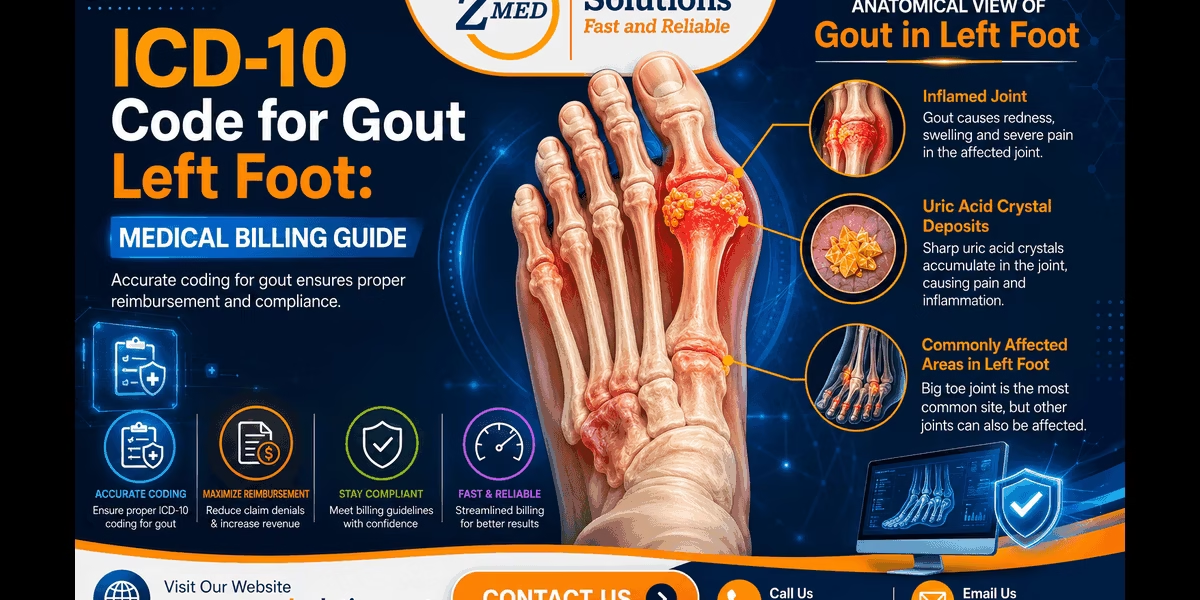
The ICD-10 code for gout left foot primarily falls under the M10.0 classification system. Specifically, M10.01 represents idiopathic gout affecting the left ankle and foot, while M10.02 indicates idiopathic gout of the left foot. Healthcare providers and medical coders must accurately identify the anatomical location and gout type when assigning codes. This ensures proper billing, tracking, and treatment documentation for patients experiencing left foot gout pain.
Managing gout-related healthcare requires precise medical documentation and accurate coding. The ICD-10 code gout left foot system enables healthcare providers to document patient conditions systematically. Gout represents a form of inflammatory arthritis affecting millions globally. Left foot involvement occurs frequently due to the joint’s weight-bearing function. Understanding the correct ICD-10 code for gout left foot ensures proper treatment coordination and insurance reimbursement. This guide explores all aspects of medical coding for left foot gout conditions.
Optimizing revenue cycle performance is one of the most critical, complex and challenges facing healthcare practices today. Zmed Solutions delivers end-to-end medical billing solutions designed to reduce claim denials, accelerate reimbursements and strengthen your practice’s financial foundation. Learn more about who we are and explore our full range of specialized billing services.
What Is Gout and Why Does It Affect the Left Foot?
Understanding Gout as a Medical Condition
Gout constitutes a metabolic disorder characterized by uric acid crystal accumulation. These crystals deposit in joints, causing acute inflammatory responses. The condition affects millions of individuals annually across various demographics. Gout left foot involvement occurs because feet bear significant body weight during daily activities. The first metatarsophalangeal joint frequently develops gout foot pain initially. Progressive cases may spread to other foot areas including the midfoot and ankle regions.
Uric acid metabolism dysfunction underlies gout pathophysiology fundamentally. Kidney function impairment reduces uric acid excretion efficiency substantially. Dietary factors including purine-rich foods contribute significantly to elevated serum uric acid levels. Alcohol consumption, particularly beer, increases gout development risk substantially. Genetic predisposition plays a meaningful role in individual gout susceptibility patterns.
Why the Left Foot Is Commonly Affected?
Weight-bearing mechanics influence gout distribution patterns significantly throughout the body. The left foot supports substantial bodyweight during standing and walking activities. Joint stress accelerates uric acid crystal precipitation in affected areas consistently. Some individuals experience predominantly left-sided involvement while others develop bilateral presentation. Lower extremity involvement occurs more frequently than upper extremity gout manifestations.
Temperature variations between feet and central body create favorable crystal formation environments. Cooler peripheral temperatures promote monosodium urate crystallization processes. Mechanical trauma from walking and running increases localized joint inflammation susceptibility. Previous foot injuries predispose areas toward repeated gout flare episodes. Understanding these biomechanical factors helps explain why left foot gout develops so commonly clinically.
Comprehensive ICD-10 Code Classification System for Gout
Breaking Down the M10.0 Classification Structure
The ICD-10 code M10 represents the primary classification for gout conditions systematically. The M10.0 subcategory specifies idiopathic gout diagnosis code presentations precisely. Additional digits following M10.0 identify specific anatomical locations affected. This hierarchical structure enables providers to document exact clinical presentations accurately. The seventh character typically indicates laterality (left, right, or bilateral) definitively.
M10.01 denotes ICD-10 gout code M10 affecting the left ankle and foot specifically. M10.02 represents gout affecting the left foot excluding ankle joint involvement. Each code variation ensures medical billing accuracy and treatment tracking. Proper code selection influences insurance reimbursement and quality metric calculations. Healthcare facilities require staff training on appropriate code selection procedures regularly.
Differentiating Between Gout Subtypes Through ICD-10 Coding
The ICD-10 code gout system accommodates different etiological presentations effectively. Idiopathic gout represents primary gout developing without secondary causes identified. Secondary gout develops following other medical conditions or medications. Drug-induced gout ICD 10 codes distinguish medication-related gout presentations clearly. Lead-induced gout and renal impairment-related gout receive separate code assignments. This differentiation supports epidemiological research and treatment pathway development.
Tophaceous gout left foot ICD 10 codes address chronic gout with tophi formation. Chronic gouty arthritis left foot codes acknowledge repeated inflammatory episodes. Acute gout flare up left foot episodes receive specific acute presentation codes. Interval gout codes describe periods between acute attacks when symptoms subside. Each presentation type requires appropriately selected codes for accurate documentation.
The M10 Category Breakdown
- M10.00-M10.09: Idiopathic gout, various anatomical locations
- M10.10-M10.19: Lead-induced gout presentations
- M10.20-M10.29: Drug-induced gout from documented medications
- M10.30-M10.39: Gout secondary to renal impairment
- M10.40-M10.49: Other secondary gout presentations
Each subcategory accommodates laterality modifiers accurately. The final character designates laterality: 1 for left, 2 for right, and 9 for unspecified. Bilateral involvement requires separate code assignment for each affected side. This system ensures comprehensive documentation of complex presentations systematically.
Specific ICD-10 Codes for Left Foot Gout Presentations
M10.01 – Idiopathic Gout, Left Ankle and Foot
M10.01 specifically addresses ICD-10 code for gout left foot when the ankle joint participates in the inflammatory process. This code applies when crystalline arthritis affects both ankle and foot structures. The condition may involve the talocrural joint primarily. Subtalar joint involvement frequently accompanies ankle gout presentations. Healthcare providers assign this code when ankle pain accompanies left foot gout symptoms definitively.
Clinical presentations include severe ankle swelling and mobility restriction. Patients typically experience acute pain onset over hours to days. Walking becomes significantly impaired during active flare episodes. Physical examination reveals warmth, erythema, and tenderness over ankle structures. Imaging may demonstrate joint effusion and crystal precipitation. Treatment focuses on anti-inflammatory medication and uric acid management strategies.
M10.02 – Idiopathic Gout, Left Foot
M10.02 designates gout left foot when foot involvement occurs without ankle joint participation. This code specifically addresses foot gout ICD 10 presentations affecting foot structures primarily. The first metatarsophalangeal joint represents the most commonly affected location initially. Midfoot involvement including tarsometatarsal joints frequently develops with disease progression. The fifth metatarsophalangeal joint involvement occurs commonly in chronic presentations. Plantar structures may develop crystal deposits over extended disease duration.
Patients report intense gout foot pain localized to affected structures. Ambulation becomes significantly impaired during acute episodes. Shoes become unwearable due to pressure sensitivity. Edema affects the dorsal and plantar foot surfaces prominently. Patients experience functional limitations affecting daily activities substantially. Early treatment intervention prevents chronic complications effectively.
Understanding the First Metatarsophalangeal Joint Gout Presentation
The first metatarsophalangeal joint represents the initial gout site in approximately 50% of patients. This joint’s location and function predispose it to crystalline deposition. The joint receives substantial stress during weight-bearing activities constantly. Cooler peripheral temperatures favor crystal precipitation at this location. Previous trauma increases risk of initial gout involvement significantly.
First metatarsophalangeal joint gout presents with characteristic acute inflammation. Patients describe sudden pain onset in the great toe area. Walking becomes extremely painful requiring assistive devices. Joint swelling makes the toe visibly enlarged and tender. Systemic symptoms including fever may accompany severe episodes. Proper treatment prevents permanent joint damage when initiated promptly.
Medical Billing and Coding Considerations for Healthcare Providers
Proper Documentation Requirements for Accurate Coding
Healthcare providers must document specific anatomical location with precision. Distinguishing between ankle and foot involvement proves essential for code selection. Laterality documentation ensures accurate coding assignment. Providers should document whether this represents initial or recurrent presentation. Severity assessment including acute versus chronic status requires documentation. Triggering factors including medications or dietary factors merit inclusion.
Physician documentation directly influences coder selection accuracy substantially. Vague descriptions complicate coding processes and increase audit risk. Specific anatomical terminology facilitates appropriate code assignment. Documentation should reference imaging findings when available. Laboratory results confirming hyperuricemia strengthen diagnostic documentation. Treatment plans implemented document understanding of the condition’s complexity.
Insurance Reimbursement and Medical Coding Accuracy
Accurate gout diagnosis code assignment directly impacts insurance reimbursement levels. Payers establish specific reimbursement amounts for different gout codes. Incorrect coding may result in claim denials or reduced reimbursement. Undercoding fails to capture disease severity and treatment complexity. Overcoding may invite compliance audits and recovery demands. Healthcare facilities establish coding verification processes to ensure accuracy.
Medical coders require ongoing training on updated coding guidelines. Annual coding updates address new conditions and code expansions. Coding audits identify patterns requiring staff retraining. Electronic health records should include coding validation alerts. Quality assurance programs monitor coding accuracy metrics continuously. Compliance committees address coding concerns proactively.
Coordination of Care Documentation
Multiple providers frequently care for gout patients throughout disease progression. Rheumatologists manage chronic disease and medication therapy. Primary care providers address acute exacerbations initially often. Orthopedic specialists may become involved for chronic joint damage. Each provider’s documentation contributes to comprehensive health records. Clear documentation facilitates care coordination between specialists effectively.
Referral documentation should specifically mention left foot gout characteristics. Test results including serum uric acid levels inform specialist recommendations. Imaging findings guide treatment decision-making processes. Previous medication trials influence current prescribing decisions. Allergy documentation prevents inappropriate medication selection. Comorbidity consideration shapes overall treatment approaches.
Clinical Presentation and Diagnosis of Left Foot Gout
Recognizing Acute Gout Attack Symptoms
Acute gout left foot presents with characteristic sudden-onset symptoms. Patients typically experience severe pain beginning during nighttime hours. Morning awakening reveals significant foot swelling and discoloration. The affected area displays bright red or violaceous coloration prominently. Heat emanates from affected joint structures noticeably. Movement triggers excruciating pain limiting mobility severely. Systemic symptoms including low-grade fever accompany inflammatory response.
Pain intensity typically peaks within 24-48 hours of symptom onset. Untreated episodes may persist for 7-10 days. Patient distress during acute attacks significantly impacts daily function. Emergency department visits occur frequently during acute exacerbations. Immediate treatment provides substantial pain relief within hours. Preventive measures reduce recurrence frequency substantially.
Chronic Gout Manifestations and Tophaceous Disease
Chronic gout left foot develops after repeated acute episodes over years. Patients experience increasingly frequent flare episodes. Inter-flare periods may shorten progressively without intervention. Joint structure gradually deteriorates from repeated inflammatory insults. Permanent deformity may develop affecting foot appearance. Tophaceous gout left foot ICD 10 codes address advanced chronic presentations. Tophi represent deposits of monosodium urate crystals accumulating gradually.
Tophaceous deposits form firm nodules visible subcutaneously. These deposits may ulcerate through skin causing drainage. Secondary infections complicate tophaceous presentations occasionally. Chronic pain develops even between acute flare episodes. Functional limitations progressively worsen affecting mobility. Joint surgery may become necessary for severe structural damage.
Diagnostic Tests Confirming Gout Diagnosis
Serum uric acid levels provide important diagnostic context. Elevated levels support gout diagnosis though single measurements lack specificity. 24-hour urine uric acid excretion quantifies daily excretion. Imaging studies demonstrate crystal deposits and joint damage. X-rays reveal chronic changes including tophi and erosions. Ultrasound identifies crystal deposits and effusions effectively. Joint aspiration with crystal analysis provides definitive diagnosis.
Synovial fluid analysis identifies needle-shaped monosodium urate crystals. Polarized light microscopy confirms crystal identity definitively. White blood cell counts indicate inflammation severity. Culture excludes bacterial infection mimicking gout clinically. Clinical presentation combined with laboratory findings establishes diagnosis. Proper diagnosis prevents inappropriate treatment approaches.
Treatment Options and Management Strategies
Acute Episode Management for Gout Attack Left Foot Diagnosis
Initial treatment focuses on pain control and inflammation reduction. Non-steroidal anti-inflammatory drugs (NSAIDs) reduce pain effectively. Colchicine decreases inflammatory response when started early. Corticosteroids provide relief when NSAIDs contraindicate. Rest and elevation reduce swelling and discomfort. Cryotherapy application soothes pain symptoms. Bed rest during acute episodes accelerates recovery.
Medication selection depends on comorbidities and allergies. Kidney disease requires careful NSAID dosing consideration. Gastrointestinal disease influences medication selection significantly. Drug interactions require monitoring with current medications. Timing of medication administration influences effectiveness substantially. Follow-up monitoring ensures symptom resolution progression.
Long-Term Uric Acid Management and Prevention
Left foot gout treatment emphasizes prevention of recurrent episodes. Urate-lowering therapy reduces serum uric acid levels substantially. Allopurinol represents the first-line urate-lowering medication. Xanthine oxidase inhibitor action reduces uric acid production. Febuxostat provides alternative mechanism for resistant patients. Pegloticase offers aggressive urate reduction for severe cases.
Uricosuric agents enhance urinary uric acid excretion. Probenecid increases kidney clearance of uric acid. Lesinurad provides newer uricosuric agent option. Pegloticase degrades uric acid directly. Gradual dose adjustment prevents mobilization flare episodes. Prophylactic anti-inflammatory therapy accompanies urate-lowering initiation. Target serum uric acid achievement prevents disease progression effectively.
Lifestyle Modifications and Dietary Approaches
Dietary purine restriction reduces uric acid load substantially. Red meat consumption limitation decreases gout frequency. Seafood reduction particularly affects affected individuals. Organ meat avoidance reduces purine intake significantly. High-fructose syrup restriction prevents uric acid elevation. Alcohol avoidance particularly beer substantially improves outcomes. Adequate hydration increases uric acid urinary excretion.
Weight management reduces metabolic syndrome contribution to gout. Regular exercise improves overall health without triggering attacks. Stress reduction techniques minimize stress-related flares. Sleep optimization supports metabolic function. Temperature exposure avoidance prevents cold-related flares. Proper footwear selection reduces pressure on affected joints. These modifications complement pharmacological treatment effectively.
Complications and Long-Term Outcomes
Chronic Joint Damage and Disability Prevention
Untreated chronic gout causes permanent joint destruction. Cartilage erosion develops progressively from repeated inflammatory episodes. Subchondral bone damage occurs beneath articular surfaces. Structural deformity results from cumulative damage. Functional limitation progresses affecting activities of daily living. Disability development impacts work capacity and independence. Early intervention prevents permanent complications substantially.
Tophi growth compresses surrounding neural structures. Nerve compression causes chronic pain independent of flares. Blood vessel compression may develop compromising tissue perfusion. Skin ulceration through tophaceous deposits creates infection risk. Secondary infections cause additional morbidity and treatment challenges. Amputation risk develops in rare untreated severe cases. Aggressive management prevents these devastating complications.
Secondary Conditions Associated with Gout
Chronic kidney disease frequently accompanies gout. Uric acid crystal nephropathy damages renal tubules. Progressive kidney dysfunction requires monitoring and management. Hypertension commonly coexists with gout. Cardiovascular disease risk increases substantially with gout. Metabolic syndrome frequently accompanies gout. Diabetes develops more commonly in gout patients. Multiple comorbidities require comprehensive management approaches.
Patient education addressing these associations improves outcomes. Lifestyle modifications benefit multiple conditions simultaneously. Medication selection considers effects on various conditions. Specialist consultation facilitates coordinated care approaches. Regular monitoring prevents complication progression. Early intervention prevents severe outcomes effectively.
Special Populations and Atypical Presentations
Hereditary Gout ICD 10 Code Considerations
Genetic predisposition significantly influences gout development. Enzyme defects affecting purine metabolism increase gout risk. Family history increases individual gout probability substantially. Hereditary gout ICD 10 code documentation identifies genetic cases. Enzyme analysis identifies specific metabolic defects. Genetic counseling informs family members of increased risk. Early intervention prevents disease progression in predisposed individuals.
Hypoxanthine-guanine phosphoribosyltransferase deficiency causes severe gout. Lesch-Nyhan syndrome represents severe manifestation requiring specialized care. Glucose-6-phosphatase deficiency contributes to gout in specific populations. PRPP synthetase overactivity causes early-onset gout. Genetic testing identifies specific enzymatic defects. Specialized treatment approaches target underlying defects. Family screening identifies other affected members. Appropriate diagnosis ensures proper genetic counseling.
Drug-Induced Gout ICD 10 Management
Specific medications increase gout risk substantially. Diuretics reduce urinary uric acid excretion promoting gout. Loop and thiazide diuretics increase gout frequency. Drug-induced gout ICD 10 coding addresses medication-related presentations. Aspirin medications increase serum uric acid levels. Tuberculosis medications including pyrazinamide increase gout risk. Chemotherapy causing rapid cell death releases intracellular uric acid. Immunosuppressive medications used post-transplant increase gout incidence.
Medication review identifies potentially offending agents. Alternative medications may prevent gout recurrence. Dose adjustment sometimes suffices without agent cessation. Monitoring for gout symptoms guides medication adjustments. Risk-benefit analysis determines medication continuation decisions. Patient education addresses drug-related gout causation. Preventive therapy may accompany continued medication use.
Post-Transplant Gout and Other Special Scenarios
Kidney transplant recipients frequently develop gout. Calcineurin inhibitors increase serum uric acid levels. Diuretics in chronic kidney disease promote gout. Reduced glomerular filtration decreases uric acid clearance. Gout flare up left foot may represent post-transplant complication. Immunosuppressive therapy modifications sometimes prevent gout. Urate-lowering therapy balances graft rejection prevention. Specialized nephrology management addresses these complex interactions. Allograft function preservation guides treatment decisions. Regular monitoring prevents transplant complications.
Healthcare Provider Resources and Documentation
Electronic Health Record Integration
Modern EHR systems include automated coding suggestions. Diagnostic code libraries facilitate accurate code selection. Documentation templates promote consistent information capture. Coding alerts identify potential discrepancies requiring clarification. Audit trails track coding changes and reasoning. Real-time compliance checks prevent obvious coding errors. Staff training optimizes system utilization. Regular updates maintain compliance with changing guidelines.
Interoperability enables seamless information sharing between providers. Referral documentation automatically transfers complete records. Test results integrate into centralized systems. Medication lists prevent dangerous interactions. Allergy documentation prevents adverse events. Previous treatment records inform current decisions. Complete histories improve clinical decision-making. Coordinated care improves patient outcomes substantially.
Clinical Decision Support Systems
Evidence-based guidelines support appropriate diagnosis and treatment. Uric acid targets guide therapy adjustment decisions. Medication interaction warnings prevent adverse events. Allergy cross-checking prevents allergen exposure. Renal function dosing adjustments protect kidney function. Automated alerts identify quality improvement opportunities. Patient education resources support self-management. Outcome tracking identifies treatment effectiveness. Continuous improvement processes enhance care quality.
Quality Metrics and Performance Measurement
Healthcare organizations track gout management quality metrics. Diagnostic accuracy rates reflect proper coding. Uric acid target achievement measures treatment effectiveness. Flare frequency reduction demonstrates preventive success. Patient satisfaction scores reflect care quality. Medication adherence rates influence outcome achievement. Emergency department utilization for gout exacerbations trends. Hospital readmission avoidance demonstrates care continuity. These metrics guide quality improvement initiatives.
Benchmark comparisons identify facilities requiring additional support. Best practice sharing improves lower-performing facilities. Provider-specific feedback promotes individual improvement. Organizational accountability drives quality enhancement. Financial incentives reward quality achievement. Regulatory requirements mandate performance tracking. Public reporting increases transparency and accountability. Continuous improvement cultures drive excellence.
Patient Education and Self-Management
Understanding Personal Gout Risk Factors
Individual education should address modifiable risk factors. Dietary counseling reduces purine intake. Alcohol reduction recommendations specific to patient consumption. Weight management strategies support overall health. Hydration goals promote uric acid clearance. Stress reduction techniques support overall wellness. Sleep optimization supports metabolic health. Exercise guidance provides appropriate activity levels.
Medication education ensures proper adherence. Side effect discussions promote tolerance. Drug interaction awareness prevents complications. Appointment scheduling adherence improves outcomes. Symptom recognition enables early intervention. Emergency department usage appropriateness guidance. Home care instructions support self-management. Regular follow-up scheduling ensures continuity. Patient engagement improves overall outcomes substantially.
When to Seek Emergency Care?
Severe pain unresponsive to home management warrants evaluation. Fever accompanying joint symptoms requires assessment. Spreading swelling suggests progressive infection. Skin breakdown over tophi requires urgent attention. Immobility preventing basic function demands attention. Chest pain or shortness of breath requires immediate care. Neurological symptoms warrant emergency evaluation. Blood clots present life-threatening risks. These warning signs require prompt professional attention.
Frequently Asked Questions
ICD-10 Code for Gout Left Foot
What Exactly Does the M10.01 Code Represent?
M10.01 represents idiopathic gout affecting the left ankle and foot specifically. Idiopathic denotes primary gout without identifiable secondary causes. The code applies when both ankle joint and foot structures show crystal deposition. This differs from M10.02, which indicates foot involvement excluding ankle participation. The final digit “1” designates left-sided involvement specifically. Healthcare providers assign this code based on clinical presentation and diagnostic confirmation. Accurate assignment ensures proper billing and outcome tracking for research purposes.
How Does Drug-Induced Gout Differ in ICD-10 Coding?
Drug-induced gout ICD 10 codes fall under the M10.2 category rather than M10.0. This distinction identifies medication-related causation explicitly. Diuretics, aspirin, and immunosuppressive medications commonly trigger drug-induced gout. Coding identifies the specific medication type when documented. This information informs prescriber decision-making regarding medication continuation. Alternative medications may prevent recurrence effectively. Removing causative agents often resolves gout symptoms. Different pharmacological management approaches apply compared to idiopathic gout. Insurance coverage may differ for drug-induced presentations. Proper coding ensures appropriate clinical attention to causative factors.
What Are the Main Differences Between Acute and Chronic Gout Coding?
Acute presentations receive specific coding indicating episodic manifestation. Chronic gouty arthritis left foot codes identify recurrent or progressive disease. Tophaceous presentations receive specialized codes reflecting chronic crystal accumulation. Interval gout codes describe symptom-free periods between acute attacks. Coding accuracy reflects disease stage and severity. Treatment approaches differ substantially between acute and chronic presentations. Acute treatment prioritizes pain control and inflammation reduction. Chronic management emphasizes uric acid control and complication prevention. Proper coding informs appropriate treatment strategies. Progression from acute to chronic changes coding requirements. Serial coding documents disease evolution over time.
How Should Bilateral Foot Gout Be Coded Appropriately?
Bilateral gout requires separate code assignment for each affected side. Coding both feet separately ensures complete documentation. Typically, the clinically more significant side receives primary coding emphasis. Both codes appear in complete medical records. Bilateral disease indicates more severe presentation. Systemic urate-lowering therapy addresses both sides simultaneously. Treatment intensity increases for bilateral involvement. Functional limitation worsens with bilateral participation. Prognosis may worsen compared to unilateral disease. Appropriate coding ensures comprehensive severity documentation.
What Resources Help Healthcare Providers Stay Current With Coding Updates?
Professional organizations publish annual coding guideline updates. The American Academy of Rheumatology provides gout management guidance. ICD-10 coding manuals receive regular updates reflecting guideline changes. Online coding databases provide searchable code classifications. Continuing medical education addresses coding updates annually. Healthcare facility coding departments distribute updated resources. Coding audits identify areas requiring staff retraining. Electronic health records integrate updated coding guidelines. Professional coding associations provide member training opportunities. Networking with other providers identifies best practices. Regular compliance reviews maintain organizational standards. These resources ensure providers maintain coding competency effectively.
Final Thoughts
Understanding the ICD-10 code for gout left foot empowers healthcare providers and patients alike. The M10.0 classification system enables precise documentation of gout presentations affecting the left lower extremity. Accurate coding ensures proper insurance reimbursement, facilitates quality metric tracking, and supports comprehensive patient care coordination. ICD-10 code gout left foot classifications differentiate between idiopathic, secondary, and drug-induced presentations systematically.
Proper documentation of gout left foot presentations prevents coding errors and associated complications. Healthcare providers must understand anatomical specificity, laterality designation, and code hierarchies thoroughly. Medical billing staff require training on appropriate code selection processes. Auditing programs monitor coding accuracy ensuring compliance. Patient education about gout pathophysiology and management strategies improves outcomes substantially.
The ICD-10 code M10 system represents essential infrastructure for modern healthcare delivery. Accurate coding influences research data quality and epidemiological understanding. Policymakers use aggregated coding data for public health initiatives. Treatment guidelines incorporate data from coded presentations. Quality improvement efforts target identified problem areas. Future innovations may refine coding systems further. Currently, proper utilization of existing codes optimizes healthcare delivery.
Integrated approaches combining accurate coding with evidenced-based treatment produce optimal outcomes. Multidisciplinary teams including rheumatologists, primary care providers, and podiatrists coordinate care effectively. Patient partnerships emphasizing self-management compliance enhance success. Technology integration streamlines processes and reduces errors. Continuous learning maintains provider competency. These comprehensive approaches minimize complications and maximize quality of life for gout patients.
Key Market Player
Ready to optimize your medical billing and boost your revenue? Look no further. Zmed Solutions LLC is your trusted partner in professional Medical Billing Services.
Join hundreds of satisfied healthcare providers who have already elevated their revenue with our expert services. Don't miss out on what could be your practice's most profitable decision.
Schedule a Consultation Today!
Contact Us Now, and experience the difference. Your financial success starts here!