In the digital era of healthcare, Electronic Health Records (EHR) have revolutionized the way patient data is stored, managed, and utilized. Unlocking the power of your EHR can significantly improve health management and patient outcomes. This comprehensive guide provides essential tips and insights to make the most out of your EHR system, ensuring optimal health management..
Understanding Electronic Health Records (EHR)
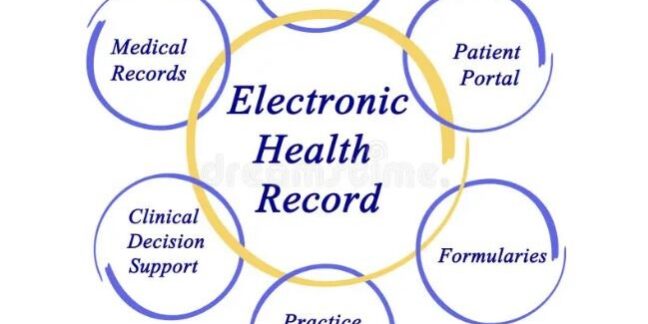
Before delving into the tips, let’s understand what EHR entails and its significance in modern healthcare. Electronic Health Records are digital versions of patients’ medical histories, including diagnoses, treatments, allergies, medications, and more. These records are accessible to authorized healthcare providers, promoting seamless information sharing and continuity of care.
The Benefits of Utilizing EHR
Embracing EHR offers numerous advantages to healthcare providers, patients, and the overall healthcare ecosystem. Some of the key benefits include improved efficiency, enhanced patient safety, better care coordination, and data-driven decision-making.
Essential Tips for Maximizing EHR Potential
Organize Your EHR Data Efficiently
A well-organized EHR system is essential for smooth operations and easy retrieval of patient information. Categorize data logically, utilize consistent naming conventions, and implement standardized templates for documentation.
Engage in Active Patient Involvement
Encourage patients to actively participate in managing their health records. Educate them about the benefits of EHR access, and ensure they understand how to review and update their information.
Utilize EHR for Preventive Care
Leverage EHR capabilities to identify patients due for preventive screenings and vaccinations. Implementing reminders and alerts within the system can significantly enhance preventive care measures.
The Role of AI and Machine Learning in EHR Optimization
Artificial Intelligence (AI) and Machine Learning (ML) technologies are transforming EHR management. Explore how these advanced technologies can assist in data analysis, predictive modeling, and improving clinical decision-making.
Addressing Privacy and Security Concerns in EHR Management
The security of patient data is paramount in EHR management. Discuss encryption, access controls, and other security measures to protect sensitive information from unauthorized access.
Ensuring Interoperability and Data Sharing
Efficient data sharing among healthcare providers is crucial for comprehensive patient care. Address the challenges and solutions for achieving seamless EHR interoperability.
EHR Data Analytics: Leveraging Insights for Better Outcomes
Utilize data analytics tools to gain valuable insights from EHR data. How can analytics help in identifying trends, improving patient outcomes, and optimizing healthcare processes?
Common Challenges and How to Overcome Them?
User Training and Adoption
Implementing an EHR system often faces resistance from staff unfamiliar with the technology. Discuss effective training strategies to ensure smooth adoption.
Data Integration and Integrity
Integrating data from various sources can be challenging, leading to data integrity issues. Highlight best practices for data integration and maintaining data accuracy.
Interoperability Issues
Interoperability challenges can hinder data exchange and care coordination. How can healthcare organizations address these issues and foster seamless data sharing?
EHR and Telemedicine: A Symbiotic Relationship
Explore the synergy between EHR and telemedicine. How do these technologies complement each other to provide efficient and accessible healthcare services?
The Future of EHR: Advancements and Trends
Delve into the emerging trends and future advancements in EHR technology. Discuss potential innovations that could revolutionize healthcare delivery.
Addressing Healthcare Disparities with EHR
Examine how EHR can play a pivotal role in bridging healthcare disparities and promoting equitable access to quality care for all populations.
Leveraging EHR in Population Health Management
Discuss the significance of EHR in population health management. How can EHR assist in identifying at-risk populations and implementing targeted interventions?
Enhancing Patient Engagement through EHR
Empower patients to take charge of their health through increased engagement facilitated by EHR. How can EHR tools enhance communication and collaboration between patients and healthcare providers?
Improving Clinical Decision-Making with EHR
Detail the ways in which EHR can support clinical decision-making. How do real-time data and evidence-based insights aid healthcare professionals in making informed choices?
EHR and Patient-Centered Care
Highlight the alignment between EHR and patient-centered care models. Discuss how EHR contributes to personalized treatment plans and patient satisfaction.
EHR and Chronic Disease Management
Examine the role of EHR in managing chronic diseases effectively. How can EHR assist in monitoring, managing, and optimizing treatment for chronic conditions?
The Role of EHR in Clinical Trials
Explore the application of EHR in clinical trials and medical research. Discuss how EHR can streamline trial processes and improve data accuracy.
EHR and Healthcare Policy
Explain the influence of EHR on healthcare policies and regulations. How can policymakers leverage EHR insights to shape evidence-based healthcare policies?
Overcoming Data Overload in EHR
Managing the vast amount of data generated by EHR can be overwhelming. Share strategies to effectively handle data overload and extract meaningful information.
The Ethical Use of EHR Data
Discuss the ethical considerations surrounding EHR data usage. How can healthcare providers ensure data privacy and ethical data handling?
EHR and Personalized Medicine
Explore the intersection of EHR and personalized medicine. How can EHR data contribute to tailoring treatments to individual patients’ unique characteristics?
Integrating EHR with Wearable Technology
Discuss the integration of EHR with wearable devices and its impact on patient monitoring and remote healthcare.
Harnessing EHR for Mental Health Management
Examine how EHR can be harnessed to support mental health management. Discuss the benefits of incorporating mental health data into EHR systems.
Bottom Line
Unlocking the power of your EHR is pivotal in optimizing health management and transforming healthcare delivery. By following the essential tips outlined in this article, healthcare providers can harness the full potential of EHR systems to provide patient-centered, efficient, and data-driven care.
Ready to optimize your medical billing and boost your revenue? Look no further. Zmed Solutions LLC is your trusted partner in professional Medical Billing Services.
Join hundreds of satisfied healthcare providers who have already elevated their revenue with our expert services. Don't miss out on what could be your practice's most profitable decision.
Schedule a Consultation Today!
Contact Us Now, and experience the difference. Your financial success starts here!