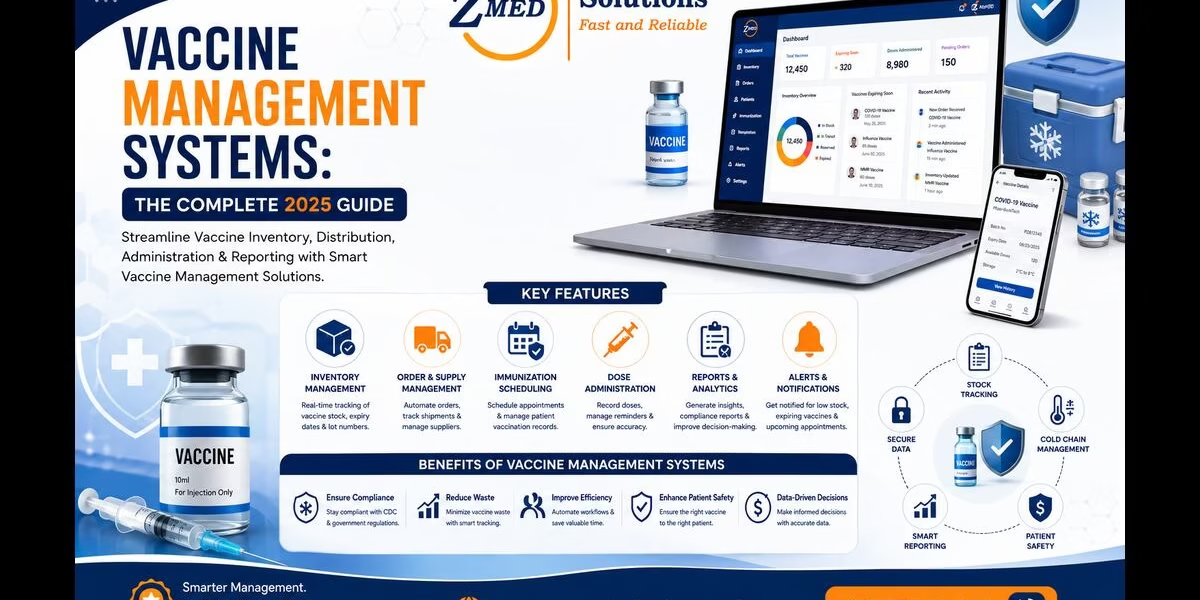
Vaccine Management Systems are digital platforms that help healthcare providers track, store, and distribute vaccines while maintaining accurate immunization records. These systems combine vaccine inventory management, vaccine cold chain management, and electronic immunization records into a single solution, reducing wastage, preventing stockouts, and ensuring compliance with public health regulations such as CDC guidelines.
Vaccines save millions of lives every year, but managing them is far more complex than it appears. Healthcare providers must track expiration dates, maintain strict temperature ranges, and report accurate data to public health authorities. This is where Vaccine Management Systems come in.
A well-designed vaccine management system does more than store data. It connects vaccine tracking software, immunization management system tools, and vaccine storage management protocols into one unified digital environment. For hospitals, clinics, pharmacies, and public health departments, this technology has become essential rather than optional.
In this comprehensive guide, we explore everything you need to know about vaccine management systems — from core features to implementation strategies, compliance requirements, and future trends shaping the industry.
What Are Vaccine Management Systems?
Vaccine Management Systems are software platforms designed to oversee the entire lifecycle of vaccines. This includes procurement, storage, distribution, administration, and reporting. Unlike generic inventory tools, these systems are built specifically for the sensitivities of immunization products.
At their core, these platforms combine vaccine inventory software with vaccine scheduling software, giving healthcare organizations a single source of truth. They track lot numbers, expiration dates, dosage counts, and storage conditions in real time.
Modern digital vaccine management solutions also integrate with electronic health records (EHR) systems. This integration ensures that every dose administered is automatically logged, reducing manual errors and administrative burden on clinical staff.
Core Functions of a Vaccine Management System
A comprehensive system typically performs several interconnected functions simultaneously. These functions work together to create a seamless operational workflow.
- Inventory tracking — Monitoring current stock levels across multiple locations
- Cold chain monitoring — Ensuring vaccines remain within safe temperature ranges
- Expiration alerts — Flagging doses nearing expiry to prevent waste
- Administration logging — Recording who received which vaccine and when
- Reporting and compliance — Generating reports for regulatory bodies
Each function supports the others, creating a closed-loop system. This reduces the risk of errors that could compromise patient safety or vaccine efficacy.
Why Healthcare Organizations Need Vaccine Management Systems?
The stakes in vaccine handling are extremely high. A single break in the cold chain can render an entire batch ineffective. Manual tracking methods, such as spreadsheets or paper logs, simply cannot keep pace with modern demands.
Healthcare vaccine management software eliminates many of these risks by automating routine tasks. Staff no longer need to manually count doses or calculate expiration windows. The system does this automatically, freeing up time for direct patient care.
Beyond operational efficiency, there is also a significant financial incentive. Vaccine wastage costs healthcare systems millions of dollars annually. According to public health data, temperature excursions and expired doses account for a substantial percentage of this loss.
Reducing Vaccine Wastage Through Smart Tracking
Smart vaccine inventory tools use predictive analytics to forecast demand accurately. This prevents over-ordering, which often leads to unused doses expiring on shelves.
These systems also send automated alerts when stock levels run low. This ensures clinics never run out of critical vaccines during peak demand periods, such as flu season or outbreak responses.
By combining vaccine expiration tracking with automated reordering, organizations can maintain optimal stock levels. This balance between availability and waste reduction is difficult to achieve manually but becomes straightforward with the right software.
Improving Patient Safety and Compliance
Patient safety depends heavily on accurate record-keeping. Vaccination record management ensures that every patient’s immunization history is accessible and up to date.
This is particularly important for multi-dose vaccine series, where timing between doses matters significantly. A robust immunization tracking system automatically flags patients who are due or overdue for follow-up doses.
Compliance is another critical factor. Healthcare providers must adhere to CDC vaccine inventory guidelines and other regulatory frameworks. Automated vaccine compliance management tools generate the necessary documentation without requiring manual report generation.
Key Features to Look for in Vaccine Management Systems
Not all vaccine management platforms are created equal. When evaluating solutions, healthcare organizations should prioritize certain must-have features that directly impact daily operations.
Real-Time Inventory Visibility
The best vaccine inventory management platforms provide real-time visibility across all storage locations. Whether vaccines are stored in a single clinic or distributed across multiple facilities, administrators need instant access to current stock levels.
This visibility extends to lot-level tracking, which is essential for recall management. If a specific batch is recalled, the system should instantly identify every location and patient associated with that lot number.
Real-time dashboards also support better decision-making. Administrators can quickly identify which locations need restocking and which have surplus inventory that could be redistributed.
Cold Chain and Temperature Monitoring
Vaccine cold chain management is arguably the most critical feature of any vaccine system. Vaccines must be stored within precise temperature ranges, often between 2°C and 8°C, though some require freezing.
Advanced cold storage monitoring for vaccines uses IoT-enabled sensors that continuously track refrigerator and freezer temperatures. If a unit deviates from the safe range, the system immediately alerts staff via text, email, or app notification.
This automated monitoring eliminates the need for manual temperature logging, which is prone to human error. It also creates an auditable digital trail, which is invaluable during regulatory inspections.
Automated Expiration and Lot Tracking
Every vaccine batch carries a lot number and expiration date that must be tracked meticulously. Vaccine stock tracking software automates this process, reducing reliance on manual spreadsheets.
The system flags doses approaching expiration well in advance. This gives staff time to prioritize using older stock first, following the First-Expiry-First-Out (FEFO) principle.
Automated tracking also simplifies recall processes. When manufacturers issue recalls, administrators can instantly cross-reference lot numbers against patient records, ensuring rapid and accurate response.
Integration With Immunization Registries
A strong immunization registry software integration connects local vaccine data with state and national databases. This ensures immunization records are consistent across different healthcare providers.
This interoperability is particularly valuable for patients who move between providers or states. Their vaccination history remains accessible regardless of where they receive care.
For public health agencies, this integration supports population-level tracking. It allows officials to monitor vaccination coverage rates and identify gaps in community immunity.
Reporting and Analytics Dashboards
Comprehensive reporting tools transform raw data into actionable insights. Vaccination reporting software generates reports on usage patterns, wastage rates, and compliance metrics automatically.
These analytics help administrators identify trends over time. For example, they might notice that certain vaccine types consistently expire before use, indicating a need to adjust ordering patterns.
Customizable dashboards also support different stakeholder needs. Clinical staff may need daily inventory snapshots, while executives require monthly compliance summaries for board reporting.
Types of Vaccine Management Systems
Vaccine management solutions vary widely depending on the setting and scale of operations. Understanding these differences helps organizations choose the right fit.
Cloud-Based Vaccine Management Software
Cloud-based vaccine management software has become the industry standard due to its flexibility and accessibility. These platforms allow authorized staff to access data from any internet-connected device.
Cloud solutions also simplify updates and maintenance. Since the software runs on remote servers, healthcare organizations avoid the burden of maintaining on-site infrastructure.
Scalability is another major advantage. Cloud platforms can easily expand to accommodate additional locations or increased patient volumes without significant hardware investment.
On-Premise Vaccine Inventory Systems
Some larger healthcare institutions still prefer on-premise medical inventory management system deployments. These offer greater control over data storage and security protocols.
On-premise systems may be preferred by organizations with strict internal IT policies. They provide direct oversight of servers and infrastructure, which some compliance frameworks require.
However, on-premise solutions typically involve higher upfront costs and ongoing maintenance requirements. This makes them less accessible for smaller clinics or practices.
Hospital-Specific Vaccine Management Solutions
Hospital vaccine management systems are designed for high-volume, complex environments. These platforms must handle multiple departments, diverse patient populations, and extensive vaccine catalogs simultaneously.
Hospital systems often integrate directly with existing EHR and pharmacy management platforms. This creates a seamless workflow from vaccine ordering through administration and billing.
Given the scale of hospital operations, these systems require robust vaccine logistics software capabilities to manage distribution across multiple wards and outpatient facilities.
Pharmacy and Clinic-Focused Platforms
Pharmacy vaccine management solutions are typically lighter and more streamlined than hospital systems. They focus on core functions like inventory tracking, scheduling, and point-of-care documentation.
Clinical vaccine software designed for smaller practices often includes simplified interfaces. This makes adoption easier for staff who may not have extensive technical training.
These platforms still maintain essential compliance features, ensuring even small clinics meet the same regulatory standards as larger institutions.
How Vaccine Management Systems Improve Inventory Control?
Effective inventory control is the backbone of successful vaccine programs. Poor inventory management leads to either costly waste or dangerous shortages, both of which harm patient care.
Preventing Stockouts and Overstocking
Vaccine inventory control relies on accurate demand forecasting. Modern systems analyze historical usage data to predict future needs with impressive accuracy.
This predictive capability prevents the common problem of overstocking, which ties up budget and increases wastage risk. It equally prevents stockouts, which can delay critical immunizations for vulnerable patients.
Automated reorder points ensure that new stock arrives before existing supplies run out. This creates a continuous, reliable supply chain without requiring constant manual oversight.
Streamlining the Vaccine Ordering Process
A well-integrated vaccine ordering system simplifies procurement significantly. Instead of manually calculating needs and submitting separate orders, staff can rely on automated recommendations.
These systems often connect directly with manufacturer and distributor platforms. This reduces order processing time and minimizes the risk of transcription errors during manual data entry.
Streamlined ordering also supports better budget planning. Administrators gain clearer visibility into upcoming procurement costs, allowing for more accurate financial forecasting.
Supporting Multi-Site Distribution
For organizations managing multiple locations, vaccine distribution management becomes significantly more complex. Centralized systems allow administrators to monitor and redistribute stock across facilities as needed.
This capability is especially valuable during high-demand periods, such as seasonal flu campaigns or outbreak responses. Vaccines can be quickly reallocated from lower-demand sites to areas experiencing shortages.
Centralized vaccine supply chain management also improves overall system resilience, reducing the impact of localized disruptions on the broader network.
Vaccine Management Systems and Public Health
Public health agencies rely heavily on aggregated vaccine data to make informed policy decisions. Public health vaccine management platforms play a crucial role in this broader ecosystem.
Population-Level Immunization Tracking
Government health departments use vaccine management data to monitor community immunization rates. This information helps identify under-vaccinated populations that may require targeted outreach.
During disease outbreaks, this data becomes even more critical. Public health officials can quickly assess vaccination coverage and direct resources to areas of greatest need.
Accurate population-level tracking also supports research efforts, helping scientists understand vaccine effectiveness across different demographics and regions over time.
Supporting Outbreak Response and Emergency Preparedness
During health emergencies, rapid vaccine deployment becomes essential. Systems with strong vaccine logistics software capabilities allow for swift redistribution of supplies to affected areas.
These platforms also support mass vaccination events by managing high patient volumes efficiently. Scheduling, check-in, and documentation processes are streamlined to reduce wait times.
Emergency preparedness planning benefits from historical data stored within these systems. Agencies can model potential scenarios based on past outbreak responses and adjust strategies accordingly.
Implementation Best Practices for Vaccine Management Systems
Successfully implementing a new vaccine management platform requires careful planning. Rushing the process often leads to staff resistance and operational disruptions.
Assessing Organizational Needs
Before selecting a system, organizations should conduct a thorough needs assessment. This includes evaluating current pain points, staff workflows, and existing technology infrastructure.
Consider factors such as patient volume, number of locations, and integration requirements with existing EHR systems. These factors significantly influence which platform will be the best fit.
Involving frontline staff in this assessment process ensures the chosen solution addresses real operational challenges rather than theoretical ones identified only by administrators.
Ensuring Staff Training and Adoption
Even the most advanced vaccine administration software fails without proper staff training. Comprehensive onboarding programs should be built into every implementation timeline.
Training should cover not just basic navigation but also troubleshooting common issues. Staff confidence directly correlates with system adoption rates and overall data accuracy.
Ongoing support resources, such as help desks or refresher training sessions, help maintain proficiency as staff turnover occurs or system updates are introduced.
Data Migration and System Integration
Transitioning from legacy systems requires careful vaccine data management planning. Historical records must be accurately migrated to avoid gaps in patient immunization history.
Integration testing should occur before full deployment. This ensures the new system communicates properly with existing EHR, pharmacy, and billing platforms.
A phased rollout approach often works best for larger organizations. Testing the system in one department or location first allows for troubleshooting before organization-wide implementation.
Vaccine Administration Workflow Automation
Beyond inventory, modern platforms increasingly focus on streamlining the actual administration process at the point of care.
Point-of-Care Documentation
Vaccine administration workflow tools allow clinical staff to document doses immediately after administration. This real-time entry reduces the risk of forgotten or delayed documentation.
Barcode scanning technology further speeds this process. Staff simply scan the vaccine vial and patient identifier, automatically populating the relevant fields in the system.
This automation significantly reduces administrative burden, allowing healthcare workers to focus more time on direct patient interaction and care quality.
Vaccine Scheduling and Reminder Systems
Vaccine scheduling software helps patients stay on track with multi-dose series. Automated reminders via text or email reduce missed appointments significantly.
These systems can also flag patients who are overdue for routine immunizations, prompting proactive outreach from clinic staff rather than waiting for patient-initiated visits.
For pediatric practices especially, this scheduling automation ensures children receive vaccines according to recommended timelines, supporting better long-term health outcomes.
Choosing the Best Vaccine Management System
With numerous options available, selecting the right platform can feel overwhelming. Here are the key evaluation criteria organizations should consider.
Scalability and Flexibility
The best vaccine management systems for healthcare providers must scale alongside organizational growth. Whether adding new locations or expanding service lines, the platform should adapt without requiring complete replacement.
Flexibility also matters in terms of customization. Different departments may have unique workflow requirements, and the system should accommodate these variations without excessive complexity.
Security and Data Privacy
Given the sensitive nature of health records, robust security features are non-negotiable. Systems must comply with HIPAA and other relevant data protection regulations.
Look for platforms offering encryption, role-based access controls, and detailed audit trails. These features protect patient data while maintaining accountability for who accesses information.
Vendor Support and Reliability
Ongoing vendor support significantly impacts long-term satisfaction with any vaccine management solution. Evaluate response times, available support channels, and the vendor’s track record for system uptime.
Reading reviews from similar-sized organizations provides valuable insight into real-world performance. This helps set realistic expectations before committing to a long-term contract.
The Future of Digital Vaccine Management
Technology continues evolving rapidly, and vaccine management systems are no exception. Several emerging trends are shaping the next generation of these platforms.
Artificial Intelligence and Predictive Analytics
AI-powered forecasting is becoming increasingly sophisticated within digital vaccine management platforms. These tools analyze vast datasets to predict demand fluctuations with greater precision than ever before.
Machine learning algorithms can also identify patterns that human analysts might miss, such as subtle correlations between seasonal factors and vaccine uptake rates in specific communities.
Blockchain for Supply Chain Transparency
Blockchain technology is being explored to enhance transparency within vaccine supply chain management. This creates an immutable record of every step a vaccine takes from manufacturer to patient.
This level of traceability could significantly improve recall response times and help combat counterfeit vaccine distribution, which remains a concern in certain global markets.
Interoperability and Global Health Data Standards
As healthcare becomes increasingly interconnected, interoperability standards will continue to mature. Future systems will likely offer seamless data exchange across international borders and healthcare systems.
This global connectivity supports more effective pandemic preparedness and response, allowing health organizations worldwide to share critical immunization data efficiently.
Common Challenges in Vaccine Management
Despite clear benefits, organizations often face obstacles when managing vaccine programs. Understanding these challenges helps in selecting software that directly addresses them.
Data Silos Between Departments
Many healthcare facilities still operate with disconnected systems across pharmacy, nursing, and administration. This creates fragmented vaccine data management, where records exist in multiple places without synchronization.
These silos increase the risk of duplicate entries or missed doses. A unified platform eliminates this fragmentation by centralizing all vaccine-related data into one accessible location.
Breaking down these silos also improves communication between departments. Staff no longer need to manually cross-check records across separate systems before making clinical decisions.
Staff Resistance to New Technology
Introducing new software often meets resistance from staff accustomed to existing workflows. This is a common barrier when transitioning to vaccine tracking software from paper-based methods.
Clear communication about the benefits helps ease this transition. When staff understand how automation reduces their workload, adoption typically improves significantly over time.
Involving key staff members as early adopters or “champions” can also accelerate acceptance. Their peer influence often carries more weight than top-down mandates alone.
Budget Constraints for Smaller Practices
Cost remains a significant barrier for smaller clinics considering healthcare inventory software upgrades. Subscription-based cloud models have helped lower this barrier considerably in recent years.
Many vendors now offer tiered pricing structures based on practice size. This allows smaller organizations to access essential features without paying for enterprise-level capabilities they don’t need.
Grant funding and public health partnerships can also offset costs. Many government programs specifically support digital infrastructure investments for immunization services.
Cost Benefits of Vaccine Management Systems
While implementation requires upfront investment, the long-term financial benefits of these systems are substantial. Understanding this return on investment helps justify the initial expense.
Reduced Administrative Overhead
Automating manual processes significantly reduces the staff hours required for inventory management. This translates directly into labor cost savings across the organization.
Staff previously dedicated to manual counting and paperwork can be reallocated to patient-facing roles. This improves both operational efficiency and overall care quality simultaneously.
Minimized Waste-Related Losses
Vaccine expiration tracking and optimized ordering directly reduce financial losses from expired or wasted doses. Even modest wastage reductions can save organizations thousands of dollars annually.
For larger health systems managing high vaccine volumes, these savings scale considerably. The cumulative effect across multiple locations often justifies the software investment within the first year alone.
Avoiding Compliance Penalties
Regulatory non-compliance can result in significant fines or loss of program funding. Automated vaccine compliance management reduces this risk by ensuring documentation remains audit-ready at all times.
This proactive compliance approach protects organizations from unexpected financial penalties. It also preserves institutional reputation, which carries long-term value beyond immediate cost savings.
Frequently Asked Questions
What is a vaccine management system?
A vaccine management system is software that helps healthcare providers track, store, and distribute vaccines. It manages inventory, monitors cold chain conditions, and maintains accurate immunization records for patients.
How do vaccine management systems reduce wastage?
These systems use predictive analytics and automated expiration tracking to optimize stock levels. This prevents overordering and ensures older doses are used before newer ones, minimizing waste.
Are cloud-based vaccine management systems secure?
Yes, reputable cloud-based platforms use encryption, role-based access controls, and HIPAA-compliant infrastructure. Always verify a vendor’s security certifications before selecting a solution.
Can small clinics benefit from vaccine management software?
Absolutely. Many platforms offer scaled-down versions specifically designed for smaller practices. These maintain essential compliance and tracking features without unnecessary complexity.
How do vaccine management systems support public health reporting?
These systems automatically generate compliance reports and integrate with immunization registries. This ensures accurate data flows to state and national health authorities without manual reporting burdens.
Final Thoughts
Vaccine Management Systems have transformed how healthcare organizations handle one of medicine’s most critical responsibilities. From vaccine inventory management to cold chain monitoring and electronic immunization records, these platforms address every stage of the vaccine lifecycle.
Organizations that invest in comprehensive immunization management system technology see measurable benefits. These include reduced wastage, improved compliance, and better patient outcomes across the board.
As healthcare continues its digital transformation journey, vaccine management platforms will only become more sophisticated. Organizations that adopt these tools now position themselves for greater efficiency and resilience in the years ahead.
Whether you operate a small clinic or a large hospital network, the right vaccine management solution can dramatically improve your operational capacity. The investment pays dividends in patient safety, staff efficiency, and regulatory peace of mind.
Key Market Player
Ready to optimize your medical billing and boost your revenue? Look no further. Zmed Solutions LLC is your trusted partner in professional Medical Billing Services.
Join our growing network of healthcare providers who have already elevated their revenue with our expert services. Don't miss out on what could be your practice's most profitable decision.
Schedule a Consultation Today!
Contact Us Now, and experience the difference. Your financial success starts here!