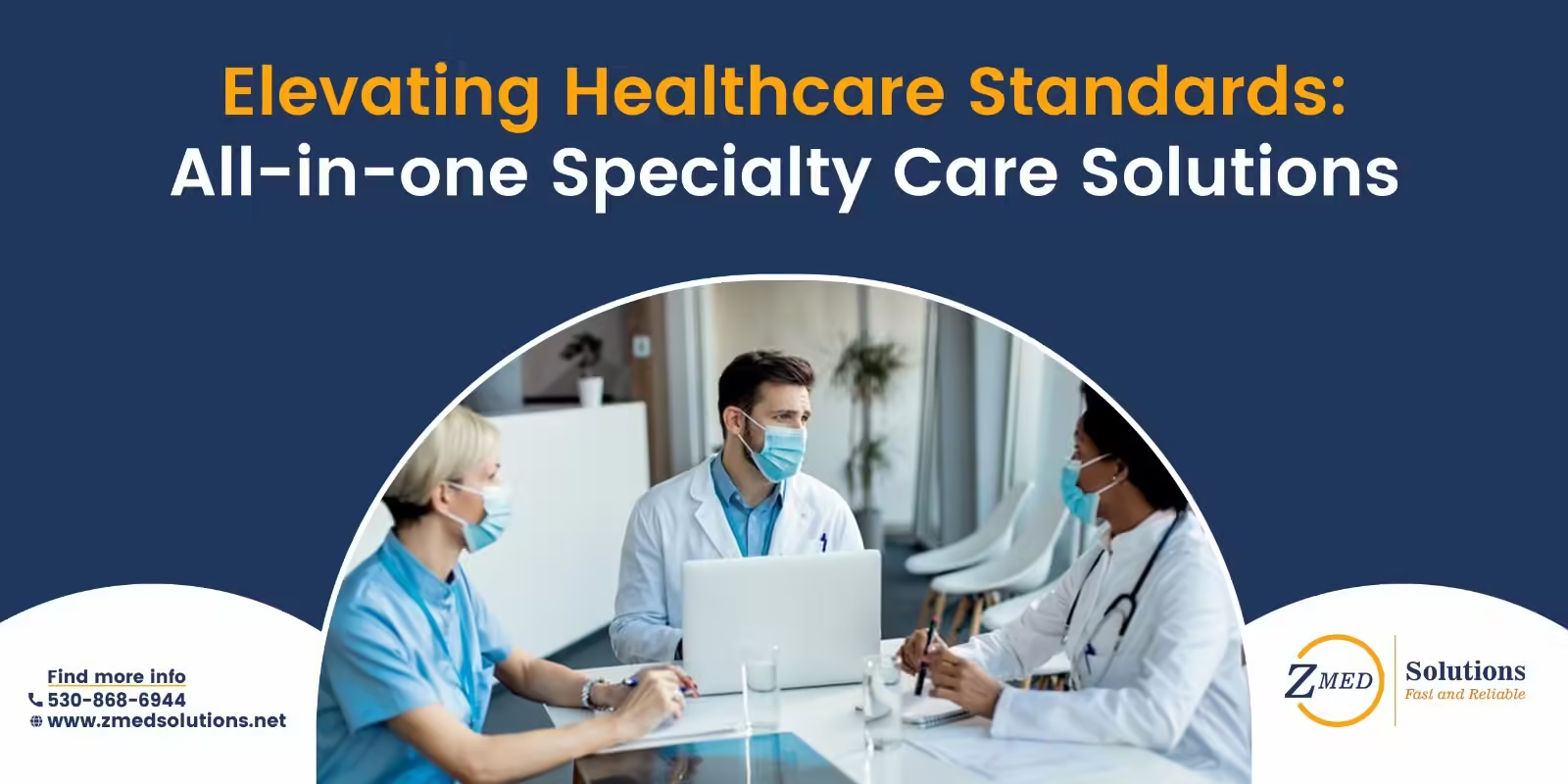
In a world where healthcare needs continue to evolve, the quest for elevating healthcare standards has become paramount. The traditional approach to healthcare, with its fragmented systems and disjointed services, often falls short in meeting the complex needs of patients, particularly those requiring specialty care. However, amidst these challenges, the emergence of all-in-one specialty care solutions offers a promising avenue for enhancing the delivery of healthcare services.
Basic Information
Understanding the need for elevating healthcare standards is crucial in addressing the shortcomings of current healthcare systems. The demand for specialty care solutions stems from the recognition that traditional models often lack the coordination, efficiency, and patient-centered focus necessary to deliver optimal outcomes.
Current Challenges in Healthcare
The healthcare landscape is fraught with challenges, ranging from accessibility issues to variations in service quality. Fragmented healthcare systems often result in disjointed care delivery, leading to gaps in treatment and poor patient outcomes. Accessibility barriers further exacerbate disparities in healthcare access, particularly for underserved populations.
The Concept of All-In-One Specialty Care Solutions
All-in-one specialty care solutions represent a paradigm shift in healthcare delivery. These comprehensive models integrate various aspects of specialty care, ranging from diagnosis and treatment to post-care management, under one cohesive framework. By consolidating services and streamlining processes, all-in-one specialty care solutions aim to optimize patient outcomes while improving operational efficiency.
Integrated Healthcare Platforms
Integrated healthcare platforms serve as the cornerstone of all-in-one specialty care solutions. These platforms leverage technology to facilitate seamless collaboration and information exchange among healthcare providers, enabling a holistic approach to patient care. By breaking down silos and fostering interdisciplinary collaboration, integrated healthcare platforms enhance care coordination and continuity.
Technology in Specialty Care
Technology plays a pivotal role in advancing specialty care delivery. Telemedicine platforms enable remote consultations and virtual visits, eliminating geographical barriers to care access. Electronic Health Records (EHR) integration streamlines documentation and facilitates data-driven decision-making, enhancing clinical efficiency and patient safety.
Patient-Centered Care Approaches
At the heart of all-in-one specialty care solutions lies a commitment to patient-centered care. Personalized treatment plans tailored to individual patient needs prioritize patient preferences and values, fostering a collaborative and empowering care environment. Through enhanced communication and shared decision-making, patients become active participants in their healthcare journey.
Streamlining Referral Processes
Optimizing referral processes is essential in ensuring timely access to specialty care services. By implementing referral management solutions, healthcare organizations can streamline the referral process, reducing wait times and improving patient satisfaction. Clear communication channels and standardized referral protocols enhance care coordination and facilitate seamless transitions between providers.
Enhancing Communication and Collaboration
Effective communication and collaboration are fundamental to the success of all-in-one specialty care solutions. By fostering open lines of communication between specialists and primary care providers, healthcare organizations can facilitate care continuity and prevent information gaps. Collaborative platforms and multidisciplinary care teams promote knowledge sharing and enhance clinical decision-making.
Addressing Socioeconomic Factors
Acknowledging the impact of socioeconomic factors on healthcare access is essential in designing equitable specialty care solutions. Addressing social determinants of health through community partnerships and outreach programs ensures that vulnerable populations receive comprehensive care and support services. By addressing underlying social inequalities, healthcare organizations can promote health equity and reduce disparities in healthcare outcomes.
Training and Education for Healthcare Professionals
Continuous training and education are paramount in equipping healthcare professionals with the knowledge and skills necessary to deliver high-quality specialty care. Interdisciplinary training programs foster collaboration and promote a culture of lifelong learning among healthcare providers. Emphasizing evidence-based practices and research initiatives ensures that specialty care delivery remains grounded in scientific rigor and best practices.
Quality Assurance and Accreditation
Maintaining high standards of quality and safety is a cornerstone of all-in-one specialty care solutions. Accreditation bodies set rigorous standards for healthcare facilities, ensuring compliance with best practices and regulatory requirements. Continuous quality improvement initiatives, such as performance evaluations and outcome assessments, drive organizational excellence and promote a culture of accountability.
Financial Considerations and Sustainability
Financial considerations play a pivotal role in the sustainability of specialty care practices. Cost-effective strategies, such as value-based care models and bundled payment systems, incentivize efficient resource utilization while maintaining high-quality outcomes. Reimbursement reforms aimed at aligning incentives with patient outcomes encourage providers to deliver evidence-based, patient-centered care while controlling costs.
Innovations in Specialty Care Delivery
Innovations in specialty care delivery are reshaping the healthcare landscape, offering new avenues for improving patient outcomes and operational efficiency. Robotics and automation technologies enhance surgical precision and minimize invasiveness, leading to faster recovery times and reduced complications. Precision medicine approaches leverage genetic insights to tailor treatments to individual patient profiles, optimizing therapeutic efficacy and minimizing adverse effects.
Global Perspectives on Specialty Care
Specialty care delivery varies across different healthcare systems, reflecting unique cultural, economic, and regulatory contexts. International collaborations and knowledge exchange initiatives facilitate the sharing of best practices and promote innovation in specialty care delivery. Lessons learned from global healthcare initiatives inform domestic policy decisions and drive continuous improvement in healthcare delivery models.
Ethical and Legal Implications
Navigating the ethical and legal complexities of specialty care requires careful consideration of patient rights, privacy concerns, and professional responsibilities. Adhering to ethical principles, such as beneficence, non-maleficence, and respect for patient autonomy, guides decision-making and promotes patient-centered care. Legal frameworks governing specialty care practices ensure compliance with regulatory requirements and safeguard patient confidentiality and privacy.
Measuring Success and Outcomes
Measuring success in specialty care requires comprehensive evaluation of clinical outcomes, patient experiences, and operational performance. Key performance indicators, such as readmission rates, patient satisfaction scores, and clinical quality metrics, provide valuable insights into the effectiveness of specialty care programs. Continuous monitoring and data analytics enable healthcare organizations to identify areas for improvement and drive evidence-based practice initiatives.
Future Directions in Specialty Care
The future of specialty care holds promise for transformative advancements in healthcare delivery and patient outcomes. Predictive analytics and artificial intelligence empower providers to anticipate patient needs and proactively intervene to prevent adverse events. Virtual reality simulations and immersive technologies enhance medical training and procedural competency, revolutionizing healthcare education and workforce development.
Frequently Asked Questions
What are all-in-one specialty care solutions?
All-in-one specialty care solutions refer to comprehensive healthcare models that integrate various aspects of specialty care, including diagnosis, treatment, and post-care management, within a unified framework. These solutions aim to streamline care delivery, enhance patient outcomes, and improve operational efficiency.
How do integrated healthcare platforms contribute to all-in-one specialty care solutions?
Integrated healthcare platforms facilitate seamless collaboration and information exchange among healthcare providers, enabling a coordinated approach to patient care. By consolidating patient data, streamlining workflows, and promoting interdisciplinary communication, integrated platforms enhance care coordination and continuity across specialties.
What role does technology play in specialty care delivery?
Technology plays a pivotal role in advancing specialty care delivery by enabling remote consultations, facilitating electronic health record (EHR) integration, and promoting telemedicine services. These technological innovations improve access to care, enhance clinical efficiency, and empower patients to actively participate in their healthcare journey.
How can healthcare organizations address socioeconomic factors in specialty care delivery?
Healthcare organizations can address socioeconomic factors by implementing community partnerships, outreach programs, and support services aimed at addressing social determinants of health. By collaborating with local agencies, advocacy groups, and community stakeholders, healthcare organizations can ensure equitable access to specialty care services for all patients.
What are the ethical and legal considerations in specialty care practices?
Ethical considerations in specialty care practices include respecting patient autonomy, maintaining confidentiality, and upholding professional integrity. Legal frameworks govern specialty care practices, ensuring compliance with regulatory requirements, patient rights, and privacy laws. Healthcare providers must navigate these complexities while delivering high-quality, patient-centered care.
How do healthcare organizations measure success and outcomes in specialty care?
Healthcare organizations measure success and outcomes in specialty care through comprehensive evaluation of clinical metrics, patient experiences, and operational performance. Key performance indicators, such as readmission rates, patient satisfaction scores, and quality metrics, provide valuable insights into the effectiveness of specialty care programs and drive continuous improvement initiatives.
What are the future directions of specialty care?
The future of specialty care is marked by advancements in predictive analytics, artificial intelligence, and virtual reality technologies. Predictive analytics enable proactive intervention and personalized care delivery, while artificial intelligence enhances diagnostic accuracy and treatment efficacy. Virtual reality simulations revolutionize medical education and procedural training, shaping the future of specialty care delivery and workforce development.
Final Thoughts
Elevating healthcare standards through all-in-one specialty care solutions is imperative in addressing the evolving needs of patients and healthcare systems. By embracing integrated platforms, leveraging technology, and prioritizing patient-centered care approaches, healthcare organizations can enhance the delivery of specialty services while promoting equitable access and optimal outcomes. As we navigate the complexities of modern healthcare, a commitment to innovation, collaboration, and continuous improvement will pave the way for a healthier and more resilient future.
Key Market Player
Ready to optimize your medical billing and boost your revenue? Look no further. Zmed Solutions LLC is your trusted partner in professional Medical Billing Services.
Join hundreds of satisfied healthcare providers who have already elevated their revenue with our expert services. Don't miss out on what could be your practice's most profitable decision.
Schedule a Consultation Today!
Contact Us Now, and experience the difference. Your financial success starts here!