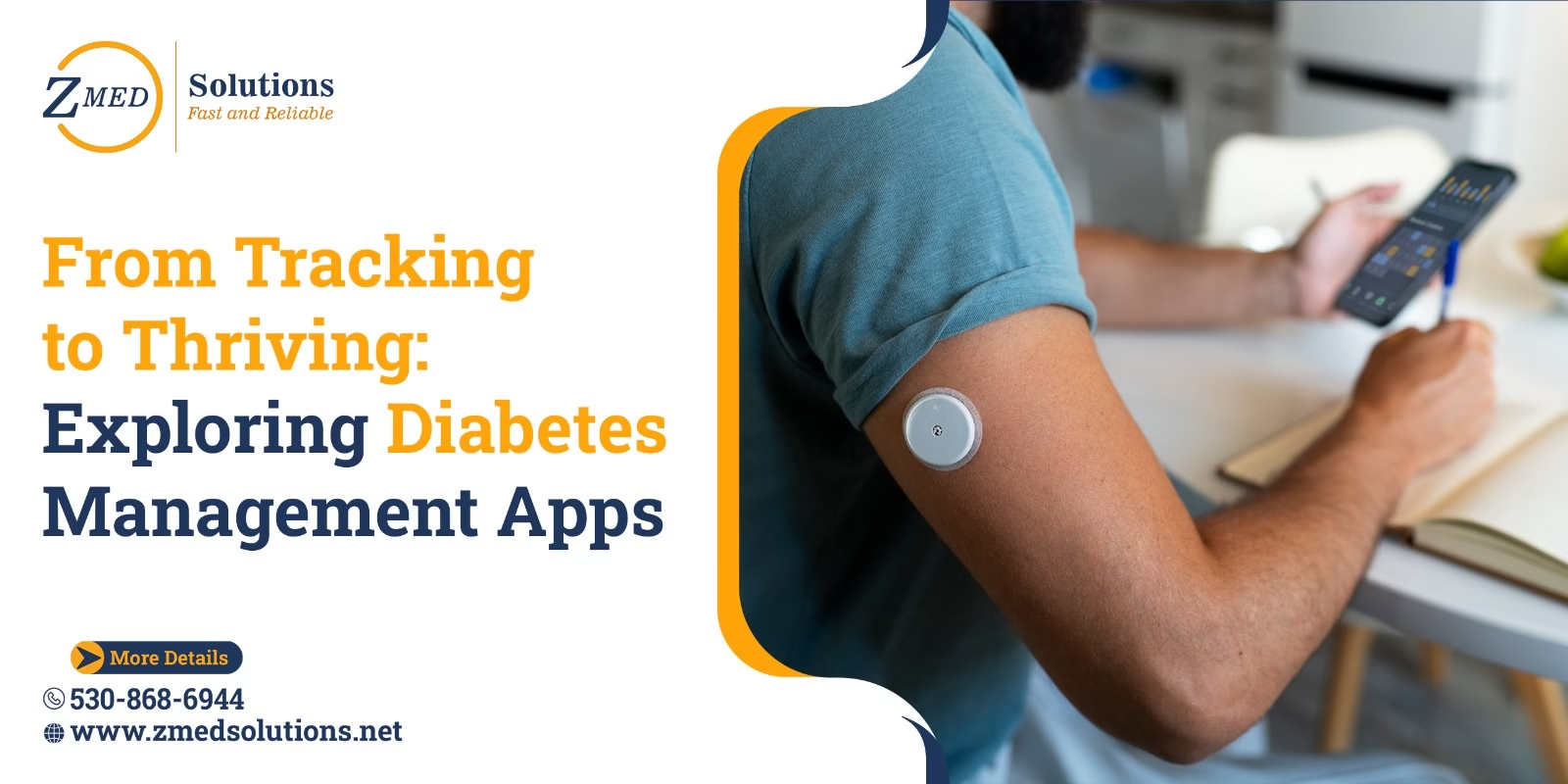
Diabetes management is an increasingly vital aspect of modern healthcare, given the growing prevalence of this chronic condition globally. With the advancement of technology, diabetes management apps have emerged as valuable tools to assist individuals in monitoring their blood glucose levels, tracking their diet and exercise habits, managing medications, and receiving personalized insights and recommendations for better health outcomes.
Understanding Diabetes Management Apps
These apps are specifically designed to cater to the needs of individuals living with diabetes, providing them with convenient and accessible ways to track and manage various aspects of their condition. They often offer features such as:
- Glucose Monitoring: Allows users to track their blood glucose levels regularly and analyze trends over time.
- Diet and Nutrition Tracking: Enables users to log their meals and monitor their carbohydrate intake, helping them make informed dietary choices.
- Exercise and Activity Tracking: Helps users keep track of their physical activity levels and set goals for staying active.
- Medication Management: Provides reminders for taking medications on time and tracking insulin doses.
- Integration with Wearable Devices: Some apps are compatible with wearable devices such as glucose meters and fitness trackers, allowing for seamless data syncing and analysis.
Benefits of Using Diabetes Management Apps
The utilization of diabetes management apps offers several benefits for individuals living with diabetes:
- Improved Blood Glucose Control: By regularly monitoring their blood glucose levels and adhering to medication and lifestyle recommendations, users can achieve better control over their condition.
- Enhanced Medication Adherence: Reminders and tracking features help users stay on top of their medication schedules, reducing the risk of missed doses.
- Personalized Insights and Recommendations: Many apps use data analytics to provide users with personalized insights and recommendations based on their individual health data and goals.
- Remote Monitoring and Support: Users can share their data with healthcare providers and receive remote monitoring and support, reducing the need for frequent in-person visits.
- Empowerment in Self-Care: Diabetes management apps empower users to take an active role in managing their condition, fostering a sense of control and autonomy.
Popular Diabetes Management Apps
Several diabetes management apps are available in the market, each offering a unique set of features and user experiences. Some of the most popular ones include:
- mySugr: Known for its user-friendly interface and comprehensive tracking features, mySugr offers personalized insights and coaching to help users manage their diabetes effectively.
- Blood Glucose Tracker by MyNetDiary: This app allows users to log their blood glucose readings, track their meals and physical activity, and set personalized goals for managing their diabetes.
- Glooko: Glooko is a comprehensive diabetes management platform that integrates data from various devices and apps, allowing for seamless tracking and analysis.
- Diasend: Diasend offers remote monitoring and data sharing features, enabling users to securely share their diabetes data with healthcare providers for better management and support.
Factors to Consider When Choosing a Diabetes Management App
When selecting a diabetes management app, it’s essential to consider several factors to ensure that it meets your specific needs and preferences:
- Compatibility: Check if the app is compatible with your devices and operating systems to ensure seamless integration and data syncing.
- Data Security and Privacy: Look for apps that prioritize data security and privacy, employing encryption and other security measures to protect your personal health information.
- Cost and Subscription Models: Evaluate the cost and subscription models of different apps, considering your budget and the features included in each plan.
- User Interface and Ease of Use: Choose an app with a user-friendly interface and intuitive navigation to make it easier to log data and access features.
- Customer Support: Consider the availability of customer support options, such as live chat, email, or phone support, in case you encounter any issues or have questions about using the app.
Success Stories and Testimonials
Many individuals have reported positive experiences and outcomes from using diabetes management apps to track and manage their condition. These success stories serve as inspiration and motivation for others who are seeking effective ways to manage their diabetes and improve their quality of life.
One such success story is that of Sarah, a 35-year-old woman living with type 1 diabetes. Sarah struggled for years to manage her condition effectively, often forgetting to take her insulin doses and struggling to track her blood glucose levels consistently. However, after discovering a diabetes management app that offered personalized coaching and reminders, Sarah saw significant improvements in her blood glucose control and overall well-being. With the help of the app, she was able to develop healthier habits, stay on top of her medication schedule, and achieve better control over her diabetes.
Challenges and Limitations
While diabetes management apps offer many benefits, they also come with some challenges and limitations that users should be aware of:
- Accuracy and Reliability of Data: Users should be cautious about relying solely on app-generated data for making treatment decisions, as there may be inaccuracies or discrepancies in the data collected.
- User Engagement and Adherence: Maintaining long-term engagement and adherence to app usage can be challenging for some users, especially if they struggle with technology or have competing priorities.
- Accessibility Barriers: Certain populations, such as older adults or individuals with limited access to technology, may face barriers in accessing and using diabetes management apps effectively.
Future Trends in Diabetes Management Apps
The future of diabetes management apps holds exciting possibilities, with ongoing advancements in technology and healthcare. Some emerging trends in this space include:
- Integration of Artificial Intelligence (AI) and Machine Learning: AI-powered features such as predictive analytics and personalized recommendations will become increasingly prevalent in diabetes management apps, allowing for more tailored and proactive interventions.
- Expansion of Telemedicine Features: With the rise of telemedicine and virtual care, diabetes management apps will likely incorporate more telehealth features, enabling users to connect with healthcare providers remotely for consultations and support.
- Collaboration with Healthcare Providers and Insurance Companies: Diabetes management apps will continue to integrate with healthcare systems and insurance companies, facilitating better coordination of care and reimbursement for digital health interventions.
Tips for Maximizing the Benefits of Diabetes Management Apps
To get the most out of diabetes management apps, users should follow these tips:
- Regularly Input Data: Make it a habit to log your blood glucose readings, meals, medications, and other relevant data consistently.
- Set Personalized Goals: Use the goal-setting features of the app to establish achievable targets for blood glucose control, diet, exercise, and medication adherence.
- Seek Professional Guidance: Consult with your healthcare provider or diabetes educator for personalized advice and guidance on using the app to manage your condition effectively.
- Engage with Community Support: Take advantage of online forums, support groups, and social media communities dedicated to diabetes management to connect with others and share experiences and tips.
Addressing Concerns and Misconceptions
Despite the many benefits of diabetes management apps, there are still some common concerns and misconceptions surrounding their use:
- Data Privacy and Security: Some users may worry about the privacy and security of their health data when using diabetes management apps. However, reputable apps employ stringent security measures to protect user information and comply with data protection regulations.
- Reliability of App-Generated Recommendations: Users should be cautious about blindly following app-generated recommendations without consulting with a healthcare professional, as these recommendations may not always be accurate or appropriate for their individual needs.
The Role of Healthcare Professionals
Healthcare professionals play a crucial role in supporting individuals in managing their diabetes effectively, whether through in-person consultations or remote monitoring and support. Here’s how healthcare professionals can contribute to the effective use of diabetes management apps:
- Collaboration: Healthcare providers can work collaboratively with patients to identify suitable diabetes management apps that align with their individual needs and treatment goals.
- Integration into Care Plans: Healthcare professionals can integrate app data into patients’ care plans, using the insights gathered to inform treatment decisions and adjustments.
- Education and Training: Providers can offer education and training to patients on how to use diabetes management apps effectively, ensuring they understand how to navigate the features and interpret the data.
- Monitoring and Support: Healthcare professionals can provide ongoing monitoring and support to patients using diabetes management apps, reviewing their progress, addressing any concerns or challenges, and offering guidance as needed.
Regulatory Landscape and Compliance
The regulatory landscape for diabetes management apps is evolving, with regulatory bodies such as the FDA (Food and Drug Administration) playing a role in overseeing the safety and effectiveness of these digital health tools. Key considerations regarding regulatory compliance include:
- FDA Regulations: Some diabetes management apps may be subject to FDA regulations, particularly if they meet the definition of a medical device or if they make medical claims about diagnosing, treating, or preventing diabetes.
- Health Data Protection Laws: Diabetes management apps must comply with data protection laws and regulations, such as the Health Insurance Portability and Accountability Act (HIPAA) in the United States, to ensure the privacy and security of user health information.
- Certification and Accreditation: App developers may seek certification or accreditation from regulatory bodies or third-party organizations to demonstrate compliance with industry standards and best practices.
Frequently Asked Questions
What are diabetes management apps?
Diabetes management apps are mobile applications designed to help individuals with diabetes monitor and manage various aspects of their condition, such as blood glucose levels, diet, exercise, and medication adherence.
How do diabetes management apps work?
These apps typically allow users to log data related to their diabetes management, such as blood glucose readings, meals, medications, and physical activity. They may also offer features such as data analysis, personalized recommendations, and reminders to help users stay on track with their treatment plan.
What features are commonly found in diabetes management apps?
Common features of these apps include glucose monitoring, diet and nutrition tracking, exercise and activity tracking, medication management, integration with wearable devices, personalized insights and recommendations, and remote monitoring and support.
Are diabetes management apps suitable for all types of diabetes?
Yes, these apps can be used by individuals with type 1 diabetes, type 2 diabetes, gestational diabetes, and other forms of diabetes. However, the specific features and functionalities of the app may vary, so it’s essential to choose one that meets your individual needs and preferences.
Are diabetes management apps accurate and reliable?
The accuracy and reliability of apps can vary depending on factors such as the quality of the app, the accuracy of the data inputted by the user, and the calibration of any connected devices, such as glucose meters. It’s essential to use these apps as tools to supplement, rather than replace, regular medical care and monitoring.
Are diabetes management apps secure?
Reputable apps prioritize data security and privacy, employing encryption and other security measures to protect user information. However, users should still exercise caution and choose apps from trusted developers to minimize the risk of data breaches or unauthorized access.
Can diabetes management apps replace regular medical care?
While these apps can be valuable tools for self-care and monitoring, they should not replace regular medical care or advice from healthcare professionals. It’s essential to work collaboratively with your healthcare team and use these apps as supplements to your overall treatment plan.
Are diabetes management apps covered by insurance?
Some healthcare providers and insurance companies may offer coverage or reimbursement for certain apps, particularly those that are FDA-approved or prescribed by a healthcare provider. It’s advisable to check with your insurance provider to determine what coverage options are available.
How do I choose the right diabetes management app for me?
When selecting a diabetes management app, consider factors such as compatibility with your devices, features and functionalities offered, user interface and ease of use, data security and privacy measures, cost and subscription models, and availability of customer support. It may also be helpful to read reviews and seek recommendations from healthcare professionals or other users.
Can I use multiple simultaneously?
While it’s technically possible to use multiple apps simultaneously, doing so may lead to data fragmentation and confusion. It’s generally recommended to choose one primary app that meets your needs and preferences and stick with it for consistency and ease of use.
Final Thoughts
These apps have emerged as valuable tools for individuals living with diabetes, offering a wide range of features and benefits to support their self-care efforts. From monitoring blood glucose levels to tracking diet and exercise habits, these apps empower users to take control of their health and make informed decisions about their care. While there are challenges and limitations associated with their use, the future looks promising with ongoing advancements in technology and healthcare. By collaborating with healthcare professionals, adhering to regulatory requirements, and maximizing the benefits of these digital health tools, individuals can better manage their diabetes and improve their quality of life.
Key Market Player
Ready to optimize your medical billing and boost your revenue? Look no further. Zmed Solutions LLC is your trusted partner in professional Medical Billing Services.
Join our growing network of healthcare providers who have already elevated their revenue with our expert services. Don't miss out on what could be your practice's most profitable decision.
Schedule a Consultation Today!
Contact Us Now, and experience the difference. Your financial success starts here!