In an era dominated by technological advancements, the healthcare industry has witnessed remarkable progress, significantly improving patient care and medical practices. However, this progress has also given rise to a new set of challenges, particularly concerning data security. The digitalization of patient records and medical information has made healthcare institutions vulnerable to data breaches. In this comprehensive article, we will delve into the world of healthcare data breaches, examining some of the biggest and most notorious incidents. By understanding the causes and impact of these breaches, we aim to shed light on the importance of safeguarding sensitive patient information and the measures healthcare institutions can take to enhance their data security.
Understanding Healthcare Data Breaches
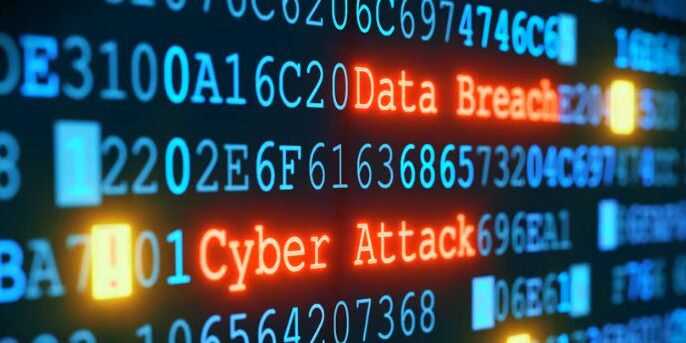
Healthcare data breaches refer to unauthorized access, disclosure, or acquisition of sensitive patient information. Cybercriminals target medical records, insurance data, and other healthcare-related information to exploit for financial gain or engage in malicious activities. As healthcare institutions store vast amounts of sensitive data, it becomes crucial to comprehend the significance of data security and the potential risks associated with breaches.
The Impact of Healthcare Data Breaches
The consequences of healthcare data breaches can be far-reaching and detrimental to both patients and healthcare providers. Breaches can erode patient trust, lead to legal actions, and cause financial losses. Understanding the impact of data breaches underscores the urgency of prioritizing robust cybersecurity measures in the healthcare sector.
Notorious Healthcare Data Breaches
Over the years, several healthcare data breaches have made headlines due to their sheer magnitude and severity. By examining historical breaches and major incidents, we can identify common vulnerabilities and shortcomings in data security measures. Learning from these high-profile breaches is essential in fortifying healthcare institutions against future threats.
Unraveling the Causes of Healthcare Data Breaches
To effectively guard against data breaches, we must first uncover their root causes. Whether it be vulnerabilities in software systems or insider threats from employees, comprehending the sources of breaches empowers healthcare institutions to address weaknesses proactively.
Learning from Past Breaches
Every data breach serves as a valuable lesson in the realm of cybersecurity. By analyzing past incidents, we can glean insights into preventive measures and best practices to avoid similar breaches in the future. Effective incident response and communication strategies are critical elements in mitigating the impact of data breaches.
Emerging Trends in Healthcare Data Breaches
The landscape of data breaches is constantly evolving, driven by advancements in technology and changes in cybercriminal tactics. Staying informed about emerging trends allows healthcare institutions to stay one step ahead of potential threats and adapt their security measures accordingly.
The Role of Cybersecurity in Safeguarding Healthcare Data
The safeguarding of healthcare data heavily relies on robust cybersecurity measures. Encryption, authentication, and access controls play pivotal roles in protecting patient information from unauthorized access and data breaches.
Compliance and Regulations for Protecting Patient Information
In response to the escalating data breach threat, regulatory bodies have formulated guidelines and requirements to protect patient information. Understanding and adhering to these regulations, such as HIPAA and GDPR, is paramount for healthcare institutions to maintain data security.
Building a Robust Data Breach Response Plan
Preparing for potential data breaches necessitates the development of a comprehensive data breach response plan. This plan outlines the necessary steps to be taken in the event of a breach, ensuring a timely and efficient response to mitigate the damage.
Training and Educating Healthcare Staff
Healthcare employees play a crucial role in maintaining data security. Educating staff about data protection best practices and fostering a culture of cybersecurity awareness can significantly reduce the risk of breaches originating from within the organization.
The Future of Healthcare Data Security
As technology continues to advance, new opportunities and challenges arise in the realm of data security. Artificial intelligence and blockchain are emerging as potential game-changers in safeguarding healthcare data from cyber threats.
Safeguarding Medical IoT Devices
The increasing prevalence of medical Internet of Things (IoT) devices introduces new vulnerabilities to healthcare data security. Addressing the unique risks associated with these devices is crucial in preventing data breaches and ensuring patient safety.
Cloud Security and Healthcare Data
Cloud storage has revolutionized data management in the healthcare industry. However, it also poses potential security risks. Implementing robust cloud security measures is essential to protect sensitive patient data stored in the cloud.
Understanding Social Engineering in Data Breaches
Social engineering techniques, such as phishing and manipulation, have become common tactics used by cybercriminals to breach data defenses. Recognizing and defending against these tactics is critical for healthcare institutions to safeguard their data.
The Psychology Behind Data Breaches
Understanding the human factors involved in data breaches is crucial to devising effective preventive strategies. Analyzing behavioral patterns and psychological aspects can provide insights into how breaches occur and how to combat them.
Spotlight on Insider Threats
Insider threats from employees with access to sensitive data pose significant risks to healthcare institutions. Raising employee awareness and implementing monitoring mechanisms can help detect and prevent insider-initiated breaches.
Securing Telemedicine Platforms
The rapid expansion of telemedicine services introduces novel security challenges. Safeguarding telemedicine platforms from cyber threats ensures that remote healthcare consultations remain secure and confidential.
Ethical Hacking for Healthcare Data Security
Ethical hacking, or penetration testing, is an essential practice for identifying vulnerabilities in data systems. Regularly conducting vulnerability scanning helps healthcare institutions proactively secure their data.
The Role of Artificial Intelligence in Data Security
Artificial intelligence offers promising capabilities in detecting anomalies and potential data breaches. Leveraging AI-driven security solutions can enhance data protection in healthcare settings.
Best Practices for Healthcare Institutions
Incorporating robust data security practices is a continuous endeavor for healthcare institutions. Conducting risk assessments and obtaining cyber insurance are essential steps in minimizing the impact of potential breaches.
Encouraging Patient Involvement in Data Protection
Empowering patients to play an active role in safeguarding their data is crucial for maintaining trust in healthcare institutions. Informed consent and respecting privacy rights are vital components of patient involvement.
Collaboration between Healthcare and Cybersecurity Experts
Bridging the gap between healthcare and cybersecurity experts fosters information sharing and joint efforts in combating data breaches. Collaboration enhances incident response capabilities and promotes proactive data security measures.
The Cost of Healthcare Data Breaches
The financial impact of data breaches on healthcare institutions can be significant. From recovery costs to reputational damage, understanding the financial implications emphasizes the need for robust data security.
Bottom Line
Healthcare data breaches remain a pressing concern in today’s digital age. The consequences of breaches can be far-reaching, impacting patient trust and institutional integrity. By learning from historical breaches and adopting preventive measures, healthcare institutions can strengthen their data security posture. Embracing emerging technologies and fostering a cybersecurity-conscious culture are critical steps in guarding against the ever-evolving threats. Safeguarding patient information is a collective responsibility, requiring collaboration between healthcare professionals, cybersecurity experts, and patients alike.
Key Market Player
Ready to optimize your medical billing and boost your revenue? Look no further. Zmed Solutions LLC is your trusted partner in professional Medical Billing Services.
Join our growing network of healthcare providers who have already elevated their revenue with our expert services. Don't miss out on what could be your practice's most profitable decision.
Schedule a Consultation Today!
Contact Us Now, and experience the difference. Your financial success starts here!