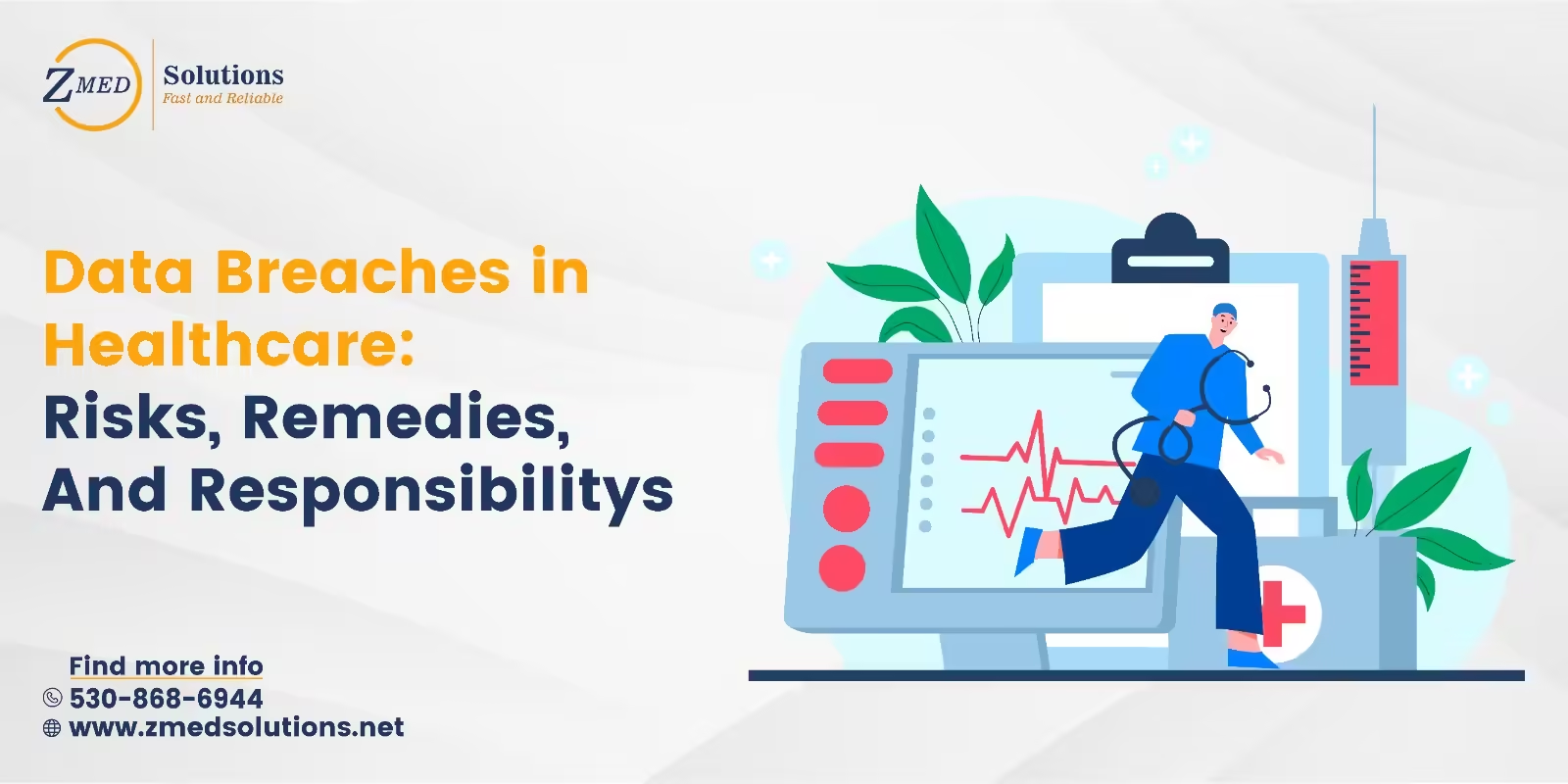
In today’s digitally-driven world, the healthcare sector faces increasing threats from data breaches. These breaches pose significant risks to patient privacy, financial stability, and legal compliance. Understanding the causes, risks, and remedies associated with healthcare data breaches is crucial for safeguarding sensitive information and upholding organizational responsibilities.
Introduction to Data Breaches in Healthcare
Definition and Scope
Healthcare data breaches occur when unauthorized individuals access, use, or disclose sensitive patient information. This information includes medical records, personal identifiers, and financial data. The scope of these breaches encompasses various healthcare entities, including hospitals, clinics, insurance companies, and pharmaceutical companies.
Importance of Data Security in Healthcare
Data security is paramount in healthcare to maintain patient trust, comply with regulations, and prevent adverse consequences. With the digitization of medical records and the widespread use of electronic health systems, protecting sensitive data from breaches is essential for ensuring quality care delivery.
Causes of Data Breaches
Human Error
One of the leading causes of healthcare data breaches is human error. This includes mistakes such as improper disposal of sensitive documents, accidental sharing of login credentials, and falling victim to phishing scams. Despite technological advancements, human factors remain a significant vulnerability in data security.
Cyber Attacks
Cyber Attacks pose a significant threat to healthcare organizations, with hackers continuously evolving their tactics to exploit vulnerabilities. These attacks may involve malware, ransomware, or denial-of-service (DoS) attacks, aiming to gain unauthorized access to patient data or disrupt healthcare operations.
Insider Threats
Insider threats, whether intentional or unintentional, present a considerable risk to healthcare data security. This includes employees, contractors, or partners who misuse their access privileges to steal or leak sensitive information. Addressing insider threats requires robust access controls and monitoring mechanisms.
Risks Associated with Healthcare Data Breaches
Patient Privacy Violations
Data breaches compromise patient privacy by exposing confidential medical information to unauthorized parties. This can lead to identity theft, medical fraud, or discrimination against affected individuals. Protecting patient privacy is fundamental to maintaining trust and compliance with regulations.
Financial Losses
Healthcare data breaches can result in significant financial losses for affected organizations. These losses may stem from regulatory fines, legal settlements, remediation costs, and loss of revenue due to reputational damage. Investing in robust cyber security measures is essential for mitigating financial risks.
Legal Consequences
Legal consequences are a major concern for healthcare organizations following data breaches. Non-compliance with data protection regulations, such as the Health Insurance Portability and Accountability Act (HIPAA) or the General Data Protection Regulation (GDPR), can lead to severe penalties and legal liabilities.
Common Vulnerabilities in Healthcare Systems
Outdated Software and Systems
Outdated software and systems are susceptible to security vulnerabilities that can be exploited by attackers. Healthcare organizations must regularly update their infrastructure and software applications to patch known vulnerabilities and mitigate risks.
Lack of Encryption
Failure to encrypt sensitive data leaves it vulnerable to interception and unauthorized access. Implementing encryption technologies helps protect data both at rest and in transit, reducing the risk of exposure in the event of a breach.
Poor Access Controls
Inadequate access controls increase the likelihood of unauthorized access to sensitive information. Healthcare organizations must implement robust access management policies, including role-based access control (RBAC) and least privilege principles, to limit access to authorized personnel only.
Impact on Healthcare Organizations
Damage to Reputation
Data breaches can tarnish the reputation of healthcare organizations, eroding patient trust and loyalty. Negative publicity surrounding a breach may deter patients from seeking care and lead to a loss of market share for affected organizations.
Loss of Trust
Trust is paramount in healthcare, and data breaches erode the trust between patients and healthcare providers. Patients expect their sensitive information to be safeguarded and may seek alternative providers if they perceive a lack of security or privacy protection.
Financial Implications
The financial implications of data breaches extend beyond immediate remediation costs. Healthcare organizations may face long-term financial repercussions due to decreased revenue, increased insurance premiums, and legal expenses associated with breach-related lawsuits.
Remedies for Data Breaches
Encryption and Data Security Measures
Implementing encryption and other data security measures is critical for protecting sensitive information from unauthorized access. This includes encrypting data both at rest and in transit, using secure communication protocols, and implementing robust authentication mechanisms.
Regular Training and Education
Training employees and stakeholders on cyber security best practices is essential for mitigating the risk of data breaches. This includes educating staff on identifying phishing attempts, safeguarding login credentials, and adhering to security protocols when handling sensitive information.
Incident Response Plans
Developing and regularly testing incident response plans helps healthcare organizations effectively respond to data breaches when they occur. These plans outline procedures for detecting, containing, and mitigating breaches, minimizing their impact on operations and patients.
Regulatory Compliance and Responsibilities
HIPAA Regulations
Compliance with the Health Insurance Portability and Accountability Act (HIPAA) is mandatory for healthcare organizations handling sensitive patient information. HIPAA establishes standards for data security, privacy, and breach notification, ensuring the protection of patient rights and confidentiality.
GDPR Compliance
Healthcare organizations operating in regions governed by the General Data Protection Regulation (GDPR) must comply with its stringent data protection requirements. GDPR mandates transparent data processing practices, robust security measures, and timely breach notification to affected individuals and regulatory authorities.
Organizational Responsibilities
Beyond regulatory compliance, healthcare organizations have a moral and ethical responsibility to safeguard patient data. This includes implementing comprehensive privacy policies, conducting regular risk assessments, and fostering a culture of security awareness among staff and stakeholders. Organizations must prioritize data protection and privacy as integral components of their operations, demonstrating their commitment to ethical standards and patient trust.
Collaborative Efforts in Data Protection
Industry Partnerships
Collaborative efforts among healthcare organizations, technology providers, and cyber security experts are essential for combating data breaches. Industry partnerships facilitate knowledge sharing, threat intelligence collaboration, and the development of best practices to enhance data protection across the healthcare ecosystem.
Government Initiatives
Government agencies play a vital role in promoting cyber security within the healthcare sector through regulatory enforcement and support programs. Initiatives such as cyber security grants, information sharing platforms, and regulatory guidance help healthcare organizations strengthen their security posture and comply with relevant regulations.
Sharing Best Practices
Sharing best practices and lessons learned from past data breaches fosters a culture of continuous improvement within the healthcare industry. Collaborative forums, industry conferences, and online communities provide platforms for professionals to exchange insights, strategies, and innovative approaches to data protection.
Future Trends in Healthcare Data Security
Artificial Intelligence and Machine Learning
Artificial intelligence (AI) and machine learning (ML) technologies hold promise for enhancing healthcare data security through predictive analytics, anomaly detection, and automated threat response. AI-powered systems can identify suspicious behavior patterns, detect emerging threats, and adapt security measures in real-time to mitigate risks.
Blockchain Technology
Blockchain technology offers a decentralized and immutable platform for securely storing and sharing healthcare data. By leveraging blockchain’s cryptographic features and consensus mechanisms, healthcare organizations can ensure data integrity, traceability, and auditability, reducing the risk of unauthorized tampering or manipulation.
Enhanced Cyber security Measures
Continued investment in cyber security measures is essential to stay ahead of evolving threats and vulnerabilities. Healthcare organizations must adopt a multi-layered approach to security, incorporating endpoint protection, network segmentation, threat intelligence, and proactive monitoring to detect and respond to threats effectively.
Frequently Asked Questions
What are the primary causes of data breaches in healthcare?
Data breaches in healthcare are often caused by human error, cyber attacks, and insider threats. Human error includes mistakes such as improper disposal of sensitive documents or falling victim to phishing scams. Cyber Attacks involve malicious actors exploiting vulnerabilities in systems or networks to gain unauthorized access to data. Insider threats stem from employees or partners misusing their access privileges to steal or leak information.
How do data breaches impact healthcare organizations financially?
Data breaches can result in significant financial losses for healthcare organizations, including regulatory fines, legal settlements, remediation costs, and loss of revenue due to reputational damage. Additionally, organizations may face increased insurance premiums and ongoing expenses associated with implementing enhanced security measures to prevent future breaches.
What role do regulations like HIPAA and GDPR play in healthcare data security?
Regulations such as the Health Insurance Portability and Accountability Act (HIPAA) and the General Data Protection Regulation (GDPR) establish standards for data security, privacy, and breach notification in the healthcare sector. Compliance with these regulations is mandatory for healthcare organizations handling sensitive patient information, ensuring the protection of patient rights and confidentiality.
How can healthcare organizations improve their incident response to data breaches?
Healthcare organizations can improve their incident response to data breaches by developing and regularly testing comprehensive incident response plans. These plans should outline procedures for detecting, containing, and mitigating breaches, as well as protocols for communicating with affected individuals, regulatory authorities, and other stakeholders.
What are some emerging trends in healthcare data security?
Emerging trends in healthcare data security include the adoption of artificial intelligence and machine learning for predictive analytics and threat detection, the use of blockchain technology for secure data storage and sharing, and the implementation of enhanced cyber security measures such as endpoint protection and proactive monitoring.
Final Thoughts
Data breaches pose significant risks to the confidentiality, integrity, and availability of healthcare information. Understanding the causes, risks, and remedies associated with healthcare data breaches is essential for mitigating vulnerabilities, protecting patient privacy, and upholding organizational responsibilities. By prioritizing data security, compliance with regulations, and collaborative efforts, healthcare organizations can safeguard sensitive information and maintain trust with patients and stakeholders.
Key Market Player
Ready to optimize your medical billing and boost your revenue? Look no further. Zmed Solutions LLC is your trusted partner in professional Medical Billing Services.
Join our growing network of healthcare providers who have already elevated their revenue with our expert services. Don't miss out on what could be your practice's most profitable decision.
Schedule a Consultation Today!
Contact Us Now, and experience the difference. Your financial success starts here!