The field of medicine has made tremendous strides in improving patient care, diagnosis, and treatment over the years. However, with the ever-evolving landscape of healthcare, the need for a rigorous system to verify the qualifications and competence of medical professionals has become increasingly important. This is where medical credentialing comes into play.
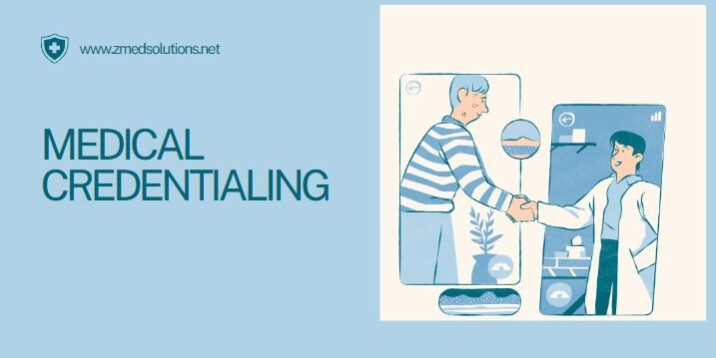
Medical credentialing, often referred to as provider credentialing or physician credentialing, is a systematic process that ensures healthcare providers meet specific standards and possess the necessary qualifications to provide safe and high-quality care. This process is not only crucial for patient safety but also for the success and reputation of healthcare organizations.
In this article, we will delve deep into the world of medical credentialing, discussing its significance, the step-by-step process, the importance of ongoing credentialing, and how it impacts patient care and healthcare organizations.
The Significance of Medical Credentialing
Ensuring Patient Safety
Patient safety is at the heart of medical credentialing. When patients seek medical care, they entrust their health and well-being to healthcare providers. Credentialing helps ensure that the individuals providing care are qualified, competent, and capable of delivering safe and effective treatments.
By verifying the education, training, licensure, and experience of healthcare providers, credentialing serves as a vital safeguard against unqualified practitioners. This is particularly important in fields like surgery, where the stakes are high, and errors can have severe consequences.
Upholding Professional Standards
Medical credentialing also plays a crucial role in maintaining the high standards of the medical profession. It ensures that healthcare providers adhere to ethical guidelines, follow best practices, and stay current with advancements in their respective fields.
This process holds medical professionals accountable for their actions and promotes a culture of continuous learning and improvement. It helps identify practitioners who may be engaging in unethical or unsafe practices and allows for appropriate action to be taken, such as suspending or revoking their privileges.
Enhancing Organizational Reputation
Healthcare organizations, including hospitals, clinics, and medical groups, benefit significantly from medical credentialing. By ensuring that their providers are well-credentialed, these organizations can build a reputation for delivering high-quality care.
A strong reputation not only attracts patients but also establishes trust within the community. Patients are more likely to choose healthcare providers affiliated with reputable organizations, leading to increased patient volume and revenue for the organization.
Meeting Regulatory and Insurance Requirements
Medical credentialing is not just a choice; it’s often a legal and contractual requirement. Healthcare organizations must adhere to state and federal regulations, as well as the standards set by insurance companies. Credentialing is a means of demonstrating compliance with these regulations and ensuring reimbursement for services rendered.
Failure to comply with these requirements can lead to legal consequences, loss of reimbursement, and even the closure of healthcare facilities. Therefore, medical credentialing is an essential part of healthcare management and administration.
The Credentialing Process: Step by Step
The medical credentialing process is a multifaceted and meticulous procedure designed to assess the qualifications, competence, and ethical conduct of healthcare providers. It typically involves several steps, each aimed at ensuring that only qualified individuals are granted privileges to practice within a healthcare organization. Below is an in-depth exploration of the credentialing process:
Application Submission
The credentialing process begins when a healthcare provider submits an application to a healthcare organization or a credentialing body. This application typically includes detailed information about the provider’s education, training, licensure, work history, and professional references.
Primary Source Verification
Once the application is received, the credentialing organization conducts primary source verification. This step involves independently verifying the information provided by the healthcare provider by directly contacting the original sources. For example, the organization may verify the authenticity of medical degrees by contacting medical schools and verify licenses with state licensing boards.
Primary source verification is a critical step in the process as it ensures the accuracy of the information provided by the healthcare provider. Any discrepancies or inconsistencies discovered during this phase can raise red flags and require further investigation.
Professional Reference Checks
Credentialing organizations typically contact professional references provided by the healthcare provider. These references may include supervisors, colleagues, and mentors who can vouch for the provider’s clinical competence, ethical conduct, and professionalism.
Reference checks provide valuable insights into the provider’s work history and character, helping to assess their suitability for privileges within the organization.
Peer Review
Peer review is a fundamental aspect of the credentialing process. It involves the evaluation of a healthcare provider’s clinical competency by their peers, typically individuals practicing in the same specialty or subspecialty. Peer review assesses factors such as the provider’s clinical knowledge, skill, judgment, and patient outcomes.
Peer review committees, consisting of experienced clinicians, analyze the provider’s clinical records, cases, and outcomes. This process aims to identify any potential concerns about the provider’s clinical performance.
Background Check
A thorough background check is conducted to ensure that the healthcare provider has not been involved in any criminal activities or malpractice suits that could raise concerns about their fitness to practice medicine. This step is crucial in protecting patient safety and upholding the organization’s reputation.
Credentialing Committee Review
After completing the verification steps, the credentialing committee, composed of medical professionals and administrators, reviews all the gathered information. This committee evaluates the provider’s qualifications, competence, and ethical conduct based on the data collected during the credentialing process.
Decision and Privilege Granting
Based on the committee’s assessment, a decision is made regarding the healthcare provider’s credentials. If the provider meets all the requirements and standards, they are granted privileges to practice within the organization. These privileges specify the scope of practice and may include restrictions if any concerns were identified during the credentialing process.
Ongoing Monitoring and Re-credentialing
Credentialing is not a one-time event; it is an ongoing process. Healthcare organizations are responsible for monitoring the ongoing competence and ethical conduct of their providers. Re-credentialing typically occurs at regular intervals, often every two years, to ensure that healthcare providers continue to meet the organization’s standards.
During re-credentialing, providers must provide updated information about their qualifications, work history, and any changes in their practice. The organization conducts additional background checks and reviews the provider’s performance and outcomes during the previous credentialing period.
Privilege Renewal or Modification
Based on the results of re-credentialing, the organization may renew the provider’s privileges without changes, modify the privileges based on performance, or suspend or revoke privileges if significant concerns are identified.
This comprehensive and meticulous process ensures that healthcare providers consistently meet high standards of care and professionalism, enhancing patient safety and organizational reputation.
The Role of Ongoing Credentialing
As mentioned earlier, credentialing is not a one-time event; it is an ongoing process. Ongoing credentialing, also known as re-credentialing or re-verification, is essential for maintaining the quality and safety of patient care. Here’s why ongoing credentialing is crucial:
Ensures Continued Competence
Medical knowledge and practices are constantly evolving. Ongoing credentialing ensures that healthcare providers stay up-to-date with the latest advancements and continue to demonstrate competence in their respective fields. This is particularly vital in fast-paced specialties like surgery and emergency medicine.
Identifies Performance Issues
Over time, healthcare providers may encounter challenges that affect their clinical performance. Ongoing credentialing provides a mechanism for identifying and addressing these issues promptly. For example, a surgeon with a declining success rate in procedures can be identified through ongoing performance reviews and provided with additional training or support.
Responds to Changes in Licensure and Malpractice History
Healthcare providers may experience changes in their licensure status or become involved in malpractice suits after their initial credentialing. Ongoing credentialing ensures that such changes are promptly detected and evaluated. If a provider’s license is suspended or they are involved in a significant malpractice case, their privileges may need to be modified or revoked to protect patient safety.
Adapts to Organizational Needs
As healthcare organizations evolve and expand, their needs for specific specialties or services may change. Ongoing credentialing allows organizations to modify their provider network to meet these changing needs. For example, if a hospital starts offering a new subspecialty service, it can initiate the credentialing process to bring in qualified providers for that service.
Demonstrates Commitment to Quality
Ongoing credentialing sends a clear message to patients and the community that a healthcare organization is committed to maintaining high-quality standards of care. It instills confidence in patients, who can trust that the providers delivering care are continually evaluated and held to rigorous standards.
The Impact of Medical Credentialing on Patient Care
The significance of medical credentialing becomes most evident in its impact on patient care. Credentialing directly influences the quality, safety, and satisfaction of the healthcare experience for patients. Here’s how it affects patient care:
Enhanced Quality of Care
Credentialing ensures that healthcare providers are qualified and competent in their respective specialties. When patients receive care from credentialed providers, they can have confidence in the quality of care they are receiving. This enhances the overall quality of healthcare services and outcomes.
Improved Patient Safety
Patient safety is a paramount concern in healthcare. Credentialing plays a crucial role in identifying and addressing potential risks to patient safety. By verifying providers’ qualifications and monitoring their performance, credentialing helps prevent medical errors, misdiagnoses, and other adverse events.
Timely Access to Care
Patients often seek healthcare services during critical moments of illness or injury. Credentialing ensures that healthcare organizations have a pool of qualified providers ready to deliver care promptly. This reduces wait times and ensures that patients receive timely treatment, which can be especially critical in emergency situations.
Trust and Confidence
Patients place their trust in healthcare providers, and trust is a fundamental element of the patient-provider relationship. Knowing that their healthcare provider has undergone a rigorous credentialing process instills confidence in patients. This trust leads to better communication, adherence to treatment plans, and overall patient satisfaction.
Accountability and Recourse
In the rare event of a medical error or substandard care, credentialing provides a mechanism for accountability. Patients who experience adverse events have recourse through the healthcare organization’s credentialing and disciplinary processes. This ensures that providers who fail to meet standards are held accountable for their actions.
Continuity of Care
Ongoing credentialing ensures that healthcare providers maintain their competence over time. This is particularly important for patients with chronic conditions who require long-term care. Continuity of care ensures that patients receive consistent, high-quality care from their healthcare providers throughout their treatment journey.
The Impact of Medical Credentialing on Healthcare Organizations
Medical credentialing not only benefits patients but also has a significant impact on healthcare organizations. Here’s how it affects the success and reputation of healthcare institutions:
Reputation and Branding
Healthcare organizations with a strong commitment to credentialing build a reputation for excellence in patient care. This reputation attracts patients seeking high-quality healthcare services, leading to increased patient volume and revenue.
Risk Management
Credentialing is a critical component of risk management for healthcare organizations. By ensuring that providers meet high standards of competence and ethical conduct, organizations mitigate the risk of medical errors, malpractice claims, and adverse events that could lead to legal and financial liabilities.
Compliance and Reimbursement
Credentialing is often a requirement for compliance with state and federal regulations and insurance company contracts. Organizations that fail to credential their providers risk losing reimbursement for services rendered. This can have a significant financial impact on healthcare organizations.
Provider Retention and Recruitment
Credentialed providers are more likely to stay with healthcare organizations that prioritize their professional development and well-being. Credentialing programs that support ongoing education and career advancement can enhance provider retention and attract new talent to the organization.
Quality Improvement
Credentialing processes provide valuable data and insights that can be used for quality improvement initiatives. By analyzing performance data, healthcare organizations can identify areas for improvement, implement targeted interventions, and enhance the overall quality of care provided.
Legal Protection
Credentialing can offer legal protection to healthcare organizations. If a provider’s actions result in harm to a patient, the organization can demonstrate that it took reasonable steps to ensure the provider’s competence and ethical conduct. This can be crucial in defending against malpractice claims.
Challenges and Considerations in Medical Credentialing
While medical credentialing offers numerous benefits, it also comes with challenges and considerations that healthcare organizations and providers must address:
Administrative Burden
The credentialing process can be administratively complex and time-consuming. Healthcare organizations must allocate resources to manage the paperwork, verification processes, and committee reviews involved in credentialing.
Provider Burnout
Providers may perceive the credentialing process as burdensome and time-consuming. Balancing clinical responsibilities with credentialing requirements can lead to provider burnout. Healthcare organizations must find ways to streamline the process and minimize its impact on providers.
Credentialing Backlog
Credentialing organizations may face backlogs in processing applications, which can delay providers’ ability to deliver care. Addressing these backlogs is crucial to ensure timely access to care for patients.
Data Security
The collection and storage of sensitive provider information during credentialing raise concerns about data security and privacy. Healthcare organizations must implement robust data security measures to protect provider information from breaches.
Evolving Standards
Credentialing standards and regulations are subject to change. Healthcare organizations must stay up-to-date with these changes and ensure that their credentialing processes remain compliant.
Telemedicine and Remote Practice
The rise of telemedicine and remote practice has added complexity to credentialing. Healthcare organizations must adapt their credentialing processes to accommodate providers who may practice across state lines or from remote locations.
Frequently Asked Questions
What is medical credentialing?
Medical credentialing, also known as provider credentialing or physician credentialing, is a systematic process that verifies and evaluates the qualifications, education, training, licensure, and ethical conduct of healthcare providers to ensure they meet specific standards for delivering safe and high-quality care.
Why is medical credentialing important?
Medical credentialing is essential for several reasons. It enhances patient safety by ensuring that healthcare providers are qualified and competent. It upholds professional standards, enhances organizational reputation, and helps healthcare organizations meet regulatory and insurance requirements.
Who conducts medical credentialing?
Medical credentialing is typically conducted by healthcare organizations, hospitals, clinics, and credentialing bodies. These organizations have dedicated credentialing committees or departments responsible for overseeing the credentialing process.
What information is verified during the credentialing process?
The credentialing process verifies a wide range of information, including a healthcare provider’s education, training, licensure, work history, professional references, ethical conduct, and more. This information is validated through primary source verification, reference checks, background checks, and peer review.
How long does the medical credentialing process take?
The duration of the credentialing process can vary, but it typically takes several months to complete. The timeline can be affected by factors such as the complexity of the provider’s history, the organization’s efficiency, and any backlogs in processing applications.
Is medical credentialing a one-time process?
No, medical credentialing is not a one-time event. It is an ongoing process that includes initial credentialing and subsequent re-credentialing at regular intervals, often every two years. Ongoing credentialing ensures that healthcare providers maintain their qualifications and competence over time.
What happens if a healthcare provider does not pass the credentialing process?
If a healthcare provider does not meet the organization’s credentialing standards, they may be denied privileges to practice within the organization. Alternatively, the organization may place restrictions on their privileges or require them to undergo additional training or supervision to address deficiencies.
Can healthcare providers practice without being credentialed?
In most cases, healthcare providers must be credentialed to practice within a healthcare organization, especially in hospitals and clinics. Practicing without proper credentialing can lead to legal and regulatory consequences and may result in loss of reimbursement.
How does medical credentialing impact patient care?
Medical credentialing directly impacts patient care by enhancing the quality and safety of healthcare services. Credentialed providers offer improved quality of care, enhanced patient safety, timely access to care, and increased patient trust and confidence.
How does medical credentialing benefit healthcare organizations?
Medical credentialing benefits healthcare organizations by building a strong reputation for excellence, reducing legal and financial risks, ensuring compliance with regulations and insurance contracts, enhancing provider retention and recruitment, supporting quality improvement initiatives, and offering legal protection.
What are the challenges in the medical credentialing process?
Challenges in medical credentialing include administrative burden, potential provider burnout, credentialing backlogs, data security concerns, evolving standards and regulations, and adapting to telemedicine and remote practice.
Is medical credentialing different for different types of healthcare providers?
The basic principles of medical credentialing apply to all healthcare providers, but the specific requirements and processes may vary based on the type of provider (e.g., physician, nurse, dentist, and allied health professional) and the healthcare organization’s policies and procedures.
Can patients access information about a healthcare provider’s credentials?
Yes, patients can often access information about a healthcare provider’s credentials through online directories, healthcare organization websites, or by requesting this information directly from the provider or the organization’s credentialing department. Transparency in this regard is encouraged to promote patient trust and informed decision-making.
How can healthcare organizations streamline the credentialing process?
Healthcare organizations can streamline the credentialing process by implementing electronic credentialing systems, automating certain verification tasks, maintaining up-to-date provider databases, and establishing clear communication channels with providers to ensure timely submission of required documentation.
Is medical credentialing relevant in the era of telemedicine?
Yes, medical credentialing remains highly relevant in the era of telemedicine. Healthcare organizations must adapt their credentialing processes to accommodate providers who may practice across state lines or through telehealth platforms, ensuring that they meet the same rigorous standards as in-person providers.
Bottom Line
Medical credentialing is a cornerstone of the healthcare industry, ensuring that patients receive safe, and high-quality care from qualified and competent healthcare providers. Its significance extends to both patient care and the success of healthcare organizations. By upholding professional standards, enhancing organizational reputation, and promoting accountability, medical credentialing plays a vital role in the healthcare ecosystem.
As the healthcare landscape continues to evolve, the role of medical credentialing remains indispensable. Healthcare organizations must adapt to changing standards, streamline credentialing processes, and support ongoing professional development to maintain the highest standards of patient care.
Ultimately, medical credentialing is a powerful tool that not only safeguards patient safety but also promotes trust, quality, and accountability in healthcare delivery, making it an essential component of the healthcare system.
Key Market Player
Ready to optimize your medical billing and boost your revenue? Look no further. Zmed Solutions LLC is your trusted partner in professional Medical Billing Services.
Join our growing network of healthcare providers who have already elevated their revenue with our expert services. Don't miss out on what could be your practice's most profitable decision.
Schedule a Consultation Today!
Contact Us Now, and experience the difference. Your financial success starts here!