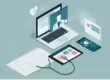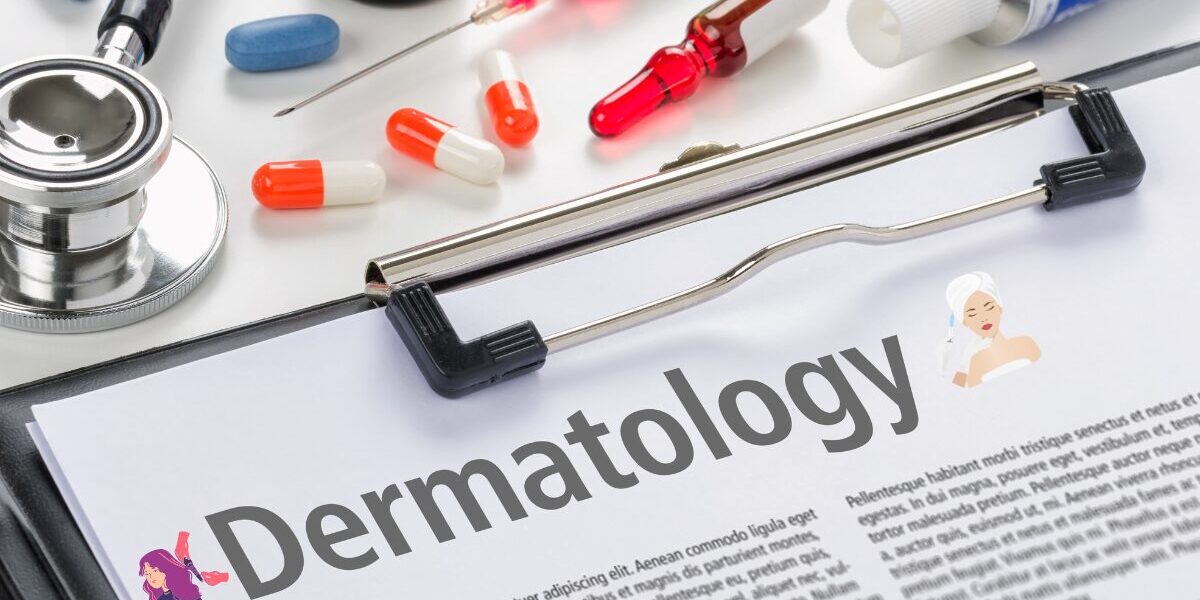
Telemedicine Platforms for Dermatology-Telemedicine, a groundbreaking innovation in healthcare delivery, has revolutionized the way medical services are accessed and provided. With advancements in technology, telemedicine platforms have become indispensable tools, offering convenient and efficient solutions for both patients and healthcare providers.
Evolution of Telemedicine in Dermatology
In recent years, telemedicine has witnessed a remarkable evolution, particularly in specialized fields such as dermatology. Historical developments paved the way for the integration of telecommunication technologies into healthcare, leading to the emergence of telemedicine as a viable alternative to traditional in-person consultations. The exponential growth of digital platforms and internet connectivity has further accelerated the adoption of telemedicine in dermatology, enabling remote diagnosis, treatment, and monitoring of skin conditions.
Understanding Dermatology Telemedicine Platforms
Dermatology telemedicine platforms encompass a wide range of digital solutions designed to facilitate remote dermatological consultations and care. These platforms leverage various technologies, including video conferencing, image sharing, and electronic medical records, to connect patients with dermatologists and other healthcare professionals. Key features typically include secure messaging, virtual visits, electronic prescriptions, and multimedia documentation tools, ensuring comprehensive and efficient remote care delivery.
Benefits of Telemedicine in Dermatology
Telemedicine offers numerous benefits for both patients and dermatology practitioners. One of the primary advantages is enhanced accessibility, allowing patients to consult with dermatologists regardless of geographical location or physical mobility. Additionally, telemedicine reduces wait times and eliminates the need for travel, making dermatological care more convenient and cost-effective for patients. From the practitioner’s perspective, telemedicine enables efficient use of resources, streamlines workflow, and improves overall patient outcomes through timely intervention and management of skin conditions.
Challenges and Limitations
Despite its many advantages, telemedicine in dermatology is not without challenges. Regulatory considerations, such as licensure requirements and reimbursement policies, vary across jurisdictions and can pose barriers to widespread adoption. Technical challenges, including connectivity issues and interoperability between different telemedicine platforms, may also impede seamless communication and data exchange. Moreover, patient acceptance and trust in remote consultations remain areas of concern, highlighting the importance of addressing privacy and security concerns to ensure widespread adoption of tele-dermatology services.
Top Telemedicine Platforms for Dermatology
Several telemedicine platforms cater specifically to dermatology, offering specialized features and functionalities tailored to the unique needs of dermatologists and their patients. Among these platforms, notable examples include:
Platform 1: DermCare Connect
Overview: DermCare Connect is a comprehensive tele-dermatology platform that enables virtual consultations, diagnosis, and treatment planning for various skin conditions.
Features: Secure messaging, image sharing, electronic prescriptions, integrated billing, and scheduling tools.
User Experience: Intuitive interface, seamless navigation, responsive customer support.
Platform 2: MetaDerm
Overview: MetaDerm is a cloud-based telemedicine platform designed to facilitate remote dermatology consultations and follow-up care.
Features: Video conferencing, virtual dermatoscope, AI-driven image analysis, electronic medical records integration.
User Experience: User-friendly interface, customizable workflows, real-time collaboration features.
Platform 3: DermLink.MD
Overview: DermLink.MD offers telemedicine solutions for dermatology practices, allowing seamless communication and collaboration between patients and providers.
Features: Virtual visits, secure messaging, image annotation tools, e-prescribing capabilities.
User Experience: Intuitive design, robust security features, HIPAA-compliant infrastructure.
Case Studies and Success Stories
Real-world examples demonstrate the effectiveness of telemedicine in dermatology and highlight its potential to improve patient outcomes and satisfaction. Case studies showcasing successful diagnosis and treatment of skin conditions via tele-dermatology platforms provide valuable insights into the practical application and benefits of remote care delivery. Patient testimonials further underscore the convenience and accessibility of telemedicine, affirming its positive impact on dermatological healthcare delivery.
Integrating Telemedicine into Dermatology Practice
For dermatology practitioners, integrating telemedicine into clinical practice requires careful planning and consideration of various factors. Establishing efficient workflows, ensuring compliance with regulatory requirements, and addressing technical infrastructure needs are essential steps in successful telemedicine implementation. Furthermore, fostering patient engagement and providing adequate support and education are crucial for maximizing the benefits of tele-dermatology services.
Future Trends and Innovations
The future of telemedicine in dermatology holds exciting possibilities, driven by advances in technology and evolving healthcare needs. Artificial intelligence and machine learning algorithms promise to enhance diagnostic accuracy and efficiency, enabling automated image analysis and predictive modeling of skin conditions. Wearable technology integration, such as smartphone-based dermatoscopes and sensors, may further expand the scope of tele-dermatology services, enabling remote monitoring and early detection of skin abnormalities. Additionally, the continued expansion of telemedicine infrastructure and services is expected to bridge gaps in access to dermatological care, particularly in rural and underserved areas.
Patient Education and Engagement
Empowering patients with knowledge and resources is essential for promoting active participation in telemedicine and fostering positive health outcomes. Patient education initiatives should focus on raising awareness about tele-dermatology services, explaining the benefits of remote consultations, and addressing common concerns related to privacy, security, and quality of care. Strategies for engaging patients in telemedicine platforms include providing user-friendly interfaces, offering educational resources and tutorials, and encouraging open communication between patients and healthcare providers. By fostering a collaborative approach to care, telemedicine platforms can empower patients to take an active role in managing their skin health and wellness.
Ensuring Data Privacy and Security
Maintaining data privacy and security is paramount in telemedicine, particularly in the context of sensitive medical information. Healthcare providers must adhere to strict regulatory standards, such as the Health Insurance Portability and Accountability Act (HIPAA), to safeguard patient confidentiality and prevent unauthorized access to protected health information. Secure transmission and storage of data, encryption protocols, and robust authentication mechanisms are essential components of a comprehensive telemedicine security framework. By prioritizing data privacy and security measures, telemedicine platforms can instill trust and confidence in patients and facilitate the widespread adoption of remote dermatological care.
Telemedicine in Rural and Underserved Areas
Telemedicine has the potential to address healthcare disparities and improve access to dermatological services in rural and underserved communities. By leveraging telecommunication technologies, healthcare providers can overcome geographical barriers and deliver quality dermatological care to patients in remote locations. Mobile telemedicine units, community outreach programs, and tele-dermatology clinics are among the innovative approaches employed to expand access to dermatological services in underserved areas. Additionally, collaboration between healthcare organizations, government agencies, and technology partners is essential for developing sustainable telemedicine infrastructure and overcoming logistical challenges in remote healthcare delivery.
Telemedicine Ethics and Professionalism
Ethical considerations are paramount in telemedicine practice, requiring adherence to established standards of professional conduct and patient care. Dermatologists and other healthcare providers must maintain the same ethical principles in remote consultations as they would in traditional face-to-face encounters, ensuring patient confidentiality, autonomy, and informed consent. Ethical dilemmas, such as diagnosing and treating patients without physical examination, navigating conflicts of interest, and ensuring equitable access to care, may arise in telemedicine practice and require careful consideration and ethical decision-making. By upholding ethical standards and professional integrity, telemedicine providers can uphold trust and confidence in remote healthcare delivery and promote positive patient outcomes.
Training and Education for Telemedicine Providers
Training and education are essential for equipping healthcare providers with the knowledge and skills necessary to deliver high-quality telemedicine services. Dermatologists and other telemedicine practitioners require specialized training in remote consultation techniques, digital health technologies, and tele-dermatology best practices. Continuing education programs, certification courses, and hands-on training opportunities are valuable resources for staying abreast of emerging trends and advancements in telemedicine practice. Moreover, interdisciplinary collaboration and peer-to-peer learning can foster a culture of innovation and excellence in telemedicine, driving continuous improvement in remote healthcare delivery and patient care outcomes.
Frequently Asked Questions
What is telemedicine?
Telemedicine refers to the remote delivery of healthcare services, including consultations, diagnosis, and treatment, using telecommunications technology.
How does telemedicine work for dermatology?
In dermatology, telemedicine involves virtual consultations between patients and dermatologists through video conferencing or secure messaging platforms. Patients can upload photos of their skin condition for evaluation, and dermatologists can provide diagnosis and treatment recommendations remotely.
What are the benefits of using telemedicine platforms for dermatology?
Telemedicine platforms offer several benefits, including increased accessibility to dermatological care, reduced wait times for appointments, cost savings on travel expenses, and improved patient outcomes through timely intervention and monitoring.
Are telemedicine consultations as effective as in-person visits for dermatology?
Research suggests that telemedicine consultations can be just as effective as in-person visits for many dermatological conditions, especially for routine follow-ups and minor skin issues. However, certain conditions may still require in-person evaluation for accurate diagnosis and treatment.
Is telemedicine secure for transmitting sensitive medical information?
Telemedicine platforms prioritize data privacy and security to ensure the confidentiality of patient information. They use encryption protocols, secure messaging systems, and compliance with regulatory standards such as HIPAA to protect sensitive medical data.
What are some common challenges of using telemedicine in dermatology?
Challenges of telemedicine in dermatology include regulatory barriers, technical issues such as connectivity problems or interoperability between platforms, and patient acceptance and trust in remote consultations.
Can telemedicine platforms integrate with electronic medical records (EMRs)?
Yes, many telemedicine platforms offer integration with EMRs. allowing seamless access to patient records and documentation of telemedicine encounters for continuity of care.
How can dermatologists ensure the quality of care in telemedicine consultations?
Dermatologists can ensure the quality of care in telemedicine consultations by adhering. To professional standards of practice, conducting thorough evaluations based on available information. And maintaining open communication with patients throughout the consultation process.
What role does patient education play in telemedicine for dermatology?
Patient education is essential in telemedicine for dermatology to empower patients. To actively participate in their care, understand treatment recommendations, and adhere to prescribed therapies. Educating patients about telemedicine services and how to use them effectively can improve engagement and satisfaction with remote consultations.
How can healthcare providers obtain training in telemedicine for dermatology?
Healthcare providers can seek training and education in telemedicine for dermatology. Through accredited programs, continuing medical education courses, and online resources offered by professional organizations and academic institutions. Hands-on training and mentorship opportunities can also enhance proficiency in remote consultation techniques and tele-dermatology practice.
Final Thoughts
Telemedicine platforms have emerged as invaluable tools for delivering dermatological care in the digital age. By leveraging telecommunication technologies. These platforms enable remote consultations, diagnosis, and treatment of skin conditions, offering numerous benefits for patients and healthcare providers alike. Despite challenges related to regulation, technology, and patient acceptance. Telemedicine holds immense promise for expanding access to dermatological services, improving patient outcomes, and addressing healthcare disparities. Moving forward, continued investment in telemedicine infrastructure. Training, and education is essential for realizing the full potential of remote dermatological care and ensuring equitable access to quality healthcare for all.
Key Market Player
Ready to optimize your medical billing and boost your revenue? Look no further. Zmed Solutions LLC is your trusted partner in professional Medical Billing Services.
Join our growing network of healthcare providers who have already elevated their revenue with our expert services. Don't miss out on what could be your practice's most profitable decision.
Schedule a Consultation Today!
Contact Us Now, and experience the difference. Your financial success starts here!