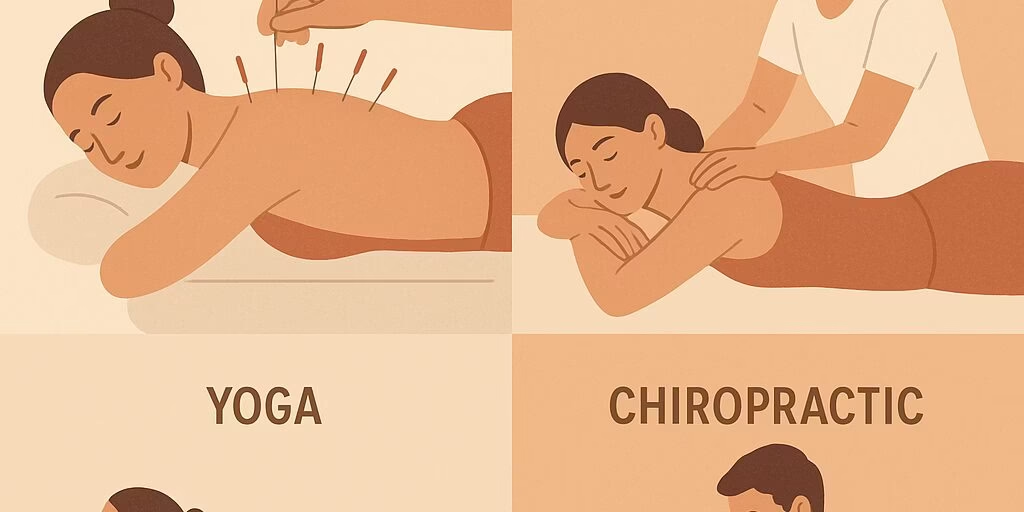
Alternative therapies for back pain-Back pain is an incredibly common problem, affecting an estimated 80% of adults at some point in their lives. It is one of the leading causes of missed workdays, disability, and reduced quality of life. Causes range from muscle strain to degenerative disc disease, arthritis, poor posture, or even stress. While conventional treatments like medication, physical therapy, and surgery are widely used, they are not always effective or desirable for every patient.
This reality has driven a surge in interest toward alternative therapies for back pain—a broad category that includes natural, holistic, and non-invasive methods designed to relieve discomfort, improve function, and restore balance without relying solely on pharmaceuticals or surgery.
These therapies often aim to:
- Address the root cause of pain rather than just masking symptoms.
- Promote overall health and prevent recurrence.
- Integrate physical, mental, and emotional well-being.
In this comprehensive guide, we’ll explore eight major categories of alternative treatments, explain how they work, review the scientific evidence, and provide tips for safe, effective use.
Understanding Back Pain and the Role of Alternative Therapies
Common Causes of Back Pain
Back pain varies greatly in cause and severity, but some of the most frequent triggers include:
- Muscle or Ligament Strain: Lifting heavy objects improperly or sudden awkward movements can strain muscles and ligaments.
- Bulging or Herniated Discs: When discs between vertebrae are damaged, they can press on nerves and cause pain.
- Arthritis: Osteoarthritis can lead to narrowing of the spinal canal (spinal stenosis), causing nerve irritation.
- Poor Posture: Long hours of sitting, especially with improper ergonomics, can create chronic strain.
- Structural Abnormalities: Scoliosis and other spinal curvatures can create uneven stress on muscles and joints.
- Stress and Emotional Factors: Chronic stress can increase muscle tension and pain perception.
Limitations of Conventional Treatments
Conventional medical approaches—while important—may have downsides:
- Medication Risks: NSAIDs and opioids can cause stomach problems, dependency, or long-term health issues.
- Surgery Risks: Even minimally invasive procedures carry risks of infection, nerve damage, or persistent pain.
- Incomplete Relief: Some patients find that standard treatments only provide partial or temporary improvement.
How Alternative Therapies Fit In?
Alternative therapies focus on whole-person healing:
- Address lifestyle factors like posture, nutrition, and stress.
- Encourage self-management strategies.
- Reduce dependence on drugs and invasive procedures.
- Can be used alongside conventional treatments for better outcomes.
Acupuncture – Balancing Energy to Relieve Pain
Origins and Principles
Acupuncture is rooted in Traditional Chinese Medicine (TCM), which teaches that energy (Qi) flows through meridians in the body. Pain and illness occur when this flow is blocked or imbalanced. Inserting thin, sterile needles into specific points is believed to restore balance and encourage healing.
How It Works (Modern Science Perspective)
Research suggests acupuncture:
- Stimulates nerve endings to release endorphins (natural painkillers).
- Increases blood flow to injured tissues.
- Modulates pain signals in the central nervous system.
- Reduces inflammation in affected areas.
Evidence
- A 08 Cochrane Review found acupuncture to be more effective than no treatment and as effective as conventional care for chronic low back pain.
- The American College of Physicians recommends acupuncture as a first-line therapy for acute and chronic low back pain.
What to Expect?
- Sessions start with a consultation to discuss symptoms.
- –0 fine needles are inserted at targeted points.
- Needles remain in place for 0–0 minutes.
- Patients often report feeling relaxed or slightly energized afterward.
Safety and Tips
- Only seek treatment from licensed acupuncturists.
- Slight soreness or light bruising can occur but usually fades quickly.
- Avoid on open wounds or active skin infections.
Chiropractic Care – Aligning the Spine for Relief
Principles
Chiropractic care focuses on spinal health. Misalignments, called subluxations, can disrupt nerve function and cause pain. Chiropractors use targeted adjustments to restore normal alignment.
Benefits
- Reduces nerve compression.
- Improves posture.
- Increases range of motion.
- Encourages self-healing through improved spinal mechanics.
Research Insights
- A 07 study in JAMA found spinal manipulation therapy reduced acute low back pain and improved function.
- Many patients report immediate relief after adjustments.
What to Expect?
- Initial visit includes a full spinal assessment, possibly X-rays.
- Adjustments involve quick, controlled thrusts to joints.
- Some use low-force techniques for sensitive patients.
Safety Considerations
- Mild soreness for –8 hours is common.
- Avoid chiropractic adjustments without clearance if you have severe osteoporosis, fractures, or certain neurological conditions.
Massage Therapy – Relaxing Muscles and Easing Pain
How It Helps?
Massage therapy addresses muscle tension, a major contributor to back pain. Benefits include:
- Better blood circulation.
- Reduction of inflammation.
- Release of trigger points.
- Lower stress hormone levels.
Best Types for Back Pain
- Deep Tissue: Targets deep muscle fibers.
- Trigger Point Therapy: Relieves specific painful knots.
- Swedish Massage: Gentle, promotes relaxation.
- Shiatsu: Uses finger pressure along energy pathways.
Scientific Support
- A 0 study in Annals of Internal Medicine found that massage therapy improved function and reduced symptoms in chronic back pain patients.
Practical Tips
- Drink plenty of water after sessions to help flush metabolic waste.
- Schedule massages weekly for severe pain, then taper to monthly maintenance.
Yoga and Pilates – Strengthening the Core for Back Health
Why Core Strength Matters?
A strong core supports the spine, improves posture, and reduces strain on back muscles.
Yoga for Back Pain
- Cat-Cow Stretch: Mobilizes the spine.
- Child’s Pose: Gently stretches the lower back.
- Cobra Pose: Opens the chest and strengthens the back.
Pilates for Spinal Health
- Pelvic Tilts: Strengthen abdominal muscles.
- Spine Stretch: Improves flexibility.
- Leg Lifts: Build hip and core strength.
Evidence
- A 00 study in Pain Medicine showed yoga reduced pain intensity and improved function in chronic low back pain sufferers.
Herbal Remedies and Supplements
Top Herbal Choices
- Turmeric (Curcumin): Anti-inflammatory properties.
- Ginger: Natural analgesic and anti-inflammatory.
- Willow Bark: Contains salicin, similar to aspirin.
- Devil’s Claw: Used for arthritis-related back pain.
Nutritional Support
- Omega- Fatty Acids: Reduce inflammation.
- Vitamin D: Supports bone strength.
- Magnesium: Prevents muscle spasms.
Mind-Body Approaches – Meditation and Mindfulness
Stress-Pain Connection
Chronic stress triggers muscle tightness, which can worsen back pain.
Mindfulness Meditation
Focuses on non-judgmental awareness of the present moment, reducing pain perception.
Guided Imagery & Relaxation
Visualizing soothing scenarios can reduce stress and discomfort.
Combining Therapies for Maximum Benefit
Integrative Approach
Many patients benefit most from combining:
- Acupuncture for pain modulation.
- Yoga for flexibility.
- Massage for muscle release.
- Mindfulness for stress control.
Success Story
A -year-old office worker combined weekly acupuncture, daily yoga stretches, and monthly massage. Within weeks, she reported an 80% reduction in pain.
Frequently Asked Questions
Alternative therapies for back pain
Are alternative therapies for back pain safe?
Yes, when performed by trained professionals, they are generally safe. Always consult your healthcare provider first.
How quickly will I see results?
Some therapies offer immediate relief, while others may require several weeks of consistent practice.
Can I use multiple therapies at the same time?
Yes, an integrative approach often yields the best results.
Will my insurance cover these treatments?
Coverage varies. Some plans include acupuncture, chiropractic, and physical therapy.
Can alternative therapies prevent future back pain?
Yes, many of these approaches strengthen the body and improve posture, reducing recurrence.
Final Thoughts
Alternative therapies for back pain offer a wide range of safe, effective, and often enjoyable strategies to improve comfort, mobility, and quality of life. Whether you choose acupuncture, chiropractic care, yoga, massage, herbal remedies, or a combination, the key is consistency and professional guidance.
Key Market Player
Ready to optimize your medical billing and boost your revenue? Look no further. Zmed Solutions LLC is your trusted partner in professional Medical Billing Services.
Join our growing network of healthcare providers who have already elevated their revenue with our expert services. Don't miss out on what could be your practice's most profitable decision.
Schedule a Consultation Today!
Contact Us Now, and experience the difference. Your financial success starts here!