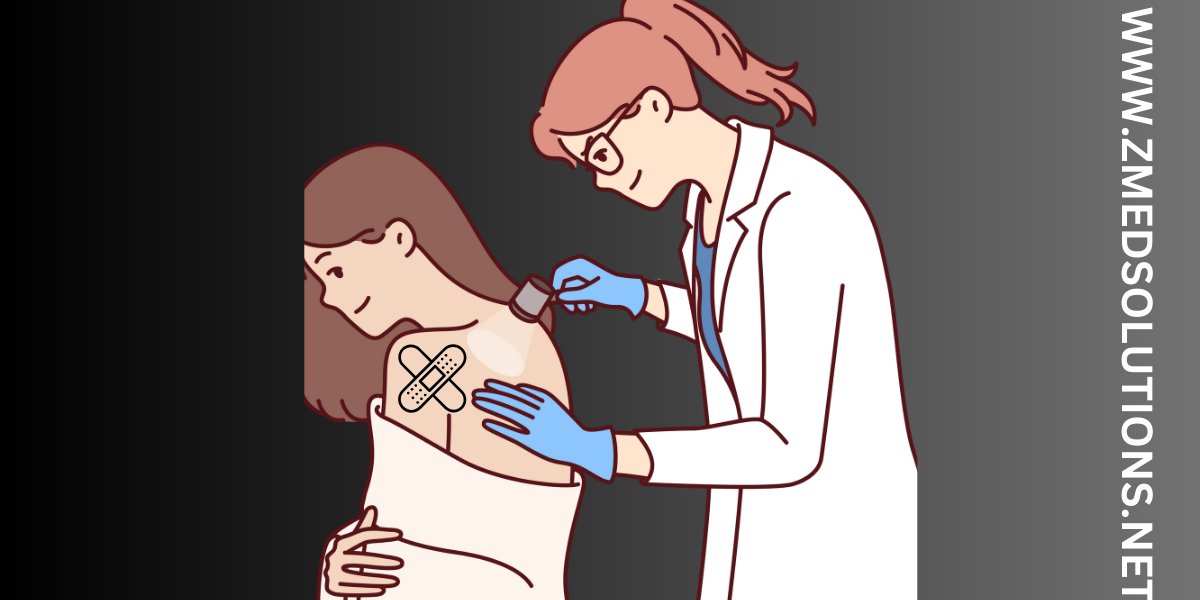
Wound care has been an integral part of healthcare for centuries, evolving from rudimentary practices to sophisticated techniques aimed at promoting optimal healing and preventing complications. In recent years, the advent of telemedicine and wearable technology has revolutionize the way wounds are managed, particularly in remote or underserved areas where access to traditional healthcare services may be limited. This article explores the concept of remote wound care management, outlining its significance, challenges, and promising solutions that leverage technology to improve patient outcomes.
Introduction to Remote Wound Care
Remote wound care refers to the provision of wound assessment, treatment, and monitoring services through telecommunication and digital technologies, allowing healthcare professionals to remotely evaluate and manage wounds without the need for in-person visits. This approach has gained traction in healthcare settings worldwide, offering numerous benefits such as increased accessibility, cost-effectiveness, and improved patient convenience.
Evolution of Wound Care Management
The history of wound care dates back to ancient times, where various remedies and practices were employe to treat injuries and promote healing. Over the years, advancements in medical knowledge and technology have led to the development of modern wound care techniques, including surgical interventions, topical treatments, and specialized dressings. Despite these advances, traditional wound care methods have limitations, particularly when it comes to providing timely and effective care to patients in remote or rural areas.
Understanding Wounds and Healing Process
Before delving into the intricacies of remote wound care management, it is essential to understand the nature of wounds and the complex process of healing. Wounds can be categorized into two main types: acute wounds, which typically result from trauma or surgery and heal within a predictable timeframe, and chronic wounds, which persist for an extended period due to underlying health issues or impaired healing mechanisms. The process of wound healing involves four overlapping phases: hemostasis, inflammation, proliferation, and remodeling, each characterized by specific cellular and biochemical events.
Challenges in Traditional Wound Care
While traditional wound care modalities have proven effective in many cases, they are not without challenges, particularly in remote or underserved communities. One of the primary obstacles is the limited availability of healthcare resources, including trained personnel, medical supplies, and infrastructure. As a result, patients living in rural or geographically isolated areas may experience delays in accessing wound care services, leading to potential complications and prolonged healing times.
Role of Technology in Remote Wound Care
The emergence of telemedicine and digital health technologies has opened up new possibilities for delivering wound care services remotely. Telemedicine platforms enable healthcare providers to conduct virtual consultations with patients, assess wound status, and provide guidance on treatment and self-care practices. Additionally, wearable devices such as smart dressings, sensors, and imaging tools allow for real-time monitoring of wounds and early detection of complications, empowering patients to take an active role in their healing process.
Establishing a Remote Wound Care Protocol
To ensure the effective implementation of remote wound care initiatives, healthcare organizations must develop comprehensive protocols and guidelines outlining the roles and responsibilities of all stakeholders involved. This includes defining standardized procedures for wound assessment, documentation, and communication, as well as protocols for patient education and follow-up care. By establishing clear protocols, healthcare providers can streamline the delivery of remote wound care services and ensure consistency in patient management across different settings.
Telemedicine Platforms for Remote Consultations
Telemedicine platforms play a central role in facilitating remote wound care consultations, enabling healthcare providers to connect with patients virtually and conduct comprehensive assessments of their wounds. These platforms typically feature secure video conferencing capabilities, as well as tools for sharing medical records, images, and other relevant data. By leveraging telemedicine technology, healthcare organizations can overcome geographical barriers and reach patients in remote or underserved areas, thereby expanding access to quality wound care services.
Utilizing Wearable Devices in Wound Management
In addition to telemedicine platforms, wearable devices have emerged as valuable tools for remote wound monitoring and management. These devices are equip with sensors and wireless connectivity, allowing for continuous measurement of key wound parameters such as temperature, moisture, and pH levels. By collecting real-time data on wound status and progression, wearable devices enable healthcare providers to detect early signs of infection or other complications and intervene promptly. Moreover, wearable technology empowers patients to monitor their wounds closely and adhere to prescribed treatment regimens, fostering greater engagement and self-management.
Remote Wound Assessment and Documentation
Accurate assessment and documentation are crucial components of effective wound care management, even in remote settings. Healthcare providers must employ standardized techniques for measuring wound size, depth, and appearance to track progress over time accurately. Additionally, detail documentation of wound characteristics, such as tissue type, exudate amount, and surrounding skin condition, helps guide treatment decisions and ensures continuity of care, particularly in cases where multiple providers are involve. By implementing robust assessment and documentation protocols, healthcare organizations can enhance communication, minimize errors, and improve patient outcomes in remote wound care settings.
Patient Education and Engagement
Empowering patients with knowledge and resources is essential for successful remote wound care management. Healthcare providers should educate patients on proper wound care techniques, including dressing changes, wound cleansing, and signs of infection or complications. Patient education materials should be accessible, culturally sensitive, and tailored to individual needs, taking into account factors such as health literacy, language proficiency, and socioeconomic status. Furthermore, fostering patient engagement through interactive tools, remote monitoring apps, and support networks encourages active participation in the healing process and promotes adherence to treatment plans.
Addressing Socioeconomic Factors in Remote Wound Care
Socioeconomic factors can significantly impact access to remote wound care services and patient outcomes. Individuals with limited financial resources or transportation options may face barriers to accessing telemedicine platforms or acquiring necessary medical supplies. Language and cultural differences can also pose challenges to effective communication and engagement with healthcare providers. To address these disparities, healthcare organizations must implement strategies to ensure equitable access to remote wound care, such as offering subsidized services, providing language interpretation services, and partnering with community organizations to reach underserved populations.
Case Studies and Success Stories
Real-life case studies and success stories serve as compelling examples of the benefits of remote wound care management. By showcasing positive outcomes and patient testimonials, healthcare organizations can demonstrate the effectiveness of telemedicine and wearable technology in improving wound healing and quality of life. Case studies may highlight instances where remote consultations led to early detection of complications, timely intervention, and positive treatment outcomes. Success stories can inspire confidence in patients and providers alike, encouraging greater adoption of remote wound care solutions and driving innovation in the field.
Regulatory and Ethical Considerations
As remote wound care continues to evolve, it is essential to address regulatory and ethical considerations to ensure patient safety and compliance with legal requirements. Telemedicine regulations vary by jurisdiction and may encompass licensure, privacy, security, and reimbursement policies. Healthcare organizations must stay abreast of relevant laws and regulations governing telehealth practices and adhere. To industry standards for data protection and patient confidentiality. Ethical considerations, such as informed consent, patient autonomy, and professional integrity, also play a vital role in remote wound care delivery, requiring careful consideration and adherence to ethical guidelines and best practices.
Future Directions and Innovations
Looking ahead, the future of remote wound care holds promise for continued innovation and advancement. Emerging technologies, such as artificial intelligence (AI) and machine learning. Have the potential to transform wound assessment, diagnosis, and treatment planning. By analyzing vast amounts of clinical data and identifying patterns and trends. Collaborative efforts between healthcare providers, technology developers, and researchers are essential for driving progress. In remote wound care and addressing unmet needs in wound management. By embracing innovation and embracing interdisciplinary collaboration. The healthcare industry can enhance the quality, accessibility, and effectiveness of remote wound care services. Ultimately improving outcomes for patients worldwide.
Frequently Asked Questions
What is remote wound care management?
Remote wound care management involves the use of telecommunication and digital technologies. To assess, treat, and monitor wounds from a distance. It allows healthcare providers to remotely evaluate wounds. Provide guidance on treatment, and monitor healing progress without the need for in-person visits.
Why is remote wound care management important?
Remote wound care management is important for several reasons. It increases accessibility to wound care services, particularly for patients in remote or underserved areas. It also promotes patient convenience by reducing the need for frequent clinic visits. Additionally, remote wound care can lead to early detection of complications, improved patient outcomes, and cost savings for healthcare systems.
What are the benefits of remote wound care management?
The benefits of remote wound care management include:
- Increased accessibility to wound care services for patients in remote or rural areas.
- Reduced travel time and costs for patients and caregivers.
- Timely intervention and early detection of wound complications.
- Improved patient satisfaction and quality of life.
- Enhanced collaboration between healthcare providers and patients.
How does remote wound care management work?
Remote wound care management typically involves the use of telemedicine platforms for virtual consultations and wearable devices. For remote monitoring of wounds. Healthcare providers can conduct virtual assessments, review images and medical records, and provide guidance. On wound care practices through telemedicine platforms. Wearable devices, such as smart dressings and sensors. Allow for continuous monitoring of wound status and early detection of changes that may indicate infection or other complications.
What technologies are used in remote wound care management?
Technologies used in remote wound care management include:
- Telemedicine platforms: Secure video conferencing tools that enable virtual consultations between healthcare providers and patients.
- Wearable devices: Smart dressings, sensors, and imaging tools. that allow for remote monitoring of wound status and parameters such as temperature, moisture, and pH levels.Electronic health records (EHR) systems: Digital platforms for storing and sharing patient medical records, images, and treatment plans.
- Mobile applications: Apps designed to facilitate wound assessment, tracking, and communication between patients and healthcare providers.
Is remote wound care management secure and confidential?
Yes, remote wound care management platforms prioritize security and patient confidentiality. Telemedicine platforms employ encryption and other security measures to protect patient data during virtual consultations. Healthcare providers adhere to privacy regulations and ethical guidelines to ensure the confidentiality of patient information. Patients can also consent to the collection and sharing of their medical data for remote wound care purposes.
How can patients participate in remote wound care management?
Patients can participate in remote wound care management by:
- Accessing telemedicine platforms for virtual consultations with healthcare providers.
- Using wearable devices to monitor wound status and share data with their healthcare team.
- Following prescribed wound care practices, including dressing changes, wound cleansing, and medication management.
- Communicating regularly with their healthcare providers and reporting any changes or concerns related to their wounds.
What are the challenges of remote wound care management?
Challenges of remote wound care management may include:
- Limited access to technology or internet connectivity in remote or underserved areas.
- Language and cultural barriers that affect communication between patients and healthcare providers.
- Regulatory and reimbursement barriers related to telemedicine practices.
- Training and education needs for healthcare providers and patients on using remote wound care technologies effectively.
Is remote wound care management covered by insurance?
Coverage for remote wound care management may vary depending on insurance plans and regulations in specific regions. Many insurance providers now offer coverage for telemedicine services, including remote wound care consultations and monitoring. Patients are encourage to check with their insurance providers. To determine coverage options and eligibility criteria for remote wound care services.
What are the future trends in remote wound care management?
Future trends in remote wound care management may include:
- Continued innovation in telemedicine platforms and wearable technology for wound assessment and monitoring.
- Integration of artificial intelligence and machine learning algorithms to analyze wound data and predict healing outcomes.
- Expansion of remote wound care services to include more specialized interventions, such as tele-surgery and remote wound debridement.
- Collaborative efforts between healthcare providers, technology developers, and researchers. To address emerging challenges and improve the accessibility and effectiveness of remote wound care management.
Final Thoughts
Remote wound care management represents a paradigm shift in healthcare delivery. Offering new opportunities to improve access, efficiency, and quality of care for patients with acute and chronic wounds. By leveraging telemedicine, wearable technology, and innovative approaches to patient education and engagement. Healthcare providers can overcome geographical barriers, enhance communication, and empower patients to actively participate in their healing journey. As remote wound care continues to evolve, it is essential to address challenges related to regulation. Ethics, and equity while embracing opportunities for innovation and collaboration. By working together to harness the power of technology and human ingenuity. We can advance the field of wound care and ensure that all patients receive. The care they need, regardless of geographic location or socioeconomic status.
Key Market Player
Ready to optimize your medical billing and boost your revenue? Look no further. Zmed Solutions LLC is your trusted partner in professional Medical Billing Services.
Join our growing network of healthcare providers who have already elevated their revenue with our expert services. Don't miss out on what could be your practice's most profitable decision.
Schedule a Consultation Today!
Contact Us Now, and experience the difference. Your financial success starts here!