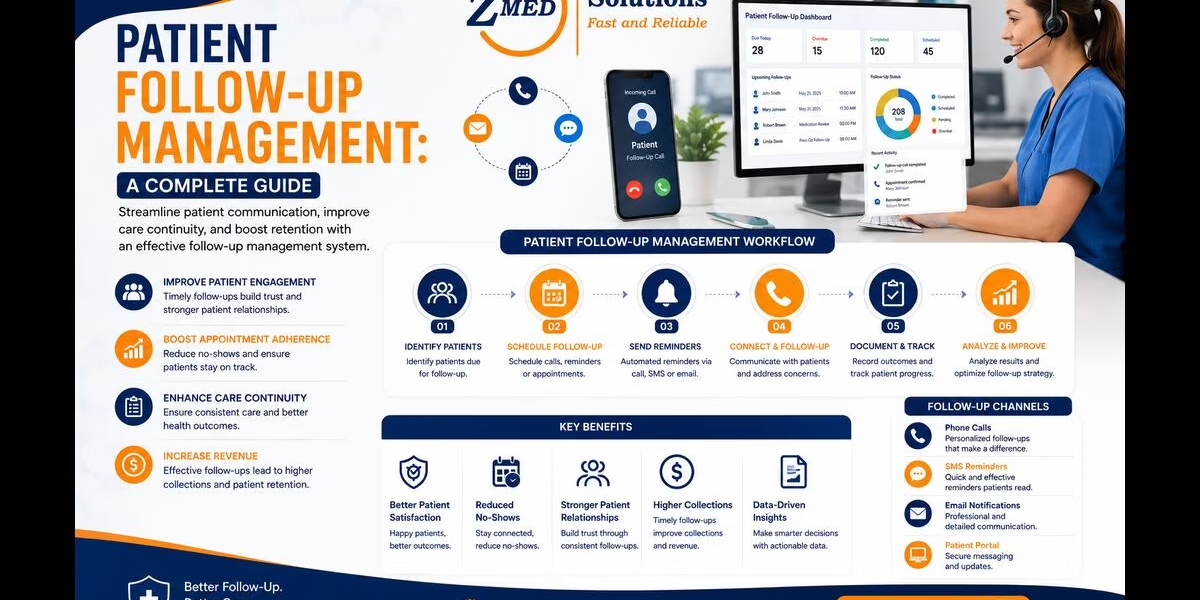
Patient Follow-Up Management is the structured process healthcare providers use to track, communicate with, and support patients after a visit, procedure, or diagnosis. It combines patient reminder services, automated patient follow-up tools, and care coordination to reduce missed appointments, improve outcomes, and strengthen patient retention strategies. For medical practices, an organized follow-up process is no longer optional — it is a core part of quality care and long-term practice growth.
Patients today expect more than a diagnosis and a handshake, patient Follow-Up Management on their way out the door. They expect ongoing communication, timely reminders, and a sense that their provider is paying attention even after they leave the clinic. This is where a well-designed patient follow-up system becomes essential, not just for patient satisfaction, but for clinical outcomes and practice revenue alike.
In this comprehensive guide, we will explore every dimension of patient follow-up management — from its definition and importance to the technology, strategies, and best practices that make it work. Whether you run a small private practice or manage a multi-location healthcare organization, this article will help you understand how to build a follow-up process that keeps patients engaged, informed, and healthier.
What Is Patient Follow-Up Management?
Patient follow-up management refers to the systems, processes, and communication channels used to check in with patients after their initial care encounter. This includes post-visit patient follow-up calls, automated text reminders, lab result notifications, and scheduling for follow-up appointment management. The goal is simple: make sure no patient falls through the cracks after leaving your facility.
A strong patient follow-up process typically spans the entire patient journey. It starts right after a visit, continues through recovery or treatment, and often extends into long-term chronic care follow-up for patients managing ongoing conditions. Every touchpoint — a phone call, an email, a patient reminder services text — plays a role in keeping patients connected to their care plan.
Why Follow-Up Matters in Modern Healthcare?
Healthcare has shifted from a purely reactive model to one built around continuous engagement. Providers are increasingly judged not just on the quality of a single visit, but on outcomes over time. This shift makes healthcare patient follow-up a measurable factor in quality scores, patient satisfaction surveys, and even reimbursement models tied to value-based care.
Without a reliable follow-up system, practices risk higher missed appointment follow-up rates, delayed treatment adherence, and lower patient trust. Patients who do not hear from their provider after a procedure are less likely to complete recommended care steps. This directly affects health outcomes and creates gaps that competitors — often clinics with better patient communication management — are quick to fill.
Optimizing revenue cycle performance is one of the most critical, complex and challenges facing healthcare practices today. Zmed Solutions delivers end-to-end medical billing solutions designed to reduce claim denials, accelerate reimbursements and strengthen your practice’s financial foundation. Learn more about who we are and explore our full range of specialized billing services.
The Core Components of an Effective Patient Follow-Up System
Building a functional patient follow-up system requires more than a spreadsheet of phone numbers. It requires a coordinated framework built around communication, technology, and accountability. Below are the essential building blocks every medical practice should have in place.
Automated Reminders and Notifications
Automated patient follow-up tools send reminders before and after appointments, reducing no-show rates significantly. These systems typically use SMS, email, or automated voice calls to confirm upcoming visits and prompt patients to schedule needed follow-up appointment management sessions. Automation removes the burden from front-desk staff while ensuring consistency across every patient interaction.
Modern medical appointment reminders can be customized by visit type, urgency, and even patient preference. A patient recovering from surgery might receive daily check-ins for the first week, while a routine check-up patient receives a single reminder 48 hours in advance. This flexibility is what separates a basic reminder tool from a true patient follow-up software solution.
Care Coordination Across Providers
Follow-up care coordination ensures that when a patient sees a specialist, returns to their primary provider, or requires lab work, all parties stay informed. This is especially critical for patients with complex or chronic care follow-up needs, where miscommunication between providers can lead to duplicated tests or missed warning signs.
Effective patient care coordination relies on shared records, secure messaging, and clear ownership of each follow-up task. When coordination breaks down, patients often become responsible for relaying their own medical history between providers — a burden that increases the risk of errors and reduces trust in the overall system.
Two-Way Patient Communication Channels
Patient communication management is not a one-way broadcast. Patients need the ability to respond to reminders, ask questions, and confirm or reschedule appointments without picking up the phone. Two-way texting, secure patient portals, and chat-based tools have become standard expectations rather than premium features.
This kind of accessible, two-way healthcare communication services model builds trust because patients feel heard rather than processed. It also reduces administrative overhead, since many routine questions — prescription refills, appointment confirmations, billing inquiries — can be resolved without a phone call to the front desk.
Data Tracking and Outcome Monitoring
A complete patient follow-up process includes tracking whether patients actually complete recommended actions — filling prescriptions, attending referrals, or returning for post-op checks. Without this data, practices are essentially guessing whether their follow-up efforts are working.
Outcome monitoring also supports patient retention strategies by identifying which patients are at risk of disengaging from care. A patient who misses two consecutive appointments, for example, might trigger an automatic outreach flag, prompting staff to personally check in before the relationship is lost entirely.
The Patient Follow-Up Process: Step by Step
Understanding the theory behind follow-up management is one thing; implementing it is another. Below is a practical breakdown of how a well-run patient follow-up process typically unfolds, from the moment a patient leaves the exam room to their next scheduled visit.
Step 1: Immediate Post-Visit Communication
Within 24 to 48 hours of a visit, patients should receive a summary of their visit, any instructions given, and confirmation of next steps. This post-visit patient follow-up message reinforces what was discussed and reduces the chance of confusion once the patient is back home, away from the clinical environment.
Step 2: Scheduled Check-Ins Based on Care Type
Depending on the nature of the visit, check-ins are scheduled at intervals appropriate to the condition. A routine physical might not need another touchpoint for a year, while a post-surgical patient may need check-ins at 48 hours, one week, and one month. This tiered approach is central to effective patient follow-up care.
Step 3: Missed Appointment Outreach
When a patient misses a scheduled visit, a structured missed appointment follow-up protocol should trigger automatically. This might include an automated text first, followed by a personal call if there is no response within a set window. The goal is re-engagement, not just rebooking — understanding why the patient missed the visit can reveal barriers like transportation, cost, or confusion about scheduling.
Step 4: Long-Term Relationship Management
Beyond individual episodes of care, patient relationship management involves nurturing the ongoing connection between patient and provider. This includes birthday greetings, annual wellness reminders, and periodic satisfaction surveys. These touches may seem minor, but they compound over time into stronger patient loyalty and better patient satisfaction improvement outcomes.
Technology’s Role in Patient Follow-Up Management
Technology has transformed what was once a manual, error-prone process into a streamlined, scalable system. Patient follow-up software platforms now integrate directly with electronic health records (EHR), scheduling systems, and billing software, creating a single source of truth for every patient interaction.
Benefits of Automated Systems
The clearest benefit of automated patient follow-up technology is consistency. Every patient receives the same quality of outreach, regardless of staff workload or turnover. This consistency is difficult to achieve manually, especially in busy practices juggling dozens of daily appointments alongside administrative tasks.
Automation also frees clinical staff to focus on higher-value work. Instead of manually dialing patients to confirm appointments, staff can review flagged high-risk cases identified by the system — patients who have missed multiple visits, skipped medication refills, or reported concerning symptoms through a portal message.
Choosing the Right Patient Follow-Up Software
Not all patient follow-up software platforms are built the same. Practices should evaluate solutions based on integration capability, customization options, reporting features, and ease of use for both staff and patients. A system that is powerful but difficult to navigate will see low adoption rates among both groups.
Key features to look for include multi-channel messaging (text, email, voice), customizable reminder schedules, real-time reporting dashboards, and secure compliance with healthcare privacy regulations. Practices should also consider whether the platform supports patient engagement management features like satisfaction surveys and two-way messaging, not just outbound reminders.
Strategies to Improve Patient Follow-Up Outcomes
Technology alone does not guarantee success. The strategy behind how follow-up tools are used matters just as much as the tools themselves. Below are proven approaches that practices can apply to strengthen their overall patient follow-up management program.
Segment Patients by Risk and Need
Not every patient requires the same level of follow-up intensity. Segmenting patients based on condition severity, age, and history allows practices to allocate follow-up resources more efficiently. High-risk chronic patients might receive weekly check-ins, while low-risk patients receive standard reminders only.
Personalize Communication Wherever Possible
Generic, one-size-fits-all messages tend to be ignored. Personalizing outreach — using the patient’s name, referencing their specific visit, and tailoring the tone to their preferences — significantly improves response rates. Even automated messages can feel personal when built thoughtfully within a patient follow-up software platform.
Offer Multiple Communication Channels
Different patients prefer different communication methods. Younger patients often prefer text messages, while older patients may still prefer phone calls. Offering a mix of channels ensures your patient outreach services reach the widest possible audience without alienating any demographic group.
Track and Act on Follow-Up Data
Collecting data is only useful if it drives action. Practices should regularly review follow-up completion rates, no-show trends, and patient feedback to identify weak points in their process. This continuous improvement loop is what separates a static reminder system from a genuinely effective patient follow-up process.
Train Staff on Follow-Up Protocols
Even with automation, human staff remain essential for escalations and personal touches. Staff should be trained on when to intervene manually, how to handle sensitive conversations, and how to use the patient follow-up system effectively. Well-trained staff act as the safety net when automated tools cannot fully resolve a patient’s needs.
Patient Follow-Up Management for Medical Practices
Every medical practice, regardless of size, benefits from a structured follow-up approach. However, the specific implementation can vary depending on specialty, patient volume, and available resources. Below, we look at how patient follow-up management for medical practices applies across different care settings.
Primary Care Practices
Primary care providers often manage the widest variety of patient needs, from annual physicals to chronic disease management. For these practices, a flexible patient follow-up system that can handle both simple reminders and complex chronic care follow-up protocols is essential. Primary care is also often the coordination hub for referrals to specialists, making follow-up care coordination a daily necessity.
Specialty Clinics
Specialty practices — cardiology, orthopedics, dermatology — often deal with procedure-based follow-up needs. Post-procedure check-ins, medication monitoring, and referral loop closure are critical here. A missed follow-up in a specialty setting can have more immediate clinical consequences, making automated safety nets particularly valuable.
Behavioral and Mental Health Practices
Behavioral health providers face unique follow-up challenges, since missed appointments can directly impact treatment continuity and patient safety. Patient engagement management in this setting often requires more sensitive, personalized outreach rather than purely automated messaging, balancing efficiency with the human touch these patients need.
Patient Retention: Why Follow-Up Is a Business Imperative?
Beyond clinical outcomes, patient follow-up management has a direct and measurable impact on practice revenue. Acquiring a new patient costs significantly more than retaining an existing one, making patient retention strategies a smart financial investment as well as a clinical one.
Reducing Patient Attrition
Patients who feel forgotten or poorly communicated with are more likely to switch providers. A consistent follow-up cadence signals that a practice values the ongoing relationship, not just the transactional visit. This consistency builds the kind of loyalty that keeps patients returning year after year.
Improving Lifetime Patient Value
Patients who stay engaged with a practice over time tend to use more services, refer friends and family, and leave positive reviews. This compounding effect makes patient retention strategies one of the highest-return investments a practice can make, often outperforming marketing spend aimed purely at new patient acquisition.
Strengthening Online Reputation
Modern patients research providers online before booking. A practice known for proactive patient communication management tends to receive stronger reviews, since patients associate good communication with good care. This reputation effect creates a virtuous cycle — better follow-up leads to better reviews, which leads to more new patients.
Addressing Missed Appointments through Structured Follow-Up
Missed appointments remain one of the most persistent challenges in healthcare delivery. Industry data consistently shows that unaddressed no-shows cost practices significant revenue and disrupt care continuity. A structured missed appointment follow-up protocol directly addresses this issue.
Common Reasons Patients Miss Appointments
Patients miss appointments for a variety of reasons: forgetting, transportation issues, work conflicts, or simply not understanding the importance of the visit. Understanding these root causes allows practices to design targeted interventions rather than generic reminder blasts that fail to address the actual barrier.
Building a Recovery Protocol
An effective recovery protocol includes immediate outreach after a missed visit, an easy rebooking process, and — where appropriate — a brief conversation about barriers to attendance. This proactive approach, embedded within a broader patient follow-up management framework, converts missed visits into opportunities to strengthen the patient relationship rather than losing the patient entirely.
Chronic Care Follow-Up: A Special Focus
Patients managing chronic conditions such as diabetes, hypertension, or heart disease require a more intensive and ongoing follow-up approach than typical acute care patients. Chronic care follow-up is not a single event but a continuous cycle of monitoring, communication, and adjustment.
Regular Monitoring and Check-Ins
Chronic care patients benefit from scheduled check-ins that monitor symptoms, medication adherence, and lifestyle factors. These check-ins can be conducted through phone calls, patient portals, or remote monitoring devices integrated into the broader patient follow-up system. Consistency here directly correlates with better long-term health outcomes.
Coordinating Between Multiple Providers
Chronic conditions often involve multiple specialists working together. Strong follow-up care coordination ensures that a cardiologist, endocrinologist, and primary care provider are all working from the same updated information, preventing conflicting treatment plans or duplicated testing that frustrates patients and wastes resources.
Supporting Patient Self-Management
Ultimately, chronic care follow-up aims to empower patients to manage their own condition confidently. Education, reminders, and accessible communication channels all contribute to this goal, reducing the burden on the healthcare system while improving quality of life for patients living with long-term conditions.
Patient Engagement: The Human Side of Follow-Up
While systems and software are essential, patient engagement management ultimately comes down to making patients feel valued and understood. Technology should enhance human connection, not replace it entirely.
Building Trust through Consistency
Patients build trust with providers who follow through on what they say. If a provider promises to call with test results, that call needs to happen on time. This reliability, reinforced through a dependable patient follow-up process, is often what determines whether a patient stays loyal to a practice long-term.
Encouraging Two-Way Dialogue
Engagement improves dramatically when patients can ask questions and receive timely answers. Portals, secure messaging, and responsive staff all contribute to a sense of partnership between patient and provider, rather than a purely transactional relationship limited to scheduled visits.
Measuring Engagement Success
Practices should track engagement metrics such as portal usage, message response rates, and survey participation. These metrics offer insight into how well a patient follow-up system is actually resonating with patients, beyond just appointment attendance numbers alone.
How Patient Follow-Up Services Improve Overall Satisfaction?
Patient satisfaction improvement is closely tied to how well a practice manages the period between visits. Patients rarely judge their experience solely on the quality of the exam room interaction; they judge it on the entire journey, including communication before and after.
Timely Communication Builds Confidence
When patients receive prompt updates — test results, appointment confirmations, or care instructions — they feel more confident in their provider’s attentiveness. This confidence translates directly into higher satisfaction scores and stronger word-of-mouth referrals within the community.
Reducing Patient Anxiety
Uncertainty is one of the biggest sources of patient dissatisfaction. Clear, proactive patient outreach services reduce this uncertainty by keeping patients informed at every stage, from pre-visit preparation to post-visit recovery instructions and long-term care planning.
Creating a Seamless Care Experience
A well-integrated patient follow-up management program makes the entire care journey feel connected rather than fragmented. Patients notice when their provider remembers previous visits, follows up on promised actions, and coordinates smoothly with other members of their care team.
Building an In-House vs. Outsourced Follow-Up Strategy
Practices generally choose between managing follow-up internally or partnering with dedicated patient follow-up services providers. Each approach carries distinct advantages depending on practice size, budget, and staffing capacity.
In-House Follow-Up Management
Managing follow-up internally offers greater control and direct oversight of patient interactions. However, it requires dedicated staff time, ongoing training, and investment in patient follow-up software to remain efficient at scale. Smaller practices may find this approach resource-intensive without the right tools in place.
Outsourced Patient Follow-Up Services
Outsourcing to specialized patient follow-up services providers allows practices to leverage established systems, trained call teams, and proven protocols without building everything from scratch. This approach can be particularly effective for practices experiencing rapid growth or those lacking dedicated administrative capacity for follow-up work.
Choosing the Right Approach for Your Practice
The right choice depends on practice size, patient volume, and internal resources. Larger organizations with dedicated administrative teams may thrive with in-house systems, while smaller or rapidly scaling practices often benefit from outsourced patient follow-up solutions for medical practices that provide immediate expertise and infrastructure.
Measuring the ROI of Patient Follow-Up Management
Investing in patient follow-up management is only worthwhile if practices can measure its impact. Fortunately, the return on investment is often easy to quantify through a handful of key performance indicators tracked over time within a patient follow-up software platform.
Tracking No-Show Rate Reduction
One of the clearest ROI indicators is the change in no-show percentage after implementing structured missed appointment follow-up protocols. Practices frequently see measurable drops within the first few months, translating directly into recovered revenue from appointment slots that would otherwise have gone unfilled.
Monitoring Patient Retention Over Time
Comparing year-over-year patient retention rates offers another strong signal of program effectiveness. A rising retention rate, paired with growing patient satisfaction improvement scores, suggests that your patient relationship management approach is genuinely resonating with the people you serve.
Calculating Staff Time Savings
Automation frees front-desk and clinical staff from repetitive manual outreach tasks. Measuring the hours saved through automated patient follow-up tools — and reallocating that time toward higher-value patient care activities — provides a concrete, budget-friendly justification for continued investment.
Compliance and Data Security in Patient Follow-Up
Any patient follow-up system handling protected health information must meet strict regulatory requirements. Compliance is not optional, and practices should treat data security as a foundational element of their follow-up strategy rather than an afterthought.
HIPAA-Compliant Communication Channels
All healthcare communication services used for follow-up — texting, email, or portal messaging — must be encrypted and compliant with HIPAA standards. Choosing a patient follow-up software vendor with built-in compliance safeguards reduces legal risk and protects patient trust in your practice.
Patient Consent and Preference Management
Patients should be able to choose how they are contacted and opt out of specific channels if desired. Respecting these preferences within your patient communication management framework not only satisfies regulatory expectations but also improves overall engagement, since patients respond better to channels they actually chose.
Auditing and Continuous Compliance Review
Regular audits of your follow-up communication logs help ensure ongoing compliance as regulations evolve. Building this review process into your broader patient follow-up process protects the practice from potential violations while reinforcing a culture of accountability around patient data.
Frequently Asked Questions
What is patient follow-up management?
Patient follow-up management is the structured process of tracking and communicating with patients after their visit to ensure they complete recommended care steps, attend follow-up appointments, and stay engaged with their treatment plan.
How does automated patient follow-up reduce missed appointments?
Automated patient follow-up sends consistent reminders through text, email, or calls before and after appointments, prompting patients to confirm, reschedule, or attend visits, which significantly lowers no-show rates across a practice.
What features should I look for in patient follow-up software?
Look for multi-channel messaging, customizable reminder schedules, real-time reporting, EHR integration, and secure compliance with healthcare privacy standards to ensure the software fits your practice’s specific workflow needs.
Why is follow-up important for chronic care patients?
Chronic care follow-up ensures ongoing monitoring of symptoms, medication adherence, and coordination between multiple providers, which helps prevent complications and supports better long-term health outcomes for these patients.
Should small practices outsource patient follow-up services?
Many small practices benefit from outsourcing patient follow-up services since it provides immediate access to proven systems and trained staff without requiring significant upfront investment in technology or additional personnel.
Final Thoughts
Patient Follow-Up Management is no longer a back-office afterthought — it is a central pillar of modern healthcare delivery. From reducing missed appointments to strengthening long-term patient retention strategies, a well-designed follow-up process touches nearly every aspect of practice performance and patient wellbeing. Combining automated patient follow-up technology with thoughtful, human-centered communication creates a system that benefits patients, providers, and practice revenue alike.
Practices that invest in reliable patient follow-up software, structured follow-up care coordination, and consistent patient outreach services position themselves for stronger outcomes and lasting patient relationships. As healthcare continues to shift toward value-based, patient-centered models, the practices that master follow-up management will be the ones that thrive. Now is the time to evaluate your current process and identify where a smarter, more connected patient follow-up system could make the biggest difference.
Key Market Player
Ready to optimize your medical billing and boost your revenue? Look no further. Zmed Solutions LLC is your trusted partner in professional Medical Billing Services.
Join our growing network of healthcare providers who have already elevated their revenue with our expert services. Don't miss out on what could be your practice's most profitable decision.
Schedule a Consultation Today!
Contact Us Now, and experience the difference. Your financial success starts here!