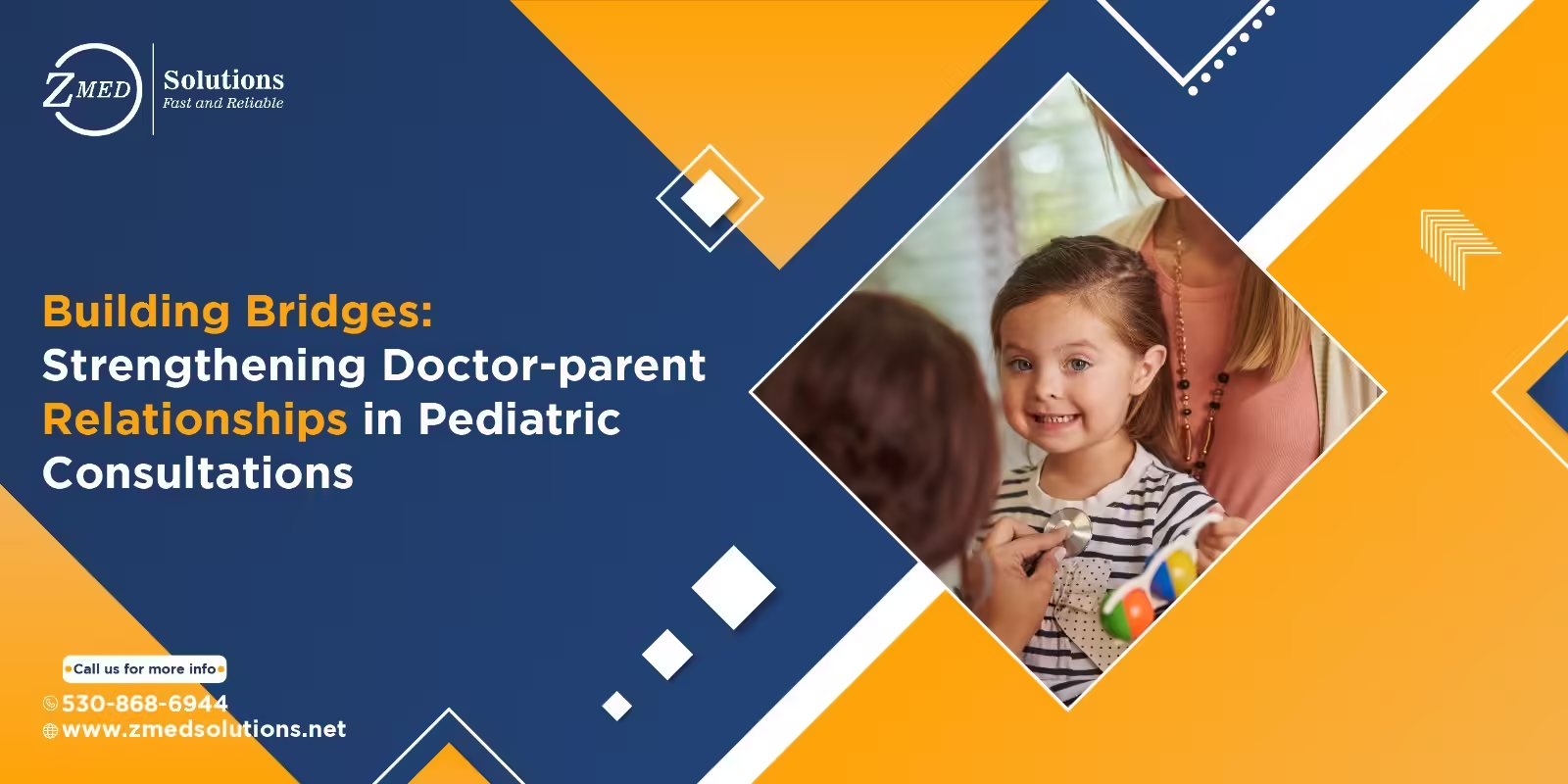
Pediatric healthcare stands at the intersection of medical expertise and familial care. Within this delicate balance lies the crucial element of doctor-parent relationships. In the dynamic realm of pediatric consultations, the bond between healthcare providers and parents plays a pivotal role in shaping the well-being and development of children. This article delves into the multifaceted aspects of building bridges and strengthening relationships between doctors and parents in pediatric care.
Understanding Doctor-Parent Dynamics
At the heart of pediatric consultations lies a collaborative partnership between doctors and parents. While doctors bring medical expertise and clinical insight, parents serve as primary caregivers and advocates for their children’s health. Understanding the roles and responsibilities of each party is essential for fostering effective communication and mutual respect in pediatric care settings. However, navigating the intricate dynamics of doctor-parent relationships can pose significant challenges.
Communication Strategies
Effective communication serves as the cornerstone of successful doctor-parent relationships in pediatric consultations. For doctors, practicing active listening techniques and maintaining open lines of dialogue are paramount. By attentively listening to parental concerns and perspectives, doctors can gain valuable insights into the child’s health status and family dynamics. Similarly, encouraging parents to express their questions and anxieties fosters a collaborative atmosphere built on trust and transparency.
Building Trust
Trust is the bedrock of any meaningful relationship, including those between doctors and parents in pediatric care. Establishing trust requires honesty, empathy, and reliability from both parties. Doctors can cultivate trust by providing accurate medical information, explaining treatment options comprehensively, and addressing parental concerns with empathy and respect. By fostering a culture of trust, doctors and parents can navigate healthcare decisions together with confidence and assurance.
Empathy and Understanding
In pediatric consultations, empathy serves as a powerful tool for bridging the emotional gap between doctors and parents. Recognizing the emotional challenges that accompany childhood illnesses and medical interventions, doctors can offer genuine empathy and support to parents. Validating parental emotions and concerns creates a nurturing environment where families feel understood, valued, and empowered to participate in their child’s care journey.
Collaborative Decision-Making
Gone are the days of paternalistic healthcare models where doctors held sole authority over medical decisions. In contemporary pediatric care, collaborative decision-making between doctors and parents is the norm. By involving parents in treatment planning and decision-making processes, doctors honor parental autonomy while leveraging their expertise to guide informed choices. Shared decision-making promotes a sense of ownership and partnership, leading to more personalized and effective healthcare outcomes for children.
Cultural Competence
Cultural diversity enriches the fabric of pediatric healthcare but also presents unique challenges in doctor-parent relationships. Recognizing and respecting cultural differences is essential for providing culturally competent care to diverse patient populations. By embracing cultural humility and sensitivity, doctors can bridge cultural divides and foster inclusive environments where all families feel valued and respected.
Managing Conflict
Conflict is inevitable in any human interaction, including doctor-parent relationships. In pediatric consultations, disagreements may arise regarding treatment options, healthcare goals, or communication preferences. Effectively managing conflict requires patience, empathy, and active listening skills. By acknowledging and addressing parental concerns with professionalism and compassion, doctors can navigate conflicts constructively while preserving the therapeutic alliance.
Providing Education and Resources
Empowering parents with knowledge and resources is integral to promoting their active participation in pediatric care. Doctors play a pivotal role in educating parents about child development, preventive healthcare measures, and disease management strategies. By equipping parents with reliable information and support networks, doctors empower families to make informed decisions and advocate for their child’s health and well-being.
Technology and Remote Consultations
The advent of telemedicine has revolutionized the landscape of pediatric consultations, offering convenience and accessibility to families worldwide. While technology enables remote communication and virtual healthcare delivery, it also poses challenges to doctor-parent relationships. Maintaining rapport and trust in virtual settings requires innovative communication strategies and technological literacy from both doctors and parents.
Addressing Special Considerations
Children with special needs require tailored support and understanding from healthcare providers and parents alike. Navigating complex medical conditions, disabilities, or developmental challenges demands patience, compassion, and interdisciplinary collaboration. By partnering with specialized care teams and community resources, doctors can offer comprehensive and holistic support to children with unique healthcare needs and their families.
Evaluating Doctor-Parent Relationships
Assessing the quality of doctor-parent relationships is essential for optimizing pediatric care delivery and patient satisfaction. Soliciting feedback from families, conducting satisfaction surveys, and monitoring communication patterns are valuable tools for evaluating relationship dynamics. Recognizing and celebrating successful partnerships between doctors and parents fosters a culture of continuous improvement and excellence in pediatric care.
Future Directions and Challenges
As pediatric healthcare evolves, new opportunities and challenges emerge on the horizon. Embracing technological innovations, such as artificial intelligence and telemedicine, promises to enhance the accessibility and efficiency of pediatric consultations. However, integrating technology into doctor-parent interactions requires careful consideration of privacy, security, and digital literacy concerns. Moreover, disparities in access to healthcare services and socioeconomic barriers pose significant challenges to building equitable doctor-parent relationships.
Frequently Asked Questions
Pediatric Consultations
Why are doctor-parent relationships important in pediatric consultations?
Doctor-parent relationships are crucial in pediatric consultations because they facilitate effective communication, trust, and collaboration. Parents play a vital role in their child’s healthcare journey, and a strong relationship with the doctor ensures that they feel empowered, supported, and well-informed about their child’s health.
What are some common challenges in doctor-parent relationships?
Common challenges in doctor-parent relationships include communication barriers, misunderstandings, differing expectations, and cultural differences. Additionally, issues related to trust, autonomy, and decision-making authority can sometimes strain the relationship between doctors and parents.
How can doctors improve communication with parents during pediatric consultations?
Doctors can improve communication with parents by practicing active listening, empathy, and clarity in their explanations. Encouraging parents to ask questions, express concerns, and participate in decision-making processes fosters a collaborative and supportive environment in pediatric care settings.
What role does trust play in doctor-parent relationships?
Trust is foundational to effective doctor-parent relationships. When parents trust their child’s doctor, they feel confident in the medical advice and recommendations provided. Building trust involves transparency, honesty, and empathy from the doctor, as well as respect for parental knowledge and intuition.
How can cultural competence enhance doctor-parent relationships?
Cultural competence involves understanding and respecting the cultural beliefs, values, and practices of diverse patient populations. By demonstrating cultural sensitivity and inclusivity, doctors can establish rapport and trust with families from different cultural backgrounds, thereby improving communication and patient outcomes.
What strategies can doctors use to address conflicts with parents?
Doctors can address conflicts with parents by actively listening to their concerns, acknowledging differences in perspective, and seeking common ground. It’s essential to approach conflicts with empathy, professionalism, and a willingness to collaborate on finding mutually acceptable solutions.
How can technology impact doctor-parent relationships in pediatric care?
Technology can enhance doctor-parent relationships by facilitating remote consultations, providing access to medical information and resources, and improving communication channels. However, it’s crucial to balance the benefits of technology with concerns about privacy, security, and equitable access to healthcare services.
What resources are available to support parents in pediatric consultations?
Parents can access a variety of resources, including educational materials, support groups, online forums, and community organizations specializing in pediatric healthcare. Doctors can also provide referrals to additional services and resources tailored to the specific needs of families and children.
How can doctors evaluate the quality of doctor-parent relationships?
Doctors can evaluate the quality of doctor-parent relationships through patient feedback surveys, communication assessments, and ongoing dialogue with families. Monitoring indicators such as patient satisfaction, trust levels, and adherence to treatment plans can help identify areas for improvement and strengthen relationships over time.
What are some future trends and challenges in doctor-parent relationships?
Future trends in doctor-parent relationships may include greater integration of technology, expansion of telehealth services, and increased emphasis on personalized and family-centered care.. However, challenges such as healthcare disparities, cultural barriers, and evolving regulatory frameworks will continue to shape the landscape of pediatric consultations.
Final Thoughts
In conclusion, strengthening doctor-parent relationships is essential for delivering patient-centered and holistic pediatric care. By fostering open communication, trust, empathy, and collaboration, doctors can empower parents to become active partners in their child’s healthcare journey. Cultivating culturally competent and inclusive practices ensures that all families receive respectful and dignified care. As we navigate the complexities of pediatric consultations, let us remember that building bridges between doctors and parents is not just a professional duty but a sacred commitment to the well-being and happiness of our youngest patients.
Key Market Player
Ready to optimize your medical billing and boost your revenue? Look no further. Zmed Solutions LLC is your trusted partner in professional Medical Billing Services.
Join our growing network of healthcare providers who have already elevated their revenue with our expert services. Don't miss out on what could be your practice's most profitable decision.
Schedule a Consultation Today!
Contact Us Now, and experience the difference. Your financial success starts here!