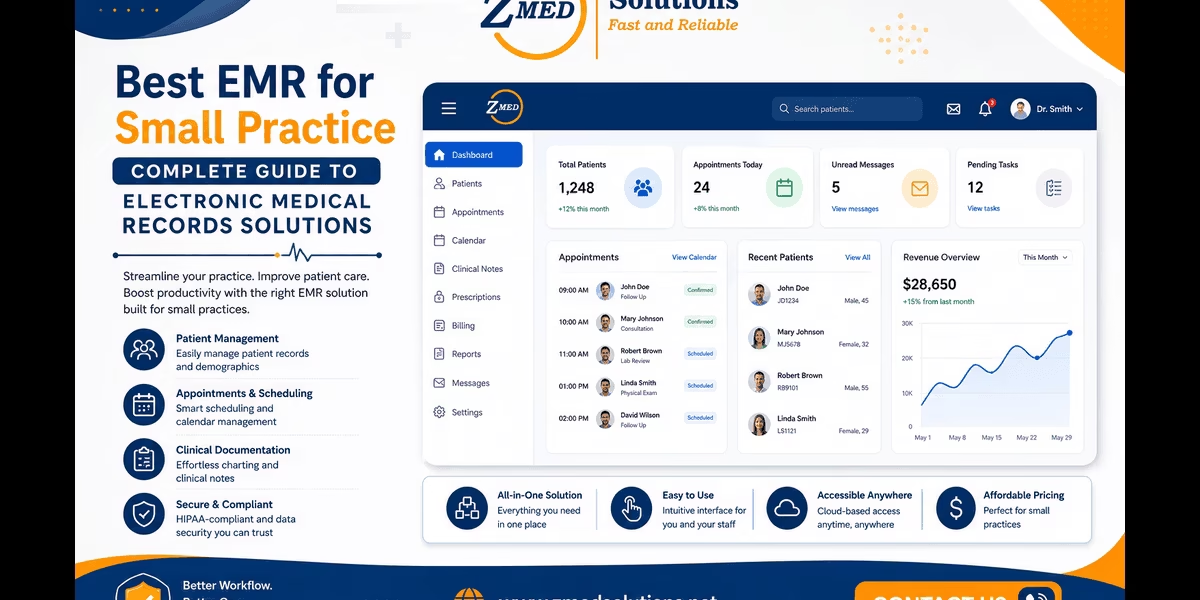
The best EMR for small practice is a secure, easy-to-use electronic medical records system that supports charting, scheduling, billing, e-prescribing, patient communication, and compliance. A small practice should choose an EMR that reduces administrative work, improves documentation accuracy, protects patient data, and scales smoothly as patient volume grows.
Best EMR for Small Practice-Running a small healthcare practice presents unique operational challenges. Managing patient records, billing information, and clinical documentation simultaneously can overwhelm administrative teams. This is where selecting the right electronic medical records software becomes transformative for your clinic’s success.
Electronic health records systems have revolutionized how small practices operate. Instead of drowning in paper records, medical practice software streamlines workflow dramatically. Healthcare providers worldwide recognize that implementing proper EMR software for small practices improves patient care quality significantly.
The challenge lies in finding affordable EMR solutions suited to your clinic’s specific needs. With countless options available, understanding what makes certain EHR software superior for small operations is essential. This comprehensive guide explores the best EMR systems designed specifically for small medical practices, helping you make informed decisions that enhance productivity and patient outcomes.
Understanding EMR Software: What Small Practices Need to Know?
Best EMR for Small Practice-What Exactly is EMR Software?
Electronic Medical Records (EMR) software represents digital versions of patient medical histories. Rather than maintaining physical paper files, electronic health records systems store comprehensive patient information electronically. This digital approach offers unprecedented accessibility and security advantages.
Electronic medical records include patient demographics, medical histories, medications, allergies, and clinical notes. The system centralizes everything a healthcare provider needs for informed decision-making. Unlike paper-based approaches, EMR systems for small clinics provide instant access to complete patient information from any location within your facility.
Understanding healthcare IT solutions fundamentals helps small practices evaluate options properly. Best EHR software integrates seamlessly with existing workflows. The most effective practice management software reduces administrative burden while improving accuracy and compliance.
Best EMR for Small Practice-EMR vs. EHR: Understanding the Distinction
Healthcare professionals often use “EMR” and “EHR” interchangeably, though subtle differences exist. Electronic Medical Records typically remain within a single healthcare facility. Electronic Health Records, conversely, allow data sharing across multiple providers and systems.
For small healthcare practices, this distinction matters when considering future growth and integration needs. Best EMR software often functions as both systems simultaneously. Modern clinical documentation software platforms support both approaches, providing flexibility as your practice expands.
Medical records software selection should anticipate your clinic’s evolution. Beginning with solid foundational healthcare practice software means easier transitions later. The distinction helps small practice owners understand which EHR systems for small clinics best matches their current operational structure.
Optimizing revenue cycle performance is one of the most critical, complex and challenges facing healthcare practices today. Zmed Solutions delivers end-to-end medical billing solutions designed to reduce claim denials, accelerate reimbursements and strengthen your practice’s financial foundation. Learn more about who we are and explore our full range of specialized billing services.
Best EMR for Small Practice-Core Benefits of Implementing EMR Systems
Implementing medical practice software delivers numerous quantifiable benefits. Electronic health records systems reduce administrative time by up to forty percent in many small clinics. Staff can focus on patient care rather than paperwork management.
Patient management software improves accuracy significantly. Digital systems eliminate handwriting errors common with paper records. Clinical decision support features embedded in top EMR software for small practices enhance diagnostic accuracy. Medication interaction alerts prevent dangerous prescribing errors automatically.
Healthcare IT solutions improve security substantially compared to paper-based systems. Encrypted digital storage protects sensitive patient information far better than unlocked filing cabinets. Audit trails track who accesses what information and when, maintaining HIPAA compliance effortlessly.
Practice management software streamlines billing processes dramatically. Automated coding and claims submission reduce payment delays. Affordable EMR solutions often include integrated billing components, eliminating multiple software systems.
Key Features to Look for in Best EMR Software
Patient Management Capabilities
The foundation of any quality best EMR software begins with robust patient management software features. Your system should easily create and maintain comprehensive patient profiles. Demographics, contact information, insurance details, and emergency contacts should be instantly accessible.
Electronic medical records systems need powerful search functionality. Finding specific patient records within seconds ensures clinical efficiency. Advanced EMR software for small practices includes appointment scheduling directly within the platform. This integration eliminates double-entry and scheduling conflicts.
Portal capabilities represent crucial modern features. Patient-facing EHR systems for small clinics allow patients accessing test results, renewing medications, and contacting providers. This healthcare practice software feature improves patient engagement and satisfaction significantly.
Best EMR for Small Practice-Clinical Documentation Excellence
Superior clinical documentation software forms the backbone of effective electronic health records software. Your system should offer customizable templates matching your specific clinical workflows. Different specialties require different documentation approaches, and flexible templates accommodate this reality.
Voice recognition capabilities streamline note-taking for busy clinicians. Rather than typing extensively, providers dictate notes that medical records software converts to text automatically. This feature significantly increases clinician satisfaction and adoption rates.
Templates should include evidence-based guidelines and clinical decision support. When physicians document care, the system suggests relevant codes and potential missing elements. This integration improves coding accuracy and ensures comprehensive documentation.
Billing and Claims Management Integration
Integrated practice management software eliminates workflow disruptions between clinical and administrative functions. When documentation is complete, medical billing software automatically generates claims. This seamless integration reduces denials and accelerates payment.
Your selected affordable EMR solutions should include real-time eligibility verification. Confirming insurance coverage before appointments prevents surprise billing issues. Electronic claims submission directly to insurance companies significantly reduces claim processing time.
Reporting features should provide detailed insights into billing performance. Best EHR software includes dashboards showing claim status, denial patterns, and revenue trends. These analytics help practice managers identify improvement opportunities.
Interoperability and Data Exchange
Modern healthcare demands that electronic medical records systems communicate with external providers and systems. Your chosen EMR software for small practices should support standard health information exchange protocols. This capability enables coordination of care across your patient population.
Healthcare IT solutions should facilitate referral management efficiently. When referring patients to specialists, complete medical information transfers electronically. This prevents patients from duplicating tests and accelerates specialist decision-making.
Lab and imaging system integration reduces manual data entry significantly. Results automatically populate into patient records from external diagnostic facilities. This automation improves accuracy and clinician efficiency.
Comprehensive Comparison of Top EMR Solutions for Small Practices
Premier Options: What Makes Certain Systems Stand Out
The best EMR for small practices combines affordability, user-friendliness, and robust functionality. Leading solutions have built their reputations through consistent performance and excellent customer support. These systems typically serve thousands of small practices nationwide.
Electronic health records software leaders in the small practice market understand unique operational constraints. They’ve designed their platforms specifically for clinics with limited IT resources. This focused approach results in systems requiring minimal technical expertise to implement and maintain.
Medical practice software comparison should evaluate not just features, but total cost of ownership. Initial licensing fees represent only part of expense calculations. Implementation costs, training requirements, and ongoing support factors significantly impact long-term affordability.
Evaluating Cost-Effectiveness and Pricing Models
Affordable EMR solutions typically employ subscription-based pricing models. Monthly per-user fees provide predictable budgeting. Many vendors offer tiered pricing based on practice size, ensuring you pay for what you actually use.
Some best EHR software platforms charge per-patient rather than per-user. This approach benefits high-volume practices while penalizing those with limited patient panels. Understanding your specific practice pattern helps evaluate which pricing model offers superior value.
Implementation fees vary dramatically across vendors. Some EMR software for small practices charge substantial upfront costs, while others build implementation into subscription fees. Compare total year-one expenses when evaluating affordability.
User Interface and Ease of Adoption
Complexity represents a major barrier to EMR implementation success in small practices. Staff often resist software changes, particularly when systems feel overly complicated. The best EMR software prioritizes intuitive design requiring minimal training.
Superior clinical documentation software employs familiar design patterns. Providers coming from paper records or other systems recognize workflow logic intuitively. Shorter learning curves mean faster productivity improvements and higher staff satisfaction.
Mobile application availability matters increasingly for small practices. Clinicians want documenting capabilities from examination rooms and during patient visits. Quality healthcare IT solutions include mobile apps with offline functionality for reliable performance regardless of connectivity.
Customer Support and Implementation Quality
Outstanding practice management software vendors maintain responsive, knowledgeable support teams. Implementation specialists guide small practices through system setup and customization. Good vendors assign dedicated implementation managers ensuring smooth transitions.
Training resources should accommodate different learning styles. Video tutorials, webinars, written documentation, and one-on-one coaching ensure all staff members find helpful resources. Ongoing training for new features keeps your team current as vendors enhance platforms.
Vendor stability matters significantly for small practices. Large, well-established electronic medical records systems providers are more likely remaining operational long-term. Avoid emerging vendors lacking demonstrated financial stability or adoption.
Practical Implementation Strategies for Small Practices
Pre-Implementation Planning and Requirements Assessment
Successful EMR software for small practices adoption begins with thorough planning. Document your current workflows meticulously before implementation commences. Understanding existing processes prevents important steps being overlooked in new systems.
Involve all stakeholders in requirements gathering. Clinical staff, administrative personnel, and practice managers contribute unique perspectives. Best EHR software implementation succeeds when everyone feels heard regarding their specific needs.
Establish realistic timelines and milestones. Most small practices require four to six months for complete implementation. Rushing the process creates frustration and incomplete adoption.
Data Migration and System Changeover
Migrating historical patient records to new electronic health records software requires careful planning. Determine which historical information truly needs transfer versus what can remain archived. Complete medical histories extending decades back consume valuable storage and migration resources.
Most EMR software for small practices vendors provide migration tools and services. Professional migration specialists understand healthcare data nuances and HIPAA compliance requirements. This expertise justifies professional migration costs.
Parallel running periods help identify issues before complete transition. Continue paper records initially while medical records software operates alongside existing systems. Gradually shifting to exclusively digital operations allows identifying and resolving problems safely.
Staff Training and Change Management
Comprehensive training represents critical implementation success factors. Medical assistants, nurses, physicians, and administrative staff require different training approaches. Practice management software vendors should provide role-specific training sessions.
Designate internal champions who become platform experts. These enthusiastic users can support colleagues during adjustment periods. Creating peer support networks accelerates adoption throughout your practice.
Ongoing reinforcement helps prevent regression to old habits. Initial training introduces fundamentals, but continued education deepens expertise. Monthly training sessions covering advanced features maximize your system investment value.
Optimization and Continuous Improvement
Best EMR software adoption doesn’t end at go-live. Successful implementation requires ongoing optimization. Review workflows regularly, identifying opportunities for streamlined processes. Most healthcare IT solutions vendors periodically release enhanced features addressing real-world practice needs.
User feedback should drive continuous improvements. Create mechanisms for staff suggestions about enhancing functionality or addressing pain points. Vendors increasingly incorporate customer suggestions into product development.
Benchmark performance against similar practices. Most systems provide reporting capabilities showing productivity metrics. Compare your data against industry standards to identify performance gaps.
Addressing Small Practice Pain Points with EMR Solutions
Managing Limited IT Resources and Technical Expertise
Small practices typically lack dedicated IT departments. Selecting electronic medical records systems requiring minimal technical support becomes essential. Cloud-based best EMR software platforms eliminate complex server management and maintenance requirements.
Vendors providing comprehensive technical support reduce reliance on internal expertise. They manage system updates, security patches, and backup procedures automatically. This hands-off approach allows practice administrators focusing on clinical operations.
Affordable EMR solutions often include help desk support included in subscription fees. When technical issues arise, professional support staff resolve problems quickly. This reassurance justifies software investment for technologically constrained practices.
Achieving HIPAA Compliance and Data Security
Healthcare practices face intense regulatory scrutiny regarding patient data protection. Robust EMR software for small practices incorporates comprehensive security features meeting HIPAA requirements. Encryption, authentication, audit trails, and backup systems protect sensitive information automatically.
Vendors maintain responsibility for security infrastructure and regular security audits. This shared responsibility model simplifies compliance management for small practices. Detailed audit reports demonstrate HIPAA compliance to regulatory agencies and insurance companies.
Data breach insurance and covered incident response represent additional security benefits included with quality electronic health records software. Should breaches occur despite robust protections, vendor support helps manage notifications and remediation.
Reducing Billing Delays and Revenue Loss
Medical billing software integrated into comprehensive practice management software dramatically improves cash flow. Automatic claim submission eliminates mail delays. Electronic payment receipt confirmations provide instant visibility into payment status.
Denial management features reduce time wasted on claim denials. Your system should automatically identify denial patterns and suggest corrections. Analytics highlight which insurance companies or procedures generate higher denial rates.
Billing dashboards provide day-to-day visibility into practice revenue. Identify slow-paying insurers, unapplied payments, and outstanding balances quickly. This visibility enables proactive financial management.
Improving Patient Engagement and Satisfaction
Patient portals integrated into modern electronic medical records systems enhance patient experience significantly. Patients appreciate accessing test results and medication lists directly. The ability messaging providers electronically improves accessibility.
Appointment reminders through patient portals reduce no-show rates substantially. Automated reminders sent via email or text significantly decrease missed appointments. Higher show rates improve revenue predictability.
Online check-in capabilities reduce waiting room paperwork burden. Patients complete registration and health history forms before arriving, streamlining arrival processes. Staff can focus on welcoming patients rather than administrative tasks.
Emerging Technologies and Future Considerations
Artificial Intelligence Integration in Modern EMR Systems
Best EHR software increasingly incorporates artificial intelligence capabilities. AI-powered clinical decision support analyzes patient data suggesting diagnoses and treatment options. This technology enhances diagnostic accuracy while supporting evidence-based medicine.
Machine learning algorithms identify high-risk patients requiring preventive interventions. Your EMR software for small practices can proactively identify patients with concerning trends. Early interventions prevent complications and hospitalizations.
Administrative AI handles scheduling optimization, predicting no-shows and suggesting appointment scheduling improvements. These intelligent systems make resource allocation decisions automatically.
Telehealth Integration and Remote Care Capabilities
Modern electronic health records systems increasingly integrate telehealth capabilities directly into platforms. Providers can conduct virtual visits without switching applications. Seamless integration ensures telehealth encounters document directly into patient records.
Video consultation tools, secure messaging, and remote monitoring capabilities expand accessible care. Patients in remote areas access specialist expertise without travel burden. Healthcare IT solutions enabling this accessibility improve practice competitiveness.
Mobile-First Design and Accessibility
Clinical documentation software increasingly emphasizes mobile experiences. Physicians want documenting capabilities on tablets and smartphones during patient visits. Mobile-first design becomes increasingly important in vendor selection.
Accessibility features ensure clinicians with disabilities can utilize systems effectively. Proper contrast ratios, keyboard navigation, and screen reader compatibility represent essential modern requirements.
ROI and Long-Term Benefits of EMR Implementation
Quantifying Return on Investment
EMR implementation generates measurable returns within first two years for most small practices. Reduced administrative time translates to staff reductions or redeployment toward revenue-generating activities. Improved billing accuracy increases collected revenue by average ten percent.
Clinical efficiency improvements reduce visit times, allowing additional patient appointments daily. Higher appointment capacity without increased staffing represents significant profit improvement. Decreased clinical errors prevent malpractice claims, protecting practice reputation and financial health.
Patient satisfaction improvements drive referrals and repeat visits. Quality metrics demonstrating superior outcomes build reputation attracting new patients. Long-term revenue increases substantially exceed implementation costs.
Sustainability and Long-Term Practice Value
Selecting scalable practice management software ensures your investment supports future growth. As your practice expands, system capacity grows without major replacements. This future-proofing protects your initial technology investment.
Vendor longevity and financial stability ensure ongoing support and system development. Established vendors continue improving platforms based on market demands. Your early adoption investment gains additional value as features expand.
Resale or valuation improvements make best EMR software a significant business asset. Prospective buyers view practices with robust electronic health records systems as operationally superior. Technology investment can improve business valuation substantially.
Frequently Asked Questions
Best EMR for Small Practice
How long does EMR implementation typically require for a small practice?
Most small practices require four to six months implementing electronic medical records systems successfully. Implementation timeline depends on practice size, data volume, and customization requirements. Simpler implementations with minimal historical data migration complete faster. Complex practices with specialized workflows need extended timelines.
EMR software for small practices vendors typically phase implementation across multiple months. Initial weeks involve planning and setup. Mid-phase focuses on data migration and system customization. Final phase emphasizes training and parallel operations before complete transition.
Rushing implementation creates frustration and incomplete adoption. Adequate time investment prevents costly mistakes. Successful vendors build realistic timelines into project plans.
What is typical pricing for EMR systems designed for small practices?
Best EHR software pricing for small practices typically ranges from $150-500 monthly per provider. Some vendors charge per-patient ranging $0.50-2.00 monthly per active patient. Implementation costs range from $5,000-25,000 depending on complexity.
Affordable EMR solutions often provide pricing tiers based on practice size. Solo practices pay less than multi-provider clinics. Volume discounts apply for larger patient populations. Comparison shopping across vendors reveals significant cost variations for similar functionality.
Budget planning should include training costs, ongoing support, and system upgrades. Total first-year costs typically exceed monthly subscription amounts substantially. Understanding complete financial picture prevents budget surprises.
How can small practices ensure successful staff adoption of new EMR systems?
Successful EMR software for small practices adoption requires comprehensive change management. Involve staff early in system selection to build ownership. Provide thorough training specific to individual roles. Create peer support networks among enthusiastic early adopters.
Best EHR software adoption succeeds when leadership demonstrates commitment. Practice leadership using systems actively and speaking positively about benefits influences staff attitudes. Celebrating early successes builds momentum and enthusiasm.
Ongoing reinforcement prevents regression to old habits. Monthly training sessions covering advanced features deepen expertise. Recognition programs celebrating staff proficiency improvements motivate continued engagement. Patience and persistence overcome initial resistance most staff encounter.
What security features should quality EMR systems include for HIPAA compliance?
Comprehensive electronic medical records systems include encryption protecting data in transit and at rest. Authentication systems verify user identity before access. Audit trails documenting who accessed which records when provide accountability mechanisms.
Role-based access controls ensure staff only access clinically necessary information. Healthcare IT solutions employing principle of least privilege prevent inappropriate data exposure. Regular security patches address emerging threats automatically.
Backup systems protect against data loss from natural disasters or equipment failure. Disaster recovery procedures ensure rapid system restoration should incidents occur. Quality vendors maintain transparent security documentation and regular independent audits.
Can small practices integrate EMR systems with existing practice management software?
Many practice management software vendors provide integration capabilities with quality EMR solutions. However, integration depth varies considerably across platforms. Before purchasing, confirm integration capability with your existing systems.
Electronic medical records systems increasingly support standard health information exchange protocols enabling third-party integrations. Open architecture systems integrate more readily than proprietary platforms. Cloud-based solutions generally integrate more easily than legacy systems.
Discuss integration requirements thoroughly during vendor evaluation. Some integrations require custom development increasing implementation costs significantly. Budget accordingly for necessary integrations when evaluating total implementation expenses.
Final Thoughts
Best EMR for Small Practice
Choosing the best EMR for small practice requires balancing numerous competing factors. Cost considerations, feature requirements, and vendor reliability all deserve careful evaluation. However, most small practices can identify excellent solutions matching their specific operational needs and budget constraints.
Electronic medical records systems represent fundamental infrastructure investments enabling modern healthcare delivery. Selecting thoughtfully rather than hastily ensures you benefit from technology improvements for years. Taking time to evaluate options thoroughly prevents costly mistakes.
Successful implementation requires commitment from leadership and staff. Organizations embracing change management principles achieve superior outcomes. Your practice culture and readiness for change significantly influence project success.
The best EHR software choice empowers your practice delivering superior patient care efficiently. Modern healthcare IT solutions eliminate administrative burdens allowing clinicians focusing on what matters—improving patient health. Investing in quality EMR software for small practices represents investment in your practice’s future success.
Start your journey by clearly defining requirements, establishing realistic budgets, and researching vendors thoroughly. Speak with current customers operating similar-sized practices. Request demonstrations and trial periods before finalizing decisions. Your careful evaluation process ensures the affordable EMR solutions you select truly delivers promised benefits.
The electronic health records software you implement today shapes your practice operations for years. This decision merits serious consideration and thorough due diligence. Begin your evaluation process immediately, as most practices require multiple months identifying and implementing ideal solutions.
Final Thoughts
Choosing the best EMR for small practice requires balancing numerous competing factors. Cost considerations, feature requirements, and vendor reliability all deserve careful evaluation. However, most small practices can identify excellent solutions matching their specific operational needs and budget constraints.
Electronic medical records systems represent fundamental infrastructure investments enabling modern healthcare delivery. Selecting thoughtfully rather than hastily ensures you benefit from technology improvements for years. Taking time to evaluate options thoroughly prevents costly mistakes.
Successful implementation requires commitment from leadership and staff. Organizations embracing change management principles achieve superior outcomes. Your practice culture and readiness for change significantly influence project success.
The best EHR software choice empowers your practice delivering superior patient care efficiently. Modern healthcare IT solutions eliminate administrative burdens allowing clinicians focusing on what matters—improving patient health. Investing in quality EMR software for small practices represents investment in your practice’s future success.
Start your journey by clearly defining requirements, establishing realistic budgets, and researching vendors thoroughly. Speak with current customers operating similar-sized practices. Request demonstrations and trial periods before finalizing decisions. Your careful evaluation process ensures the affordable EMR solutions you select truly delivers promised benefits.
The electronic health records software you implement today shapes your practice operations for years. This decision merits serious consideration and thorough due diligence. Begin your evaluation process immediately, as most practices require multiple months identifying and implementing ideal solutions.
Key Market Player
Ready to optimize your medical billing and boost your revenue? Look no further. Zmed Solutions LLC is your trusted partner in professional Medical Billing Services.
Join hundreds of satisfied healthcare providers who have already elevated their revenue with our expert services. Don't miss out on what could be your practice's most profitable decision.
Schedule a Consultation Today!
Contact Us Now, and experience the difference. Your financial success starts here!